
You know, as more and more folks are looking for piping solutions that actually last and resist corrosion, the market for CPVC valves and fittings is really set to grow in the coming years. Just recently, a report from MarketsandMarkets pointed out that the worldwide market for CPVC pipes and fittings might hit around 12.5 billion dollars by 2025. That surge is mostly driven by their increasing use in water treatment, construction projects, and chemical processing plants. This whole trend really highlights how important it is to choose the right CPVC valves and fittings for your projects—doing so isn’t just about ticking boxes for standards, but also about making sure everything works reliably over the long haul.

John Smith, a senior engineer over at Advanced Piping Solutions, puts it nicely: “Picking the right CPVC valves and fittings can seriously impact both the safety and efficiency of your plumbing systems.” No kidding! With stakes like that, it’s super important to grasp the key things you should be considering—like whether they fit well, can handle the pressure, and are easy to install. All these little details really matter, especially if you’re managing a project.
In this guide, we're going to walk through what you need to know to pick the best CPVC valves and fittings for your specific needs—whether it's for a home project, a commercial build, or something industrial. By the end, you’ll have a pretty solid grasp on how to choose options that are durable, budget-friendly, and up to the task. So, let’s dive in and get you equipped with the right info to make smarter piping choices!
Understanding CPVC: Properties and Benefits for Project Selection

When selecting plumbing materials for your projects, understanding the properties and benefits of CPVC (Chlorinated Polyvinyl Chloride) is essential. CPVC is known for its impressive temperature resistance and strength, making it suitable for both hot and cold water applications. Its corrosion resistance sets it apart from traditional metal pipes, which can degrade over time. Additionally, CPVC is lightweight and easy to handle, reducing installation time and labor costs.
Another significant advantage of CPVC is its cost-effectiveness. Compared to alternatives like copper and PEX, CPVC offers an affordable option without compromising quality. The low maintenance requirements further enhance its appeal, as it doesn't require regular inspections or upkeep. Moreover, its chemical resistance allows it to be used in a variety of environments, from residential plumbing to industrial applications. Understanding these properties empowers project managers and homeowners to make informed decisions when incorporating CPVC valves and fittings into their plumbing systems.
Comprehensive Guide to Top Quality PVC Ball Valves: Benefits, Features, and Applications of Two-Piece Designs
When selecting a high-quality PVC ball valve, understanding the benefits and features of two-piece designs is crucial. These valves, primarily constructed from UPVC for the body, offer a robust solution for various applications. The UPVC material is known for its excellent resistance to corrosion and chemical exposure, making it suitable for water treatment, agriculture, and wastewater management. Furthermore, the low maintenance requirements of these valves ensure long-term reliability in diverse operational conditions.
A key feature of two-piece PVC ball valves lies in their design simplicity, which allows for easier installation and maintenance. The valve's components—such as the EPDM O-ring for stem sealing, and resilient TPE or TPO materials for the seat seals—enhance their capability to handle different media effectively. With a hard ABS plating on the ball, these valves also provide a smooth operation while minimizing wear over time. The ergonomic handle, crafted from PVC or ABS, facilitates effortless control and manipulation, further proving advantageous for demanding industrial environments.

FAQS
: CPVC, or Chlorinated Polyvinyl Chloride, is a plumbing material known for its impressive temperature resistance, strength, and corrosion resistance, making it suitable for both hot and cold water applications.
Unlike traditional metal pipes that can degrade over time, CPVC is corrosion-resistant, which enhances its durability and longevity in plumbing systems.
CPVC is lightweight, easy to handle, cost-effective, requires low maintenance, and has chemical resistance, making it versatile for a variety of plumbing applications, from residential to industrial.
Key factors include the project's temperature and pressure specifications, compatibility with existing materials, and the complexity of installation, as some fittings may require specialized tools.
Yes, although CPVC may have a higher upfront cost compared to some materials, its durability, low maintenance needs, and ease of installation can lead to long-term savings.
CPVC’s lightweight nature simplifies installation processes, which can reduce labor costs significantly, ultimately contributing to more budget-friendly project outcomes.
Yes, CPVC is engineered to withstand a broad range of temperatures and pressures, but it's essential to adhere to manufacturers' guidelines to avoid exceeding its limits.
They should evaluate the compatibility of CPVC with other materials in the plumbing system, ensuring a secure, leak-free connection while also aligning with the project’s specifications and budget.
Conclusion
The article "2025 Guide: How to Choose the Best CPVC Valves and Fittings for Your Projects" provides a comprehensive overview of selecting CPVC valves and fittings tailored to various project requirements. It covers essential topics such as the properties and benefits of CPVC, which enhance its appeal for diverse applications. Understanding key factors, like pressure ratings and chemical compatibility, is crucial when evaluating options. Additionally, the guide details the various types of CPVC valves available, offering insights into their specific uses.
Moreover, effective installation tips are discussed to maximize the performance of CPVC components, while the section on cost-effectiveness highlights how to find budget-friendly solutions without sacrificing quality. Given the importance of quality assurance, the article emphasizes the need to choose reliable suppliers, such as Ningbo Pntek Technology Co., Ltd., a reputable provider with over a decade of experience in exporting plastic pipes, fittings, and valves. Ultimately, this guide serves as a valuable resource for professionals seeking informed decisions in their projects involving CPVC valves and fittings.
Related Posts
-

Exploring Market Trends and Opportunities for UPVC CPVC Pipe Fittings at the 138th Canton Fair 2025
-

The Essential Guide to Understanding CPVC Valves for Efficient Piping Systems
-

Exploring Market Trends for UPVC Ball Valve Machines at the 138th China Import and Export Fair 2025
-

How to Choose the Best PVC Ball Valves for Your Plumbing Needs
-

How to Choose the Right Upvc Plumbing Fittings for Optimal Water Flow Efficiency
-

Maximizing Efficiency with Upvc Multiport Valve Innovations for Modern Water Systems

Isabelle
Application

Underground pipeline
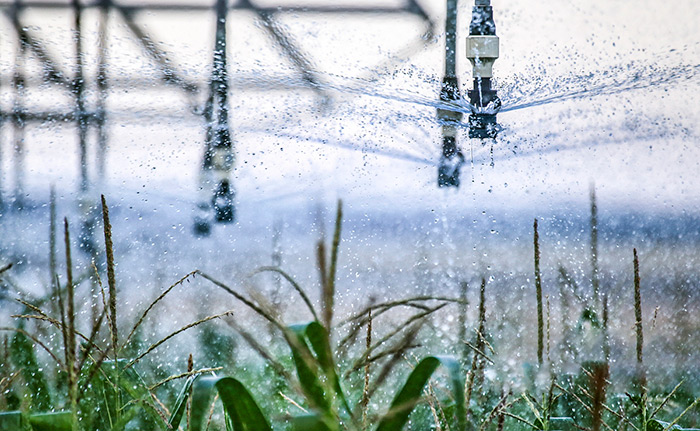
Irrigation System
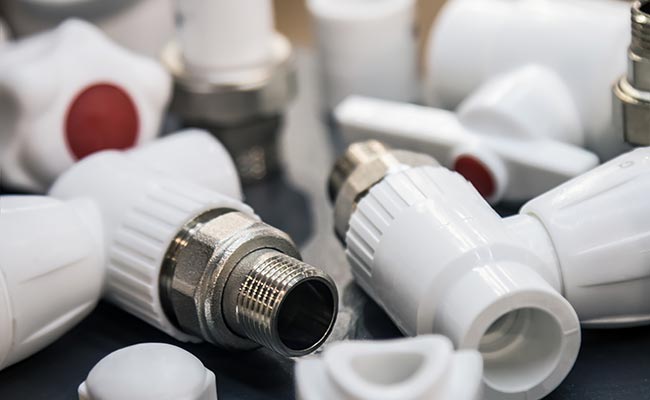
Water Supply System
