You know, as industrial automation keeps evolving, picking the right equipment really becomes a big deal for keeping things running smoothly. Looking ahead to 2025, understanding the details of different components—especially the PVC actuator valve—is more important than ever. Experts in the field, like Dr. John Thompson, a well-known guy in automation circles, often say, "Choosing the right PVC actuator valve can really make a difference in your efficiency and how much you end up spending." That pretty much sums up how crucial these valves are in fluid control systems.
When you’re making decisions, it’s smart to think about stuff like what materials will work best, the environment where the equipment will be used, and what your specific needs are. Doing this helps ensure your choices boost productivity and keep maintenance costs down. As industries keep demanding more reliable and efficient solutions, PVC actuator valves stand out as a pretty vital part that helps keep everything flowing smoothly across different sectors. In this guide, we’ll cover some key points and insights to help you pick what’s best for your situation—so your systems not only perform well now but are also ready for future tech upgrades.

Understanding PVC Actuator Valves: An Overview of Their Functionality
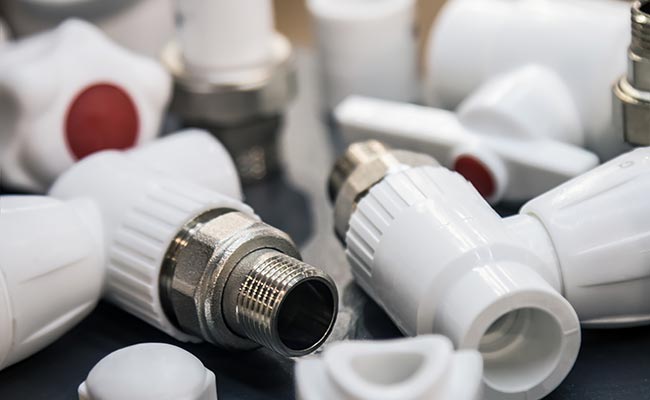
PVC actuator valves are essential components in various industrial applications, designed to control the flow of fluids with precision and efficiency. These valves utilize a Polyvinyl Chloride (PVC) body, which makes them resistant to corrosion and suitable for handling aggressive chemicals. The actuator, typically powered by either electricity or compressed air, automates the opening and closing of the valve, allowing for seamless operation and better control over fluid dynamics.
Understanding the functionality of PVC actuator valves involves recognizing how they integrate with system controls to provide responsive flow management. The actuator can be configured to operate in various modes, such as on/off or modulating, depending on the specific demands of the process. When coupled with sensors and a control system, these valves can effectively maintain desired flow rates and pressures, optimizing system performance and reducing waste. Additionally, their lightweight and durable construction makes them easy to install and maintain, further enhancing their appeal in both commercial and industrial settings.
Key Considerations for Selecting the Right PVC Actuator Valve
When selecting the right PVC actuator valve, several key considerations should be taken into account to ensure optimal performance. First, it is essential to evaluate the specifications of both the valve and the actuator. Understanding the pressure and temperature ratings, as well as the fluid compatibility, will help to determine if the components can function effectively within the designated system environment. Furthermore, consider the flow characteristics and the valve's closing and opening times, as these factors significantly influence the overall efficiency of the system.
Another important aspect is the actuator type and its control method. Options range from electric to pneumatic actuators, each having its advantages and suitability depending on the application. Assessing the power source, installation requirements, and maintenance needs will guide you in making an informed choice. Additionally, the size and configuration of the PVC actuator valve must match the piping system to prevent leaks and ensure seamless integration.
Lastly, consider the environment in which the valve will operate. Factors such as exposure to UV light, chemicals, and temperature variations can affect the longevity and performance of PVC materials. Selecting a valve designed to withstand specific environmental conditions will ensure sustainment and reliability over time, ultimately leading to successful system operation.
Assessing Performance Metrics for Optimal Valve Operation
When selecting a PVC actuator valve, evaluating performance metrics is crucial for ensuring optimal operation in various applications. Key performance indicators include flow rates, pressure ratings, and the response time of the actuator. Understanding flow characteristics allows users to determine how efficiently the valve can handle different media under varying conditions. This is essential for maintaining system balance and preventing unnecessary wear on equipment.
Another critical aspect is the ambient and operational conditions the valve will face. Temperature ranges, chemical compatibility, and environmental factors can significantly affect the valve’s performance. It’s vital to assess these parameters to avoid premature failure and ensure longevity. Additionally, considering the actuator's speed and precision can enhance system responsiveness, which is particularly important in processes where timing is essential. By carefully analyzing these performance metrics, users can make informed decisions that lead to improved efficiency and reliability in their operations.
Comparing Different Types of PVC Actuator Valves
When selecting a PVC actuator valve, understanding the different types available is essential for achieving optimal performance in various applications. PVC actuator valves can generally be classified into three main categories: pneumatic, electric, and hydraulic. According to a recent market analysis by the Global Industry Analysts, Inc., the demand for electric PVC actuators has surged by over 20% in the past few years, primarily due to their efficiency and ease of integration into automated systems.
Pneumatic PVC actuators are favored for their fast response times and reliability in environments with fluctuating temperatures or pressures. They leverage compressed air, making them ideal for applications that require quick actuation cycles. Conversely, electric actuators offer precise control and are often equipped with advanced features such as position feedback and remote operation capabilities. The same market report indicates that while pneumatic actuators dominate in heavy-duty industrial applications, electric valves are increasingly popular in sectors like water treatment and pharmaceuticals where precision is paramount.
Hydraulic PVC actuators are less common but can deliver superior force in applications requiring substantial torque. Their capability to handle high pressures makes them suitable for specialized operations in manufacturing processes. However, they also come with higher initial costs and maintenance requirements. An analysis by the Engineering Toolbox shows that while hydraulic systems are robust, they can become complex, necessitating significant investment in training and technical expertise. As stakeholders in various sectors weigh these differences, the importance of choosing the right type of PVC actuator valve cannot be understated for ensuring reliable and efficient system performance.
Installation Tips for Enhanced Valve Performance
Proper installation is crucial for maximizing the performance of PVC actuator valves. According to industry standards, over 70% of valve failures can be attributed to incorrect installation practices. To ensure optimal functionality, it is vital to follow meticulous installation procedures. One key recommendation is to verify compatibility between the actuator and valve components before proceeding. This includes checking for correct sizing and pressure ratings, as mismatches can lead to inefficiencies and premature failure.
Additionally, alignment during installation plays a significant role in valve performance. Misalignment can cause excessive wear and strain, ultimately affecting the valve’s lifespan. A study from the American Society of Mechanical Engineers (ASME) highlights that properly aligned valve assemblies can improve operational efficiency by as much as 15%. Utilizing tools such as alignment lasers or guides can help achieve the necessary precision. Furthermore, regular maintenance checks and adjustments after installation help sustain performance levels and can avoid costly downtime in industrial applications. By focusing on these installation tips, users can significantly enhance the longevity and reliability of PVC actuator valves in their systems.
2025 Top PVC Actuator Valve Buying Guide for Optimal Performance
| Feature |
Description |
Recommended Value |
| Material Quality |
Ensure the actuator valve is made from high-quality PVC to withstand pressure and corrosion. |
Schedule 80 PVC |
| Operating Pressure |
Check the maximum operating pressure of the valve to ensure it matches your application needs. |
150 psi |
| Temperature Range |
Select a valve that can operate effectively within the required temperature range. |
-40°F to 140°F |
| Actuation Type |
Determine the actuation type suitable for your setup, whether manual, electric, or pneumatic. |
Electric Actuator |
| Installation Ease |
Look for design features that facilitate quick and easy installation. |
Flanged Connections |
| Maintenance Requirements |
Choose a model that requires minimal maintenance to reduce long-term costs. |
Low Maintenance Design |
Maintenance Practices to Extend Valve Lifespan
Maintenance of PVC actuator valves is crucial for ensuring their longevity and optimal performance. Regular inspection should be a primary practice, where users should check for any signs of wear and tear, leaks, or unusual noises during operation. It is essential to clean the valves periodically to prevent buildup of materials that can hinder their functionality. A clean valve is less likely to experience failures, thus reducing downtime and repair costs.
In addition to routine inspections and cleaning, lubricating moving parts is vital for the smooth operation of PVC actuator valves. Use compatible lubricants that won’t react adversely with PVC materials. Furthermore, it's advisable to check electrical connections and actuator settings regularly to ensure they are functioning as intended. Implementing a documented maintenance schedule can help track the condition of the valves and predict when replacements or deep maintenance might be necessary, ultimately extending their service life and enhancing productivity.
Evaluating Cost Factors and Budget Options for PVC Actuator Valves
When considering the purchase of PVC actuator valves, evaluating cost factors is crucial for ensuring optimal performance while staying within budget. PVC actuator valves can vary significantly in price based on material quality, valve size, and the specifications required for your application. It is essential to analyze your specific needs, as this will guide you in selecting a valve that meets both functional requirements and financial constraints.
One of the key tips for managing your budget is to compare prices from multiple suppliers. Often, there can be a considerable difference in pricing for similar valves, so shopping around is advantageous. Furthermore, consider the long-term value of the actuator valve rather than just the initial purchase cost. Higher-quality valves, while potentially more costly upfront, may offer greater durability and efficiency, ultimately saving you money on repairs and replacements over time.
Additionally, think about the total cost of ownership, which includes installation, maintenance, and energy consumption. Investing in valves that are easier to install and maintain can reduce labor costs and downtime. Look for valves with features that enable efficient operation, as this can lower utility bills and provide long-term savings.
Leveraging PVC Compact Ball Valves: Industry Insights and Trends in Fluid Control Systems
The fluid control industry is continuously evolving, with innovations in valve technology playing a crucial role in improving efficiency and reliability across various applications. One significant advancement is the PVC compact ball valve, which has increasingly become a preferred choice for multiple sectors, including agriculture irrigation, mariculture, and engineering construction. These valves are designed to handle a wide range of media temperatures, making them versatile for different operational environments, from high to low temperature.
The lightweight yet durable construction of PVC compact ball valves ensures they can withstand extensive usage, often lasting over 500,000 cycles. This longevity is particularly advantageous in settings where maintenance may be challenging. Furthermore, the availability of various colors allows for easier identification and integration into existing systems, adding an aesthetic value alongside functional performance. As industries seek more reliable and efficient fluid control solutions, the adoption of PVC compact ball valves will likely continue to rise, driven by their robustness and versatility.
FAQS
: Proper installation is crucial because over 70% of valve failures are attributed to incorrect practices, impacting performance and lifespan.
It's important to verify compatibility, including correct sizing and pressure ratings, to avoid inefficiencies and premature failure.
Proper alignment minimizes excessive wear and strain, potentially improving operational efficiency by up to 15%.
Tools such as alignment lasers or guides can help ensure the necessary precision during installation.
Key practices include regular inspections for wear, cleaning to prevent material buildup, and lubricating moving parts.
Regular inspections should be conducted to identify signs of wear, leaks, or unusual noises during operation.
Compatible lubricants that do not react adversely with PVC materials should be used for lubricating moving parts.
Regular checks ensure that electrical connections and actuator settings are functioning correctly, which is essential for optimal operation.
A documented maintenance schedule helps track valve conditions and predict when replacements or deeper maintenance might be needed, extending service life.
Implementing regular maintenance checks and adjustments can help sustain performance levels and reduce downtime.
Conclusion
The article "2025 Top PVC Actuator Valve Buying Guide for Optimal Performance" provides a comprehensive overview for understanding PVC actuator valves and their essential functionalities. It emphasizes key considerations for selecting the right PVC actuator valve, including performance metrics that ensure optimal valve operation. Readers will find valuable comparisons of various types of PVC actuator valves, guiding them in making informed choices.
Additionally, the guide includes practical installation tips aimed at enhancing valve performance and outlines maintenance practices to extend the lifespan of PVC actuator valves. Cost factors and budget options are thoroughly evaluated, ensuring that users can find suitable solutions without compromising on quality. This guide serves as a crucial resource for anyone looking to invest in PVC actuator valves for their operational needs.