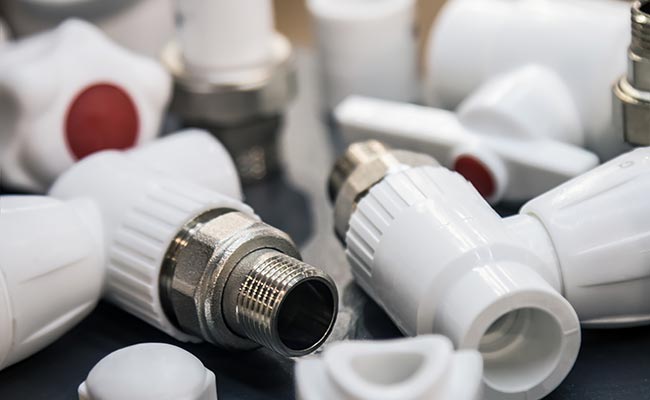
When you're dealing with plumbing and construction, it’s pretty important to get a sense of what influences the price of UPVC valves—whether you're just a homeowner or a seasoned pro. I mean, as James Thompson, who’s basically a whiz in plumbing tech and runs Perfect Flow Solutions, puts it: “The cost of UPVC valves can really vary a lot, depending on things like the quality of the materials, how they’re made, and what’s happening in the market right now.” That really highlights how complex the whole pricing thing is—tiny differences in specs can mean a big difference in your wallet.
There are a few key factors that actually determine the average price of UPVC valves. First off, the quality of the material is super important. Better-grade UPVC resins usually last longer and stand up better against weather and other environmental stuff, but that typically comes with a higher price tag. Then, you’ve got the manufacturing process itself—more advanced tech and skilled labor can really push up costs. And don’t forget, market conditions like supply chain hiccups and how many people want them can also shake things up and cause prices to fluctuate.
As the construction and plumbing worlds keep changing, it's really helpful to stay in the loop about what affects prices. With insights from folks like James Thompson, buyers and industry insiders can make smarter choices and avoid getting caught off guard when it comes to investing in UPVC valves. Being informed makes all the difference, for sure.

Definition and Overview of UPVC Valves
UPVC valves, or unplasticized polyvinyl chloride valves, are essential components widely used in various piping systems. These valves are known for their durability, corrosion resistance, and lightweight characteristics, making them ideal for applications in water supply, drainage systems, and chemicals. UPVC itself is a rigid polymer that does not contain plasticizers, which enhances its strength and makes it less prone to environmental stress. The design of UPVC valves allows for efficient flow control and regulation, providing reliability in both residential and industrial settings.
The versatility of UPVC valves stems from their broad range of sizes and designs, catering to different pressure and flow requirements. They can be found in gate, globe, and check valve configurations, among others, each serving specific purposes in fluid management. Additionally, the material’s resistance to various chemicals and UV rays contributes to its long lifespan, reducing the need for frequent replacements. This durability, coupled with ease of installation and maintenance, makes UPVC valves an economical choice in the long run. Overall, understanding the properties and functionalities of UPVC valves is crucial for selecting the appropriate type for any given application.
Typical Applications of UPVC Valves in Various Industries
UPVC valves are versatile components widely used across various industries due to their excellent chemical resistance and durability. In the chemical industry, these valves facilitate the handling of corrosive substances, ensuring safety and efficiency in production processes. They are also common in water treatment facilities, where they help control the flow of potable and wastewater, effectively contributing to environmental management. Additionally, the agricultural sector employs UPVC valves for irrigation systems, allowing for precise control over water distribution to crops, optimizing growth, and resource use.
Tips for selecting UPVC valves include considering the specific application requirements, such as temperature and pressure ratings. Ensure the valve design is compatible with the piping system to avoid leaks or inefficiencies. It's also essential to assess the chemical compatibility of UPVC with the substances it will handle to extend the service life and reliability of the valves.
Another important factor is maintenance; regular inspections and cleanings can prevent clogging and ensure proper function. For industries dealing with high flow rates, opting for larger valve sizes might facilitate better performance. Always consult with professionals for recommendations tailored to your industrial needs, as this can save costs and improve operational safety.
Average Price Range of UPVC Valves in the Market
The average price range of UPVC valves in the market typically varies based on several factors including size, type, and specific application. Generally, smaller valves suited for residential use can range from $10 to $30, while larger valves designed for industrial purposes can cost anywhere from $50 to $150 or even more. The complexity of the valve design also plays a significant role in pricing; more intricate mechanisms leading to higher functionality tend to have a premium price tag.
In addition to size and complexity, the market availability and supplier influence the pricing of UPVC valves. Prices can fluctuate based on regional demand, supply chain variables, and raw material costs. Special features such as corrosion resistance or enhanced durability may further affect the price. Consequently, potential buyers should consider not only the upfront cost but also the long-term performance and maintenance needs associated with specific UPVC valves when making their purchasing decisions.
Key Factors Influencing the Price of UPVC Valves
When examining the pricing of UPVC valves, several key factors play a significant role in determining their average cost. Firstly, the size and pressure rating of the valves are crucial. Larger valves designed for higher pressures typically come with a higher price tag due to the increased material costs and engineering requirements. Additionally, the complexity of the valve design can influence the price; more intricate designs necessitate advanced manufacturing processes, thereby raising production costs.
Another critical factor is the quality of materials used in the fabrication of UPVC valves. Valves constructed from high-grade UPVC resonate with durability and resistance to corrosive environments, which justifies a higher price. The market demand also affects pricing; as more industries adopt UPVC valves for their benefits over traditional materials, increased demand can lead to higher prices.
Tips for consumers looking to purchase UPVC valves include comparing quotes from multiple suppliers to ensure competitive pricing. Additionally, consider the long-term savings that high-quality valves can bring, as they may reduce the frequency of replacements and maintenance costs. It’s also advisable to inspect warranty and customer support offered by suppliers, as these can provide added value beyond just the upfront cost.
Average Price of UPVC Valves and Influencing Factors
This bar chart illustrates the average price of UPVC valves based on their sizes. As the size of the valve increases, the price tends to rise due to the material costs and manufacturing complexities involved.
Comparative Analysis: UPVC Valves vs. Other Valve Materials
When selecting valves for various applications, the choice between UPVC valves and those made from different materials such as metal or rubber can significantly impact performance and cost-effectiveness. UPVC valves are known for their corrosion resistance, lightweight nature, and durability, making them an attractive alternative to traditional metal valves. In many environments, particularly where moisture and chemicals are involved, UPVC valves outperform their counterparts by maintaining structural integrity and functionality over time.
On the other hand, while metal valves have their advantages, such as strength and high-temperature resistance, they often come at a higher cost and can be susceptible to rust and corrosion. Rubber valves, while flexible and effective in certain applications, may not offer the same longevity under harsh conditions compared to UPVC valves. It's essential to consider the specific conditions in which the valves will be used when making a selection.
**Tips:** When choosing the right valve material, always evaluate the environmental conditions, pressure requirements, and types of fluids being transported. Additionally, consider lifecycle costs rather than just the initial purchase price, as investing in durability can lead to savings in maintenance and replacement over time.
Tips for Purchasing UPVC Valves at Competitive Prices
When looking to purchase UPVC valves at competitive prices, it's essential to understand the market landscape and make informed decisions. First, consider sourcing these valves from established manufacturers or suppliers that specialize in plumbing and industrial hardware. Researching multiple suppliers can provide insights into local and online pricing, allowing you to compare costs and identify the best deals. Additionally, attending industry trade shows or expos can help you discover new vendors and engage directly to negotiate better prices.
Moreover, evaluating the quality of UPVC valves is crucial as it directly affects both pricing and performance. Cheaper options may seem attractive initially but could lead to higher maintenance and replacement costs in the long run. When purchasing, focus on the specifications and certifications of the valves, ensuring they meet necessary standards for your project.
Bulk buying can also yield significant discounts, so consider purchasing larger quantities if you have ongoing needs. Finally, staying informed about seasonal sales or promotional offers can provide opportunities to acquire UPVC valves at reduced prices, ultimately enhancing your purchasing strategy.
Future Trends Affecting UPVC Valve Pricing and Demand
The future trends affecting UPVC valve pricing and demand are largely driven by technological advancements and changes in regulatory standards. As industries continue to innovate, newer UPVC valve designs that enhance efficiency and durability are being developed. These advancements not only improve performance but also impact the overall cost of production, leading to potential price fluctuations. Additionally, as environmental regulations become more stringent, manufacturers may need to invest in compliance technologies, which can further influence pricing.
Another key factor is the increasing emphasis on sustainability and eco-friendly materials. As industries shift towards greener practices, the demand for UPVC valves remains strong due to their corrosion resistance and longevity. This shift could result in higher demand for high-quality UPVC valves, which may, in turn, affect market prices. Furthermore, fluctuations in raw material costs and supply chain dynamics, influenced by global events and trade policies, will also play a significant role in shaping the future pricing landscape for UPVC valves.
FAQS
: UPVC valves are used in the chemical industry for handling corrosive substances, in water treatment facilities for controlling potable and wastewater, and in agriculture for irrigation systems to optimize water distribution.
Consider the specific application requirements such as temperature and pressure ratings, ensure compatibility with your piping system, assess the chemical compatibility of UPVC with the substances it will handle, and consult professionals for tailored recommendations.
The average price varies; smaller residential valves can cost between $10 and $30, while larger industrial valves may range from $50 to $150 or more, depending on size, complexity, and specific application.
Key factors include size and pressure rating, design complexity, quality of materials used, and market demand. Larger, high-pressure valves and complex designs generally have higher costs.
Regular maintenance such as inspections and cleanings can prevent clogging and ensure optimal performance. It is also important to select appropriate valve sizes for high flow rates.
Yes, it’s essential to consider not just the upfront cost but also long-term performance and maintenance needs, as high-quality valves can reduce replacement frequency and maintenance expenses.
Ensuring chemical compatibility prolongs the service life and reliability of the valves, preventing failures and maintaining safety when handling various substances.
Prices can fluctuate based on regional demand, supply chain variables, and raw material costs, which means market availability significantly influences overall pricing.
Compare quotes from multiple suppliers, consider warranty and customer support options, and evaluate the long-term savings potential offered by higher-quality valves.
Conclusion
UPVC valves are essential components widely used across various industries due to their durability and resistance to corrosion. Understanding the average UPVC valves price is crucial for businesses and individuals looking to invest in these products. Typically, the price range can vary based on several factors, including valve size, design complexity, and market demand.
Several key factors influence the UPVC valves price, such as raw material costs, manufacturing processes, and regional market conditions. Additionally, a comparative analysis with other valve materials highlights the cost-effectiveness and advantages of UPVC valves. By considering these elements, purchasers can make informed decisions and find competitive pricing. Future trends, including technological advancements and changing environmental regulations, are also likely to impact both pricing and demand for UPVC valves, making it essential for buyers to stay informed about market developments.