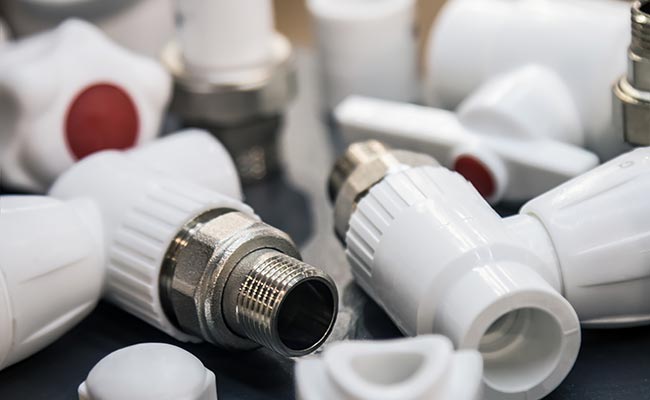
You know, in today's ever-evolving fluid management industry, having reliable control systems is more important than ever. I came across a report from Grand View Research that predicts the global valves market will hit around $119.5 billion by 2027. One component that's really making waves is the PVC Non-Return Valve. These little guys are lifesavers when it comes to preventing backflow—that's when fluids try to flow the wrong way—and that’s super important for safety and keeping systems running smoothly.

A lot of folks prefer PVC Non-Return Valves because they're lightweight and resist corrosion much better than traditional options. Plus, according to MarketsandMarkets, with more industries focusing on water treatment and wastewater management, the demand for dependable fluid control devices is booming. These valves, with their advanced design and tough materials, not only boost system reliability but also tend to last longer—meaning fewer headaches and lower maintenance bills in the long run.
Using PVC Non-Return Valves is pretty much a win-win if you’re looking to improve efficiency and promote sustainability — which, honestly, is a must for modern engineering. As more industries start seeing the benefits, I really think these valves are going to be a huge part of shaping how we control fluids in the future. They’re definitely helping industries keep up with the growing needs for both safety and efficiency.
Introduction to PVC Non Return Valves and Their Role in Fluid Control
PVC non-return valves play a crucial role in fluid control systems by preventing backflow and ensuring a consistent flow direction. These valves are designed to allow fluid to flow in one direction while automatically closing when the flow reverses. This feature is particularly vital in various applications, such as plumbing, irrigation, and industrial processes, where maintaining the integrity of the fluid system is essential. The non-return function helps protect pumps and equipment from potential damage caused by reverse flow, thereby enhancing system reliability.
Additionally, PVC non-return valves are lightweight, corrosion-resistant, and easy to install, making them an ideal choice for many fluid control applications. The material's durability ensures that the valves can withstand a range of chemicals and environmental conditions without deteriorating. Furthermore, their relatively low cost compared to metal valves makes them an economical solution for many projects. As such, incorporating PVC non-return valves into fluid control systems not only improves efficiency but also contributes to long-term system performance and maintenance savings.
Top 5 Benefits of Using PVC Non Return Valve for Efficient Fluid Control
The above bar chart illustrates the top five benefits of using PVC non return valves in fluid control, rated out of ten. This visual representation helps in understanding how significant each benefit is in terms of efficiency and practicality in various applications.
Understanding the Mechanism of PVC Non Return Valves
PVC non-return valves, also known as check valves, play a crucial role in fluid control systems by preventing backflow and ensuring a one-way flow of liquids. Their mechanism relies on a simple yet effective design that utilizes a flexible disc or ball that rests against a seat, opening only when the fluid flows in the intended direction. According to a report by Frost & Sullivan, check valves can reduce the risk of system failures by up to 25%, significantly enhancing operational efficiency in various industries, including water treatment and chemical processing.
When selecting a PVC non-return valve, it's essential to consider factors such as the maximum pressure rating and the type of fluid being conveyed. Regular maintenance and inspections can also prevent potential issues. Tip: Always verify that your selected valve matches the working conditions of your system, as mismatches can lead to leaks or system inefficiencies.
Moreover, using PVC non-return valves can lead to substantial cost savings over time. The durability of PVC materials, combined with their resistance to corrosion and chemical attack, means that these valves typically require less frequent replacement and maintenance. Tip: Consider incorporating line strainers in your system to filter out debris that might affect the performance of your PVC non-return valve, prolonging its lifespan and maintaining optimal efficiency.
Key Advantages of Using PVC Non Return Valves in Fluid Systems
PVC non-return valves play a crucial role in fluid systems, offering several advantages that enhance efficiency and reliability. One of the key benefits is their ability to prevent backflow, ensuring that fluids flow in one direction only. This characteristic is vital for maintaining system pressure and protecting equipment from damage caused by reverse flow. Additionally, PVC non-return valves are lightweight and easy to install, making them a preferred choice for various applications in plumbing and industrial systems.
At Ningbo Pntek Technology Co., Ltd., we understand the importance of high-quality components in fluid management. With over 10 years of exporting experience, we specialize in providing durable PVC non-return valves that meet the rigorous demands of fluid control systems. Our valves resist corrosion and chemical damage, which prolongs their lifespan and reduces maintenance costs. By incorporating our valves into your systems, you can achieve optimal performance while ensuring safety and efficiency in fluid transportation.
Durability and Corrosion Resistance of PVC Non Return Valves

PVC non-return valves are increasingly recognized for their remarkable durability and corrosion resistance, making them an invaluable asset in fluid control applications. Unlike traditional materials, PVC offers superior resistance to a wide range of chemicals and environmental factors. This ensures that the valves maintain their integrity over time, reducing the need for frequent replacements and minimizing maintenance costs for businesses. The lightweight nature of PVC also enhances ease of installation, making it a preferred choice for many industrial applications.
In addition to their robustness, PVC non-return valves provide efficient flow management, preventing backflow and ensuring that fluids move in one direction. This feature is crucial in various industries, from water supply systems to chemical processing, where the integrity of the fluid path is essential. As the PVC pipes and fittings market continues to grow, projected to reach USD 66.87 billion by 2030, the demand for durable and reliable non-return valves will only increase. This shift highlights the importance of selecting high-quality materials like PVC to optimize operational efficiency and protect infrastructure investments.
Improved Operational Efficiency with PVC Non Return Valves
PVC non-return valves have gained significant traction in fluid control applications, predominantly due to their ability to enhance operational efficiency. According to a report by Research and Markets, the global valve market is projected to reach $93.68 billion by 2025, with non-return valves being a key player in this growth due to their role in preventing backflow and ensuring the smooth, unidirectional flow of fluids. By incorporating PVC non-return valves, industries can significantly reduce the risk of contamination and fluid leakage, which often leads to extended downtimes and increased operational costs.
Furthermore, the versatility of PVC materials offers advantages such as lightweight properties and resistance to corrosive substances. A study by the American Society of Mechanical Engineers (ASME) indicates that using non-corrosive materials like PVC in valve design can lead to a 30% increase in lifespan compared to traditional materials, translating into tangible savings on maintenance and replacement costs. This operational efficiency is critical for sectors like wastewater management and chemical processing, where reliability and cost-effectiveness are paramount. By utilizing PVC non-return valves, businesses can streamline their fluid management systems, optimize resource utilization, and maintain a competitive edge in their respective industries.
Top 5 Benefits of Using PVC Non Return Valve for Efficient Fluid Control
| Benefit |
Description |
Impact on Operational Efficiency |
| Prevents Backflow |
Stops the reverse flow of liquids, safeguarding system integrity. |
Reduces downtime due to system failures. |
| Durability |
Made from resistant PVC materials ensure longevity and reliability. |
Lower maintenance costs and longer replacement intervals. |
| Corrosion Resistance |
Resistant to many chemicals and environmental factors. |
Ensures consistent performance in harsh conditions. |
| Lightweight |
Easier to install and handle compared to metal valves. |
Reduces labor costs during installation and maintenance. |
| Cost-Effective |
Lower upfront investment and operational costs. |
Improves budget management by minimizing expenses. |
Cost-Effectiveness of PVC Non Return Valves in Fluid Management
The PVC pipes and fittings market is witnessing significant growth, projected to reach USD 66.87 billion by 2030. Among the myriad of applications for PVC materials, the non-return valve stands out due to its cost-effectiveness in fluid management systems. These valves offer a reliable solution for preventing backflow, thereby ensuring that fluid systems operate efficiently without the need for complex machinery or additional components.
Adopting PVC non-return valves can lead to significant savings in both installation and maintenance costs. Unlike traditional metallic valves, PVC is lightweight and resistant to corrosion, translating into lower lifetime expenses and enhanced durability. Reports indicate that industries that switch to PVC solutions can reduce their overall operational costs by up to 20%, making it a practical choice for businesses looking to optimize their fluid control systems. As organizations increasingly prioritize cost-effective solutions, the demand for PVC non-return valves is expected to continue growing, reinforcing the value of this essential component in fluid management applications.
Common Applications of PVC Non Return Valves in Various Industries
PVC non-return valves are widely utilized across various industries due to their efficiency in fluid control and versatility. Common applications include wastewater treatment, irrigation systems, and manufacturing processes. In wastewater treatment plants, PVC non-return valves ensure that contaminated water does not flow backward into clean water systems, maintaining sanitary conditions. Similarly, in agricultural irrigation, these valves prevent backflow, ensuring that water is efficiently directed to crops without contamination.
In industrial settings, PVC non-return valves are essential for maintaining the integrity of fluid systems. They are commonly used in chemical processing, where their resistance to corrosive substances enhances safety and reliability. Additionally, these valves are found in home plumbing systems, helping to regulate water flow and prevent potential flooding.
Tips: When selecting PVC non-return valves for your application, consider factors such as pressure ratings and chemical compatibility. Regular maintenance of these valves will also ensure their longevity and efficient performance. Lastly, ensure to follow industry standards while installing these valves for optimal safety and functionality.
The Importance of Choosing the Right Check Valve: A Focus on Pntek Stainless Steel One Way Non Return Check Valve
When it comes to fluid management in various industries, selecting the right check valve is crucial. The Pntek Stainless Steel One Way Non Return Check Valve stands out as an essential component across multiple applications, including oil, gas, chemicals, and pharmaceuticals. Its design ensures that fluids flow in a single direction, effectively preventing backflow and protecting the integrity of the system. This is particularly important in sectors like food processing and municipal construction, where contamination or system failure can have significant consequences.
One of the key advantages of choosing Pntek’s check valve is the commitment to quality and timely delivery. With a typical delivery window of just 30-45 days post-deposit, customers can rely on fast service without compromising on performance. Pntek prides itself on being a professional factory capable of producing various products tailored to specific needs. Rapid responses within 24 hours further enhance customer satisfaction, ensuring that inquiries are addressed promptly. By focusing on quality assurance and long lifespan, Pntek establishes itself as a trusted partner in fluid control solutions.
FAQS
: PVC non-return valves are also known as check valves.
PVC non-return valves prevent backflow and ensure a one-way flow of liquids in fluid control systems.
When selecting a PVC non-return valve, it's essential to consider the maximum pressure rating and the type of fluid being conveyed.
According to Frost & Sullivan, check valves can reduce the risk of system failures by up to 25%, significantly enhancing operational efficiency in various industries.
Regular maintenance and inspections can prevent potential issues with PVC non-return valves.
PVC provides remarkable durability, corrosion resistance, and is lightweight, which enhances ease of installation and reduces maintenance costs.
Using PVC non-return valves can lead to significant savings over time due to their durability and reduced need for frequent replacements and maintenance.
The projected growth of the PVC pipes and fittings market emphasizes the need for durable and reliable non-return valves, as their demand is expected to increase with the growth of this market.
Incorporating line strainers in your system can help filter out debris, prolonging the lifespan of PVC non-return valves and maintaining optimal efficiency.
Industries that switch to PVC solutions can reduce their overall operational costs by up to 20%.
Conclusion
PVC non return valves play a crucial role in fluid control systems by preventing backflow and ensuring efficient water management. Understanding their mechanism reveals how these valves operate—utilizing a simple yet effective design that minimizes the risk of reverse flow. The key advantages of using PVC non return valves include their durability, corrosion resistance, and ability to enhance operational efficiency, making them indispensable in various industrial applications.
Ningbo Pntek Technology Co., Ltd., with over a decade of exporting experience, ensures that these high-quality PVC non return valves meet the demands of fluid management while being cost-effective. Their application spans across multiple industries, illustrating the versatility and reliability of PVC non return valves in modern fluid control systems.