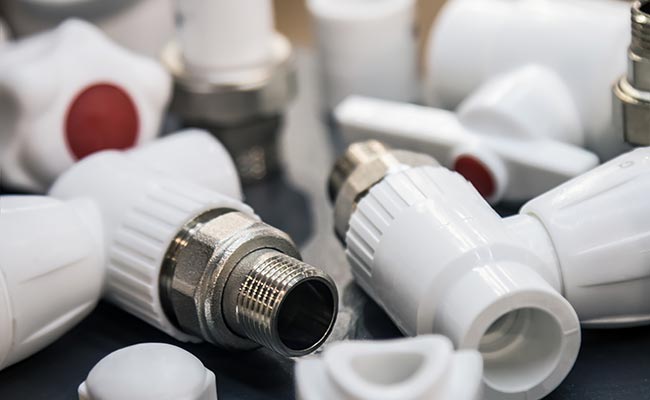
When you're working on construction or plumbing projects these days, picking the right parts really matters. Take the PVC Non-Return Valve, for example—it's a small component, but it packs a punch when it comes to stopping backflow. That way, your systems stay protected from damage, and water keeps flowing the way it should.
A lot of folks in the industry tend to overlook just how useful these valves can be. The good news? They're lightweight, tough as nails, and resist rust and corrosion. That's why they’re so versatile for different kinds of setups. Going with PVC instead of metal often saves you some cash and makes installation a whole lot simpler. Plus, maintenance? A breeze! When you compare materials, PVC really stands out with its long-lasting qualities.
That said, not all PVC Non-Return Valves are the same. Sometimes you’ll run into quality issues, so it’s super important to pick a reputable supplier. Companies like FlowGuard are known for offering solid, reliable products worth considering. Doing a little research upfront can really pay off in the end, leading to better results for your project. Taking your time to weigh your options might just make a big difference in how everything turns out.

Understanding PVC Non Return Valves and Their Functionality
PVC non-return valves are crucial in various applications. They prevent backflow, ensuring a consistent flow direction. These valves are widely used in irrigation, drainage, and water supply systems.
According to industry reports, the global non-return valve market is projected to grow at a CAGR of 5.3% over the next five years. PVC non-return valves offer advantages such as corrosion resistance and lightweight features. These properties make them ideal for both industrial and residential projects.
One noticeable downside is their sensitivity to high temperatures. This can lead to deformation and failure in extreme conditions. Users must consider the environmental factors when selecting these valves. Furthermore, proper installation is essential to avoid potential leaks. Misalignment during installation can significantly impact functionality. Ultimately, understanding the limitations and capabilities of PVC non-return valves helps in making informed decisions for your projects.
Importance of Preventing Backflow in Fluid Systems
Backflow is a critical issue in fluid systems. It can lead to contamination and equipment damage. According to a report by the Water Quality Association, backflow contamination can affect up to 30% of water systems in urban areas. This highlights the need for solutions that effectively prevent this problem.
PVC non-return valves play a significant role in maintaining system integrity. They act as a barrier, stopping reverse flow of fluids. The failure of these valves can be costly, both in repairs and potential health impacts. Research indicates that correctly installed non-return valves reduce maintenance costs by 20-30%. This provides a compelling reason to incorporate them into projects.
Preventing backflow not only protects systems but also ensures safety. In fluid systems, even minor reversals can compromise the entire operation. Misjudgments in valve selection can lead to failures. Understanding system requirements can help avoid these pitfalls. Incorporating PVC non-return valves is a proactive step in preventing significant backflow issues.
Top 10 Benefits of PVC Non Return Valves for Your Projects
| Benefit |
Description |
| 1. Prevent Backflow |
Ensures that fluid flows in one direction, preventing backflow and contamination. |
| 2. Durability |
Made from PVC, these valves offer high resistance to corrosion and wear. |
| 3. Cost-Effectiveness |
Affordable compared to metal counterparts, making them ideal for budget-conscious projects. |
| 4. Lightweight |
Easier to handle and install due to their lightweight characteristics. |
| 5. Easy Installation |
Designed for quick and straightforward installation without specialized tools. |
| 6. Low Maintenance |
Requires minimal maintenance, saving time and resources in long-term usage. |
| 7. Versatile Applications |
Suitable for various fluid systems including water, chemicals, and sewage. |
| 8. Enhanced Flow Efficiency |
Optimizes fluid flow, reducing energy consumption in pumping systems. |
| 9. Temperature Resistance |
Capable of withstanding a range of temperatures, enhancing flexibility in applications. |
| 10. Eco-Friendly |
Made from recyclable materials, contributing to sustainable project practices. |
Key Advantages of Using PVC Non Return Valves in Projects
PVC non-return valves offer several advantages for various projects. These valves help prevent backflow in plumbing and drainage systems. They are lightweight and easy to install, making them a popular choice in both residential and commercial applications. Using PVC reduces the risk of leaks, which is crucial for maintaining system integrity.
One important tip is to choose the right size for your project. If the valve is too small, it may not function properly. Conversely, an oversized valve can lead to inefficient flow. Consider the specific needs of your system when selecting a valve.
Another benefit is durability. PVC valves resist corrosion and chemical damage. They can withstand harsh elements, extending the life of your installations. However, some may note that extreme temperatures can affect PVC performance. Always evaluate your environmental conditions.
Finally, the cost-effectiveness of PVC non-return valves cannot be overlooked. They are generally more affordable than metal options. Yet, while they offer many benefits, proper maintenance is still required to ensure functionality. Regular checks can prevent potential failures.
Durability and Cost-Effectiveness of PVC Materials
PVC materials have become a go-to choice for non-return valves in various projects. Their durability stands out in harsh environments. According to industry reports, PVC can withstand temperatures ranging from -15°C to 60°C without significant degradation. This versatility makes PVC ideal for both residential and industrial applications.
Cost-effectiveness is another crucial advantage. PVC is often 30-50% cheaper than metal alternatives. This price point allows developers to allocate budgets more efficiently. As a result, more projects can benefit from high-quality materials without overspending.
Tip: When selecting materials, consider the long-term savings. Cheaper upfront costs do not always equate to overall savings.
Yet, PVC may come with downsides. It can be less effective in high-pressure scenarios. Relying solely on PVC in such conditions might lead to failures. It's essential to assess project needs carefully.
Tip: Regular maintenance checks can help identify potential weaknesses in your system. This proactive approach extends the lifespan of PVC components.
Installation Process and Best Practices for PVC Non Return Valves
When installing PVC non-return valves, it's important to ensure the right fittings and tools are used. Measure the pipe size precisely. Choosing the correct valve size is crucial for optimal flow. Use a pipe cutter for clean cuts. This helps avoid leaks. A saw may leave rough edges that cause issues later.
Before installation, clean the ends of the pipes. Use a cloth to remove dust or debris. This small step can prevent significant problems. When fitting the valve, align it properly. Too much force can damage the valve. Hand-tighten connections before using any tools. This can lead to a smoother seal.
After installation, test the valve by running water through the system. Look for leaks. If you see one, you might need to adjust the fittings. Relying solely on initial pressure tests can be misleading. Regular checks are essential. They help catch any issues early and ensure longevity.
Maintenance Tips for Optimal Performance of Non Return Valves
Non-return valves are crucial for many projects. Maintenance is key for their optimal performance. Regularly inspecting these valves can prevent major issues. Check for signs of wear and tear. Look for leaks or unusual noises. These are warning signs that can't be ignored.
Cleaning is an essential step. Dirt buildup can hinder performance. Use a soft cloth and non-abrasive cleaner. Ensure all parts are free from debris. Lubrication is also important. Apply suitable lubricant to moving parts to ensure smooth operation.
Consider the environment where the valve is placed. Exposure to harsh elements can cause damage. Regular assessments are necessary to maintain efficiency. Remember, neglecting minor issues can lead to costly repairs. Keep a consistent maintenance schedule to prolong the valve's lifespan. The goal is to catch problems before they escalate.
Common Applications and Use Cases for PVC Non Return Valves
PVC non-return valves are vital components in many industrial applications. They prevent backflow and ensure the smooth flow of fluids in pipelines. These valves are commonly used in water treatment plants and residential plumbing systems. Their lightweight nature and resistance to corrosion make them ideal for various environments.
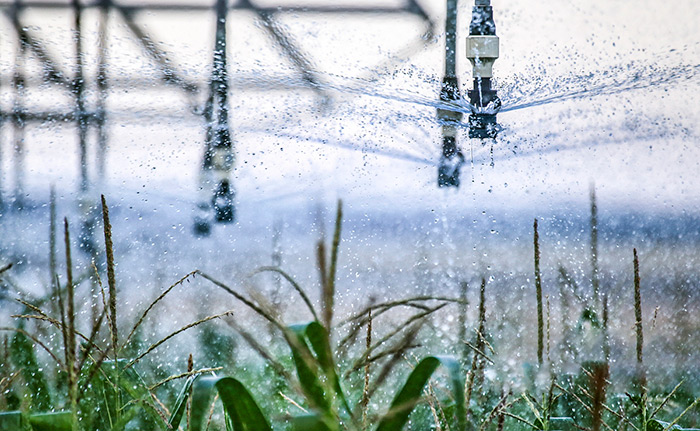
In agriculture, PVC non-return valves are critical for irrigation systems. They help maintain water pressure and protect pumps from damage. A report by the American Society of Agricultural and Biological Engineers highlights that using these valves can improve system efficiency by up to 25%. In industrial settings, they help minimize fluid wastage, with some studies suggesting potential cost savings of 15-20% on fluid expenditures.
Despite their advantages, there are some challenges to consider. Improper installation can lead to leakage issues. Regular maintenance is necessary to ensure optimal performance, yet it is often overlooked. This oversight can result in reduced efficiency and increased costs. Utilizing PVC non-return valves effectively requires careful planning and regular evaluation of system performance.
FAQS
: The product aims to enhance daily living experiences. It focuses on improving convenience and quality of life.
Anyone looking to simplify tasks may find it helpful. It's particularly useful for busy individuals.
There are no strict age limits. However, younger users may need guidance from adults.
Regular cleaning is essential. Follow the care guidelines for optimal performance and longevity.
Users may face occasional issues. It's important to review instructions and troubleshoot as needed.
Most products come with a limited warranty. Details can vary, so check specific terms.
Versatility is a key feature. However, specific conditions may limit optimal performance.
Yes, it's crucial to follow safety instructions. Misuse can lead to unexpected results or damage.
Lifespan varies based on usage. Regular care can extend its functionality and effectiveness.
Reach out for support through available channels. Community forums may also provide valuable insights.
Conclusion
PVC Non Return Valves are essential components in fluid systems, designed to prevent backflow and ensure efficient fluid management. Their functionality is crucial for maintaining pressure and protecting equipment from potential damage. One of the key advantages of using PVC Non Return Valves in projects is their durability and cost-effectiveness, making them suitable for a wide range of applications.
The installation process for these valves is straightforward, but following best practices is important for optimal performance. Regular maintenance is also crucial to ensure the longevity of the valves. Common applications include plumbing, drainage systems, and industrial uses, highlighting their versatility. Overall, incorporating PVC Non Return Valves in your projects can greatly enhance system reliability and efficiency.