In today's fast-paced manufacturing environment, choosing the right equipment is crucial. The Upvc Ball Valve Machine has emerged as a preferred choice for many valve manufacturers. According to a recent report by the Global Market Insights, the demand for UPVC valves is expected to grow by 4% annually over the next five years.
This growth reflects the increasing need for durable and corrosion-resistant materials in various industries. The Upvc Ball Valve Machine offers efficiency and precision in production, reducing waste and enhancing product quality. However, some manufacturers still face challenges in adapting to this technology.
Investing in an Upvc Ball Valve Machine is not just about immediate gains. It's also about long-term reliability and performance. Companies like Valves R Us have noted a 20% increase in production efficiency after upgrading to advanced machinery. It's essential for manufacturers to evaluate their specific needs to fully leverage the benefits of the Upvc Ball Valve Machine.
UPVC ball valves have gained popularity in various industries due to their numerous advantages over traditional materials. One key benefit is their resistance to corrosion. According to industry reports, corrosion costs the U.S. economy about $276 billion annually. UPVC materials do not rust, providing a longer lifespan and reducing maintenance costs. As a result, using UPVC ensures reliable operation in harsh conditions.
Another significant advantage of UPVC ball valves is their lightweight property. They are easy to install and handle compared to metal valves. This ease of installation can reduce labor costs significantly. A recent study indicated that switching to UPVC valves reduced installation times by up to 30%. The lower weight also facilitates easier transportation.
Tips: Always assess the specific needs of your project. Consider the fluid type and operating conditions. While UPVC valves are great for many applications, some scenarios might still require traditional materials. It's essential to reflect on these choices. Take time to optimize your valve selection for both efficiency and safety.
The production of UPVC ball valves involves several critical processes that shape their functionality. This material is favored for its resistance to corrosion and wear, making it ideal for various applications. The manufacturing process begins with raw material preparation, where UPVC resin is carefully selected for compatibility and performance. Research shows that around 30% of facility downtime stems from material failure, highlighting the significance of quality control in this initial step.
Next, the extrusion process creates the valve body. During this phase, temperature and pressure must be precisely managed. A minor variation can lead to defects, resulting in product recalls. Statistics indicate that approximately 15% of manufactured valves do not meet industry standards due to these discrepancies. Proper training of operators plays a pivotal role in minimizing such issues in production.
Molding is another crucial manufacturing step. The valve's ball is often produced using injection molding techniques. This method requires accurate cavity design. Flawed molds can be expensive. It might lead to excessive scrap rates. Recent reports note that around 20% of production waste in valve manufacturing can be traced back to mold imperfections. Continuous improvement in mold design remains necessary for cost reduction and efficiency enhancement.
When considering UPVC ball valves, pressure ratings and flow rates play crucial roles. UPVC valves generally have impressive pressure ratings, often ranging up to 16 bar or higher. This makes them suitable for various applications, including water treatment and chemical processes. Their design ensures minimal flow resistance, promoting efficient fluid transportation.
Flow rates in UPVC valves are essential to understand. A properly sized valve can enhance system performance. Depending on the diameter and design, flow rates can vary significantly. Sometimes, users may face challenges if the valve size doesn’t match the system's needs. Unintended pressure drops may occur, affecting overall efficiency. It is important to carefully analyze the application requirements to avoid such pitfalls.
While UPVC valves offer many advantages, they are not without drawbacks. Chemical compatibility must be assessed before selection. Some aggressive fluids may cause damage over time. Users should also monitor for wear and tear in high-pressure scenarios. Addressing these issues upfront is wise to ensure long-term performance and reliability.
When considering valve materials, durability is key. UPVC materials excel in resisting corrosion and chemicals. This resistance is crucial in various applications, from water supply to chemical processing. UPVC does not corrode like metal, which means fewer replacements and repairs are needed. This can save time and costs, allowing for more efficient operations.
The longevity of UPVC valves is noteworthy. They remain intact even in harsh environments. For instance, in a chemical plant, UPVC can withstand aggressive substances without degrading. The surface remains smooth, ensuring no leaks develop over time. This reliability makes UPVC a preferred choice for many industries.
Yet, it’s important to remember that no material is indestructible. UPVC can become brittle over time when exposed to extreme UV light. This could lead to failures if not monitored. Ongoing maintenance and assessments are necessary to ensure optimal performance. Regular checks help identify potential issues early, ensuring the system operates at peak efficiency.
When considering valve solutions, UPVC ball valves stand out for their cost efficiency. These valves offer a good balance between price and performance. Made from durable materials, they resist corrosion effectively. This longevity translates into lower maintenance costs over time.
Tips: Regular inspections on UPVC valves can prevent unexpected failures. Check seals and fittings to ensure they function properly.
The initial investment in UPVC ball valves might seem high. Yet, their energy efficiency can yield long-term savings. They can operate effectively under various conditions. This adaptability makes them a favorite in many industries.
Tips: Always consider the unique needs of your application. Improper sizing can lead to inefficiencies. Understanding your system can lead to better choices.
UPVC ball valves have gained significant traction across various industries due to their durability and cost-effectiveness. The water treatment industry is one of the most prominent users. According to a report from the Water Research Foundation, approximately 65% of water utilities now utilize UPVC valves in their systems. This shift helps reduce corrosion issues and extends the lifespan of critical infrastructure.
In the chemical processing sector, UPVC ball valves are essential for handling aggressive fluids. A study from the American Institute of Chemical Engineers reveals that 70% of chemical plants use UPVC components to ensure safety and efficiency. However, some plants still face challenges related to valve performance under extreme conditions. It’s crucial to conduct regular assessments to mitigate potential risks.
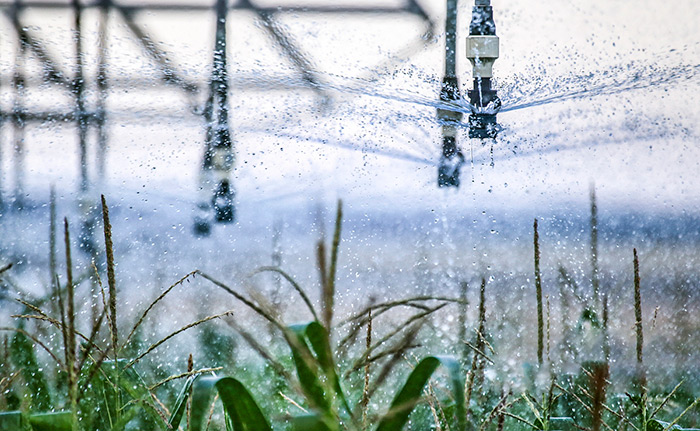
UPVC ball valves are also popular in irrigation systems. Their lightweight nature simplifies installation, making them a favored choice among farmers. Yet, reports indicate that improper installation can lead to system failures. This highlights the need for skillful handling and regular maintenance. Effective training programs for technicians can significantly improve outcomes in these applications.
The UPVC valve technology is rapidly evolving. Innovations are driving sustainability in valve manufacturing. According to a recent industry report, the global UPVC market is expected to reach $6 billion by 2025. This growth reflects a rising demand for eco-friendly solutions. More manufacturers are focusing on using recyclable materials. This shift leads to lower environmental impact.
Manufacturers are adopting advanced technologies like 3D printing. This allows for faster production and reduced waste. A study by the International Association of Plastics Engineers shows that 40% of plastics can be recycled efficiently. Yet, challenges remain. Not all manufacturers prioritize environmental practices. There are concerns about the reliability of recycled materials.
Sustainability in UPVC valve technology presents both opportunities and pitfalls. While innovations are promising, ensuring product quality remains critical. A recent survey indicated that about 30% of consumers worry about the durability of eco-friendly products. Balancing sustainability and performance is key. The future depends on how well manufacturers address these concerns. How will they innovate while maintaining quality and efficiency?
| Dimension | Value |
|---|---|
| Material Type | UPVC |
| Operating Pressure | Up to 10 bar |
| Temperature Range | -10°C to 60°C |
| Applications | Water Supply, Chemical Industry |
| Sustainability Features | Recyclable, Reduced Energy Consumption in Production |
| Market Growth | 7.5% CAGR (2023-2028) |
| Maintenance Requirements | Low Maintenance, Easy to Clean |
| Innovative Features | Smart Valve Technology, Remote Monitoring Capabilities |
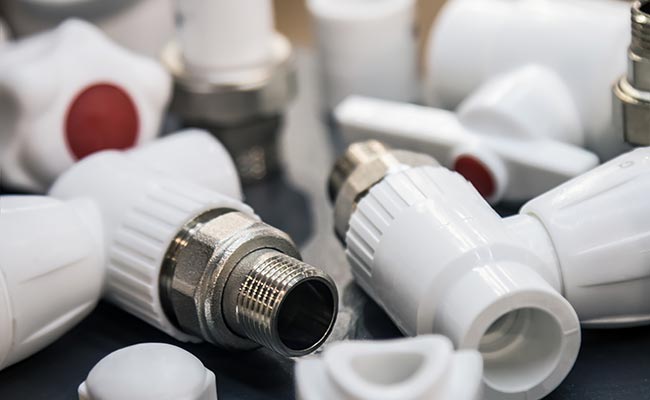
When selecting the right valve for your plumbing or industrial applications, the 1-inch PVC Mf ball valve stands out due to its durability and versatility. Made from high-quality PVC, this valve is designed to withstand a range of pressures while providing reliable performance. The use of PVC not only ensures resistance to corrosion and various chemicals but also offers a lightweight solution that can simplify installation and maintenance.
The features of the 1-inch PVC Mf ball valve include a smooth operation mechanism that allows for quick opening and closing, making it an ideal choice for applications requiring efficient flow control. Available in multiple pipe sizes from 3/4 inch to 4 inches, it caters to various flow needs across different setups. This valve type effectively seals when closed, preventing leaks and ensuring that systems remain tightly closed when needed. With a minimum order of just one piece at an affordable price, investing in this valve is both cost-effective and practical for any project.
In terms of applications, the 1-inch PVC Mf ball valve is suitable for use in irrigation systems, water treatment facilities, and various home plumbing setups. Its robust design and reliable performance make it adaptable to both residential and commercial environments, ensuring that users can maintain optimal fluid control across different settings. Whether you are looking to upgrade your existing valve system or starting a new installation, this PVC ball valve is an excellent choice worth considering.
: The process aims to improve efficiency and enhance user experience.
It usually takes a few days. Delays can occur due to unexpected issues.
You will need identification and relevant support materials. Ensure these are complete.
Yes, prior experience is not required. However, willingness to learn is essential.
Some aspects may incur fees. It’s important to clarify before you begin.
Reach out for help immediately. Problems can often be resolved quickly.
Yes, support is provided post-completion. Feel free to ask questions anytime.
Decisions depend on various factors. Input from all parties is taken into account.
Lack of communication or unclear expectations can cause frustration.
Yes, feedback is encouraged throughout. This helps improve the experience for everyone.
The article "Why Choose Upvc Ball Valve Machine for Your Valve Needs?" explores the numerous advantages of using UPVC ball valves compared to traditional materials. It highlights key manufacturing processes involved in producing UPVC ball valves, emphasizing their superior performance metrics such as pressure ratings and flow rates. Notably, UPVC's resistance to corrosion and chemicals contributes to its durability and longevity, making it a reliable choice for various applications across multiple industries.
Additionally, the analysis of cost efficiency reveals that investing in UPVC ball valves can lead to significant long-term savings. The piece also discusses future trends in UPVC valve technology, focusing on innovations aimed at enhancing sustainability. Overall, the Upvc Ball Valve Machine is positioned as an essential asset for manufacturers looking to meet modern valve requirements efficiently and effectively.