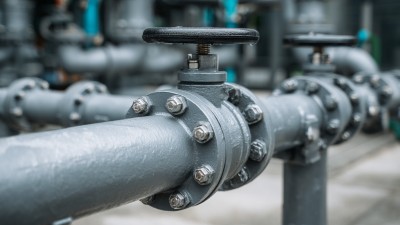
So, when you’re kicking off your next project, picking the right materials really matters. PVC gate valves, for example, are a pretty popular choice in different setups. They’re known for being durable and easy to work with, which is a big plus. Lots of professionals stick with PVC gate valves because they trust their reliability.
One of the coolest things about these valves is how well they resist corrosion. Plus, they’re lighter than metal versions, so handling them isn’t a hassle. That said, it’s easy to overlook their limitations — you should really think about those before jumping in. It’s super important to understand what your project actually needs.
When it comes down to it, quality is everything. Reputable brands like Apex Valve Solutions offer solid options that you can count on. Their expertise helps you get the best quality products. Picking the right valve can really boost your project’s efficiency, so take your time to consider your specific needs and the perks of PVC gate valves.
PVC gate valves are increasingly popular in industrial applications. Their lightweight nature makes them easy to handle and install. These valves resist corrosion, ensuring a longer lifespan in harsh environments. When dealing with water, chemicals, or slurries, PVC valves provide reliable sealing abilities. Users appreciate the durability offered by these valves under pressure.
One key benefit of PVC gate valves is their affordability. Compared to metals, PVC is often more cost-effective. This can lead to significant savings on projects with tight budgets. However, it is essential to consider the specific chemical compatibility. Some chemicals can degrade PVC over time. Evaluating the application is crucial.
Tip: Always check the specifications for the chemicals involved. Ensure the valve chosen can handle the specific environment. Regular maintenance can further enhance performance. While PVC valves offer many advantages, improper installation can lead to leaks. Double-checking connections can prevent future issues.
PVC gate valves are increasingly popular in various projects due to their impressive durability and corrosion resistance. Unlike metal valves, PVC does not corrode over time. This property makes it an ideal choice for environments that involve water, chemicals, or other corrosive substances. When choosing materials, the importance of long-lasting components cannot be overlooked.
Consider the typical life span of PVC gate valves compared to traditional options. While metal valves may rust or suffer from pitting, PVC maintains its integrity under harsh conditions. This reduces the need for frequent replacements, which can lead to significant savings. However, some may worry about the durability of PVC under high-pressure situations. While PVC can handle moderate pressures, certain applications might still benefit from a more robust material.
It's essential to evaluate the specific requirements of your project. PVC valves work well in residential plumbing and irrigation systems. However, industrial applications might require a different approach. Still, it’s vital to weigh the pros and cons. The choice of valve ultimately depends on the environment it will be exposed to and the expected pressure conditions. Understanding these factors can guide better decision-making.
PVC gate valves are gaining popularity in various projects due to their cost-effectiveness. These valves are lightweight and easy to install, reducing labor costs. They offer excellent resistance to corrosion, making them ideal for harsh environments. This durability means lower maintenance costs over time. Without proper maintenance, issues can arise from wear and tear, but overall, PVC gate valves typically require less upkeep compared to metal counterparts.
Their price point is attractive for both small and large projects. Choosing PVC valves can lead to significant savings, allowing for more budget allocation towards other essential areas. However, some may question their long-term performance. While they excel in many situations, improper use might lead to failures in high-pressure applications. It’s crucial to assess your specific project needs when making a decision.
PVC gate valves also provide efficient flow control, which can enhance overall system performance. Project managers must weigh the benefits against potential drawbacks like temperature limitations. By understanding both aspects, you can make a more informed choice. The savings from using PVC can empower teams to focus on innovation and quality in other project areas.
PVC gate valves are increasingly favored for various projects due to their user-friendly installation and maintenance. These valves typically weigh less than metal options, making them easier to handle and fit into plumbing systems. In many cases, no special tools are needed for installation. A simple wrench is often enough to secure them.
Maintenance is also a breeze with PVC gate valves. Regular inspections can help detect issues early, ensuring longevity. Cleaning is quick, as the smooth surface of PVC reduces buildup. However, users should be aware that extreme temperatures may affect performance. Some may find it necessary to replace these valves sooner than anticipated, especially in harsh environments.
Project managers often report satisfaction with PVC gate valves, citing their ability to perform reliably over time. Yet, understanding the limitations of these valves is crucial. Proper material selection based on project needs can prevent future problems.
When considering valves for a project, PVC gate valves stand out for several reasons. Their lightweight and corrosion-resistant properties make them suitable for various applications. Unlike metal valves, they won't rust, reducing maintenance costs over time. They are especially effective in chemical handling systems, where corrosive substances are common. PVC gate valves also offer a good seal when fully opened or closed, minimizing leaks.
However, when compared to other valve types, PVC gate valves have limitations. They cannot handle high temperatures like some metal counterparts. Also, their strength may be inferior when subjected to pressure extremes. It’s important to evaluate the specific needs of your project. Choosing the right valve means balancing the material's durability and the environmental conditions it will face.
While PVC gate valves are reliable, experts advise careful consideration based on project requirements. If temperatures and pressures remain moderate, they can be a great choice. However, in settings requiring high strength and durability, metal valves might be more appropriate. Reflecting on these factors will lead to better decisions for your project.
PVC gate valves are increasingly recognized for their environmental benefits in construction projects. Their lightweight design translates to lower transport emissions. This can greatly reduce the carbon footprint of a project. Additionally, PVC is resistant to corrosion, which means less frequent replacements and repairs. This longevity contributes to sustainability by minimizing waste.
However, not all aspects of PVC are perfect. While PVC itself is recyclable, the production process can involve harmful chemicals. Projects must ensure proper disposal to mitigate environmental harm. Some concerns about plastic waste remain valid. Though PVC gate valves might simplify maintenance and reduce long-term waste, they should be used judiciously. Each project team needs to evaluate the trade-offs involved in material choice.
It's vital to weigh these factors carefully. Collaborating with environmental professionals can enhance decision-making. They can provide insights into the life cycle impacts of materials. As the industry moves towards greener solutions, understanding the complete narrative of PVC gate valves is crucial for responsible project planning.
| Dimension | PVC Gate Valve | Alternative Materials | Environmental Impact |
|---|---|---|---|
| Durability | Excellent resistance to corrosion | Moderate lifespan, prone to rust | Lesser environmental degradation |
| Weight | Lightweight and easy to handle | Heavier, requires more labor for installation | Higher carbon footprint during transport |
| Maintenance | Low maintenance required | Regular maintenance needed | Increased disposal costs at end of life |
| Cost | Cost-effective option | Higher initial cost | Potential for long-term savings |
| Recyclability | Highly recyclable | Limited recyclability | More waste generation |
PVC gate valves are increasingly popular in various industries due to their unique advantages. In the water treatment sector, they are commonly used for controlling flow. According to research, PVC valves can withstand pressures up to 150 psi, making them effective in high-demand applications. Their corrosion resistance further extends their lifespan, significantly reducing maintenance costs.
In agricultural applications, PVC gate valves provide reliable service in irrigation systems. Their lightweight nature simplifies installation and operation. A recent report indicated that the use of PVC valves in agriculture can enhance water conservation efforts by 20%. Farmers appreciate the easy handling and durability, especially in varied climates.
Tip: When selecting a PVC gate valve, consider the specific requirements of your project. Assess the pressure and temperature ratings carefully. Ensure the fittings match your existing systems.
While PVC gate valves have many benefits, they are not always suitable for extreme temperatures. High heat can lead to warping or failure. It's crucial to evaluate environmental conditions before installation. Understanding the limitations of your materials can prevent costly mistakes.
The PVC gate valve market has been steadily expanding, driven by its applications across various industrial sectors. The components of these valves are crucial to their functionality and performance, and they are made from a variety of materials to meet diverse operational needs. For instance, the valve gate itself is typically composed of PP and 1Cr13, providing resilience and corrosion resistance. The body, cap, and bushing are manufactured from UPVC, a material known for its strength and durability in fluid control applications.
In addition to the main valve components, the use of different materials for the seats and seals further enhances the valve's reliability. EPDM and NBR are commonly used for the seat and O-ring, offering excellent resistance to wear and thermal degradation. The incorporation of materials such as ABS and ZL106 in the handle ensures a sturdy and ergonomic user experience. As the demand for reliable and efficient valve solutions grows, the PVC gate valve market is poised for continued innovation, focusing on material advancements and design improvements that meet the evolving needs of industries worldwide.
: They are lightweight, easy to install, and cost-effective, reducing labor costs significantly.
They offer excellent corrosion resistance, which enhances their durability and reduces maintenance costs over time.
Yes, they can withstand pressures up to 150 psi, but improper use can lead to failures in such settings.
They can enhance water conservation efforts by 20%, making them reliable in agricultural applications.
Assess the pressure and temperature ratings carefully, ensuring fittings match existing systems.
Yes, they may not perform well under extreme temperatures, as high heat can cause warping.
Their lower price can lead to significant savings, allowing for budget allocation to other project areas.
They typically require less upkeep compared to metal counterparts, but neglect can lead to wear and tear.
They provide efficient flow control, enhancing overall system efficiency and effectiveness.
Weigh the benefits against drawbacks like temperature limitations to make informed decisions.
PVC gate valves are increasingly favored in industrial applications due to their numerous benefits. One of the primary advantages is their exceptional durability and corrosion resistance, making them ideal for handling a variety of fluids without the risk of degradation. Additionally, PVC gate valves are cost-effective, offering a budget-friendly solution without compromising on quality. Their ease of installation and maintenance further enhances their appeal, allowing for quicker project execution and reduced downtime.
When comparing PVC gate valves to other valve types, they stand out for their lightweight design and resistance to chemicals, which contributes to their longevity in various environments. Furthermore, their environmental impact is minimal, aligning with sustainable project goals. Real-world applications demonstrate their reliability and efficiency, making PVC gate valves an excellent choice for your next project.