When you're looking into plumbing options, picking the right PVC T valves is pretty important. I mean, as John Smith from AquaTech Solutions puts it, “The right valve can really make a big difference in how efficient your system runs.” That really highlights how crucial it is to choose wisely when it comes to plumbing stuff.
PVC T valves have specific roles—they help manage the flow of water pretty seamlessly. Their design lets you connect pipes easily and redirect water without much hassle. But, here’s the thing: not all PVC T valves are the same. You’ve gotta make sure the size and pressure rating match your system setup, or you’re asking for trouble.
A lot of folks tend to overlook what materials the valves are made of, which can lead to leaks or even bigger system failures. Sometimes, inexperienced buyers pick valves without checking if they’re compatible—big mistake. If you don’t pay attention to these details, you might end up having bigger problems down the road. That’s why doing a bit of research and getting some advice from the pros is so important. The right choice can really boost your system’s reliability and overall performance.
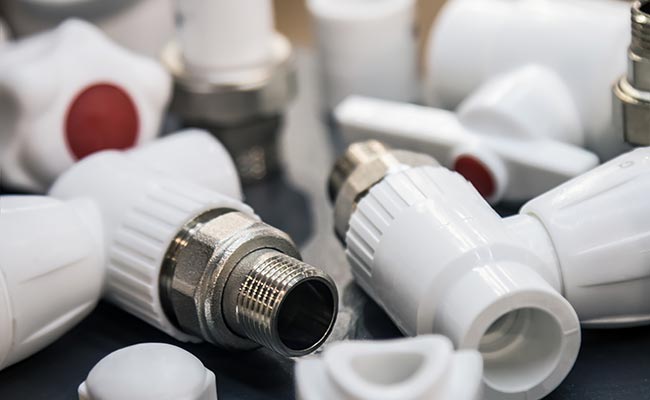
PVC T valves are crucial components in plumbing systems. They allow for the branching of pipes in different directions. Understanding their structure is essential for anyone involved in plumbing. These valves typically feature three ports, forming a "T" shape. This design lets you control the flow of liquids effectively.
Applications of PVC T valves are varied. They are commonly used in irrigation systems and swimming pools. In industrial settings, these valves manage chemical processes. However, selecting the right size and type can be tricky. Each project has unique requirements. In some cases, using the wrong valve may cause leaks or blockages.
Installation can be problematic as well. Some may struggle with securing the joints properly. Ensuring a tight seal is vital to prevent water loss. Yet, many overlook this step, leading to future issues. Regular maintenance is often neglected, which can also result in failures. Taking the time to learn about these valves is worth the effort. Proper knowledge leads to a more efficient plumbing system.
When selecting PVC T valves, several key factors come into play. The pipe size is crucial. A proper fit ensures efficient flow and reduces the risk of leaks. Remember, too big or too small can lead to issues. It's always wise to measure twice before making a choice.
Another important factor is the pressure rating. Different applications require different pressure tolerances. Ensure that the valve can handle the maximum pressure of your plumbing system. A valve that cannot withstand pressure can break down, leading to costly repairs.
Material quality should not be overlooked. PVC comes in varied grades, and not all are suited for every environment. Regularly exposed to harsh chemicals or high temperatures? Consider the chemical resistance of the PVC. Each choice has its pros and cons, and it’s easy to make mistakes. Reflect on your needs; the right decision saves time and effort in the long run.
This chart illustrates the key factors to consider when selecting PVC T valves for plumbing needs. It presents various characteristics such as size, flow rate, pressure rating, material quality, and cost, providing a comparative overview for effective decision-making.
When considering PVC T valves for your plumbing setup, it's essential to understand the various types available. Two common options are slip T valves and threaded T valves. Slip T valves allow for easy connections with pipes, offering a smoother flow. Threaded T valves, on the other hand, provide a robust fit but may require sealants to prevent leaks.
Tips: Always check the compatibility of your pipes with the chosen T valve type. This can save you time and reduce potential leaks.
Another type worth noting is the PVC ball valve T. It allows for better flow control and quicker shut-off features. This type is often favored in systems requiring precise water management. Consider the space available in your setup. Bulkier valves can be challenging to fit in tighter areas.
Tips: Measure the installation space before making a purchase. Sometimes, bigger isn't always better.
Remember, choosing the right PVC T valve involves reflection on your specific plumbing needs. Have a plan, but be ready to adapt if the situation changes. The key is to ensure durability and functionality in your plumbing system.
When choosing
PVC T valves, sizing and specifications play a crucial role. An improperly sized valve can lead to
leaks or blockages, impacting your entire plumbing system. Industry reports emphasize that
accurate valve sizing can prevent flow issues by up to 30%. This figure highlights the importance of precision in installation.
Measurements must be taken without error to ensure a proper fit.
Tip: Always measure the diameter of the pipes before selecting a valve.
A miscalculation leads to unnecessary expenses and fixes.
Considerations extend beyond mere diameter.
Pressure ratings are vital. Many manufacturers suggest a working pressure of around 150 PSI for
standard applications. However, certain conditions may require specialized valves to withstand higher pressures. Ensure your choice matches the demands of your plumbing system.
Tip: Consult with a plumbing professional if you’re uncertain about
pressure requirements. It’s better to ask than to end up with a faulty installation.
Make sure to verify the specifications against your system’s needs. Mistakes can have real consequences.
Taking time to ensure correctness in sizing can save both time and money in the long run.
It’s critical.
When assessing PVC T valves for plumbing needs, material quality is essential. High-quality PVC can resist corrosion and degradation. Research indicates that PVC pipes can last up to 50 years under ideal conditions. However, not all PVC is created equal. Variations in formulation can lead to significant differences in durability. Some cheaper alternatives may become brittle over time, leading to potential leaks.
A key factor in performance is the impact resistance of the material. Studies show that PVC valves need to withstand pressures without deforming. Pressure ratings vary, with some valves rated for 150 psi while others may only manage 60 psi. Choosing a valve that can handle your specific application is critical. Consider the environment. Extreme temperatures can affect PVC, causing it to lose integrity over time.
Manufacturing processes also play a crucial role. Poorly manufactured valves may have inconsistencies. These flaws can lead to weak points in the structure, resulting in failure when under stress. It’s important to balance cost with quality. Sometimes, cheaper products may require more frequent replacements, ultimately increasing expenses. An informed choice can prevent future issues and ensure reliable plumbing performance.
When installing PVC T valves in plumbing systems, preparation is key. Start by gathering the necessary tools. A hacksaw, measuring tape, and primer are essential. Measure your pipes accurately to ensure a snug fit. The right measurements will prevent leaks later. Cutting can be tricky. A straight cut is crucial for a proper seal.
Before joining the valves, apply primer to the ends of the pipes and the valve itself. This helps the cement bond better. Use PVC cement carefully. Too much can cause drips and weak bonds. Hold the pieces together for a few seconds after applying the cement. This step is often overlooked, but it’s important for durability.
Be aware of potential mistakes. Many rush the drying process, which can lead to future leaks. Ensure that the setup is secure and stable. Check for any weak points after installation. It’s a good idea to pressure test the system before finalizing everything. A small leak can turn into a big problem. A thoughtful approach can make a difference in the longevity of your plumbing system.
When it comes to PVC T valves, maintenance is crucial. Many homeowners overlook this aspect. Regular inspections can prevent common issues. A report from the American Society of Plumbing Engineers highlights that improper maintenance leads to 40% of plumbing failures.
One common problem is leakage. Often, it stems from loose fittings or degraded seals. Addressing this quickly is vital. You may need to replace parts to avoid water damage. Be aware of any unusual sounds. They can indicate clogs or pressure issues.
Tips:
: A PVC T valve is a plumbing component that allows pipes to branch in different directions.
They are used in irrigation systems, swimming pools, and various industrial applications.
High-quality PVC resists corrosion and can last decades, while cheaper options may become brittle and leak.
Common issues include leakage, corrosion, and improper installation leading to future plumbing failures.
Regularly tighten fittings, replace seals, and inspect joints to maintain a tight seal.
It’s advisable to inspect them quarterly to catch any issues early.
Extreme temperatures can degrade PVC material, compromising its integrity over time.
Evaluate your project's specific requirements to choose a suitable valve.
Unusual sounds may indicate clogs or pressure problems that need attention.
Yes, small issues often escalate, causing significant problems and expenses later on.
In the article "2026 How to Choose PVC T Valves for Your Plumbing Needs?", the focus is on understanding PVC T valves and their various applications in plumbing systems. It highlights key factors to consider while selecting these valves, including different types available, proper sizing and specifications for a perfect fit, and the importance of material quality to ensure durability and performance.
Additionally, the article offers essential installation tips for PVC T valves, guiding readers on how to effectively incorporate them into their plumbing projects. It also addresses maintenance best practices and common troubleshooting issues that might arise, ensuring that users can maximize the efficiency and longevity of their PVC T valves. Overall, this comprehensive guide serves as a valuable resource for anyone looking to make informed decisions regarding their plumbing needs.