
Picking the right PVC ball valve can feel pretty overwhelming sometimes. I remember reading what industry expert John Smith from Fluid Control Solutions once said—something like, “The right valve can really make or break your fluid management.” It’s a good reminder that understanding what you really need is the first step before making a decision.
PVC ball valves are super common in all sorts of setups. They’re known for being tough and resistant to corrosion, which is a huge plus. But, here’s the thing—choosing the perfect one isn’t just about grabbing the first shiny thing. You’ve gotta think about pressure ratings, chemical compatibility, and whether it fits your system size. Not every valve is a one-size-fits-all deal. Making sure the valve’s specs match what your project demands is key.
A lot of people skip over the details when they’re choosing valves, and that can cause all sorts of problems down the line—inefficiency, leaks, or even system failures. So, do your homework! Don’t hesitate to ask a pro if you’re feeling unsure. Whether it’s HVAC or chemical processing, the stakes are pretty high. Every decision you make about PVC ball valves matters. Taking your time to be thorough can save you from big headaches—and expensive fixes—later on.

Understanding the Basics of PVC Ball Valves
PVC ball valves are essential components in many piping systems. They control the flow of liquids and gases easily and efficiently. Understanding how they work helps you select the right one for your project. PVC valve construction includes a hollow ball that rotates. When the ball is aligned with the pipe, flow occurs. When the ball is turned, it stops the flow.
When choosing a PVC ball valve, consider the pressure and temperature of your application. Some valves may not withstand extreme conditions. This can lead to leaks or failures. Here are some tips for selecting the best PVC ball valve:
- Check the specifications of your system. Ensure the valve's rating meets your needs.
- Think about the size. A valve that is too large may cause pressure drops. A valve that is too small may restrict flow.
- Assess the installation area. Make sure there’s enough room for operations and adjustments.
Remember, even with careful selection, things might not go as planned. Valves can malfunction unexpectedly. Regular maintenance is necessary but often overlooked. This oversight can lead to costly repairs or replacements. Always be prepared for the unexpected when working with PVC ball valves.

Maximizing Efficiency and Durability with Single Union CPVC Ball Valves in Hot Water Plumbing Systems
Maximizing efficiency and durability in hot water plumbing systems is essential, and one of the key components to achieving this is the use of single union CPVC ball valves. These valves are designed to provide a reliable and robust solution for controlling the flow of water in various pipe sizes, ranging from 1/2 inch to 2 inches. Made from CPVC material, they are resistant to corrosion and high temperatures, making them ideal for hot water applications.
The versatility of union ball valves lies in their construction, which allows for easy installation and maintenance. The single union design enables quick disconnection and reconnection without the need for additional fittings, streamlining repairs and reducing labor costs. With sizes available from 1/2 inch to 2 inches, these valves cater to different plumbing requirements, ensuring compatibility with existing systems and enhancing overall efficiency. By integrating CPVC ball valves into your hot water plumbing system, you can achieve a longer-lasting, dependable, and effective flow regulation solution.

FAQS
: Common ingredients include fresh vegetables, grains, and various spices. Each recipe may differ slightly.
Preparation time varies. Some meals take 30 minutes, while others can take over an hour.
Yes, feel free to adjust portions based on your needs. Cooking is flexible.
Many recipes can be made vegetarian or vegan. Substitute animal products as needed.
Basic tools include knives, cutting boards, pots, and pans. More specialized tools can enhance cooking.
Experiment with spices and herbs. Tasting as you cook is important. Adjust seasoning gradually.
Improvise with similar ingredients. Cooking encourages creativity. Don’t be afraid to adapt.
Yes, meal prepping can save time during busy days. Consider preparing meals in advance.
Mistakes are part of cooking. Reflect on what went wrong and try again. Learning happens through practice.
Conclusion
Choosing the right PVC ball valves for your needs involves understanding their basic functions and characteristics. Key factors to consider include the specific size and diameter requirements of your application, as well as the pressure and temperature ratings that the valves must withstand. Additionally, evaluating the different types of PVC and their respective uses can help in selecting the most suitable material for your setup.
It’s also important to explore various valve configurations and designs tailored to your specific requirements. Moreover, considering the maintenance needs and lifespan of PVC ball valves is crucial for ensuring durability and reliability in your operations. By attentively addressing these aspects, you can make an informed decision that meets your needs effectively.
Related Posts
-

How to Choose the Best PVC Ball Valves for Your Plumbing Needs
-

Top 10 PVC Ball Valves for Your Plumbing Needs?
-
7 Essential Tips for Choosing the Best 6 PVC Ball Valves for Your Projects
-

2025 Top Pvc U Ball Valves for Superior Performance and Durability
-

15 Best PVC Ball Valve Manufacturers You Should Trust
-

2025 Top PVC Actuator Valve Buying Guide for Optimal Performance

Isabelle
Application

Underground pipeline
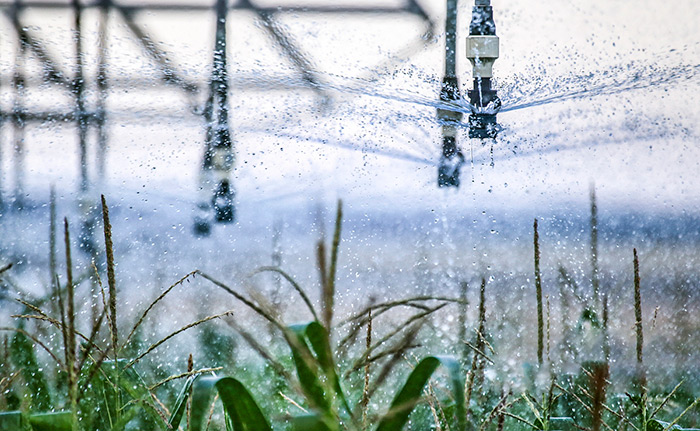
Irrigation System
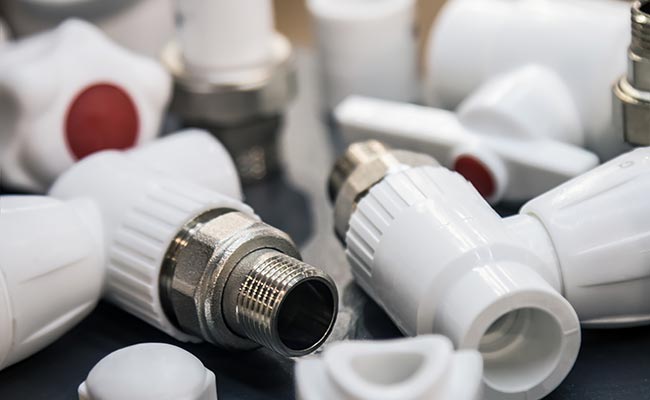
Water Supply System
