
When you're trying to pick out the right PVC Butterfly Valves, it can honestly feel a bit overwhelming. I mean, with so many options out there, it’s easy to get lost! I remember reading what industry pro James Carter from FlowControl Innovations once said — something like, "Choosing the right valve can really boost efficiency and save money in the long run." That really drives home how important it is to make smart, informed choices.
PVC Butterfly Valves are pretty common in all sorts of settings, from treating water to handling chemicals. They’re known for being quick to operate and forming a tight seal. But here’s the thing — not all these valves are the same. You gotta understand what your specific situation needs.
Think about things like pressure, temperature, and the type of fluid you're working with. A PVC Butterfly Valve that works great in one scenario might totally fall flat in another. Paying attention to these little details can save you from making costly mistakes and help ensure everything runs smoothly and reliably over time. So yeah, giving some thought to these factors can really help streamline your decision-making process.

Understanding PVC Butterfly Valves and Their Applications
PVC butterfly valves are widely used in various industries due to their lightweight design and corrosion resistance. These valves offer excellent flow control in systems dealing with water, chemicals, and even slurries. A report from the Fluid Control Industry Association indicates that the market for butterfly valves is expected to grow at a rate of 5.5% annually. This growth is driven by the increasing demand for efficient valve solutions.
Choosing the right PVC butterfly valves requires a solid understanding of the application. For instance, pressure ratings and temperature tolerances are critical. In water treatment plants, a valve that can handle 150 psi and operate within a temperature range of 32°F to 140°F is often ideal. However, not all valves meet these specifications. Some may fail under high stress, leading to leaks and costly repairs. This reality highlights the importance of selecting valves based on detailed performance data.
In chemical processing, selecting a PVC valve may seem straightforward, yet there are nuances. Certain chemicals can degrade PVC material over time. For example, strong acids may cause premature wear. It's essential to consult compatibility charts and testing data before making a choice. Also, installation errors can be costly, leading to wasted resources. Understanding these factors can enhance decision-making.

Optimizing Fluid Control: The Advantages of PVC Butterfly Valves with Lever Handles
Optimizing fluid control is essential for efficient operational processes in various industries, and PVC butterfly valves with lever handles present a compelling solution. These valves combine lightweight materials with robust performance, offering a reliable method to regulate fluid flow. With dimensions ranging from DN 50 to DN 200, these valves cater to diverse applications, ensuring compatibility with a wide array of piping systems. The lever handle design allows for quick and easy operation, making adjustments simpler and more efficient, thus enhancing productivity.
The advantages of PVC butterfly valves extend beyond ease of use. They are constructed to resist corrosion, making them ideal for handling aggressive chemicals and fluids. A comparative analysis of size parameters shows a perfect balance of design and functionality; for instance, the DN 100 model has a D1 dimension of 228 mm and a D3 dimension of 84 mm. This standardization across various sizes ensures seamless integration within existing systems. Furthermore, industry reports indicate that using butterfly valves can significantly reduce maintenance costs due to their simple design and the reduced likelihood of leaks.
In terms of performance metrics, PVC butterfly valves demonstrate excellent sealing capabilities and flow efficiency. Studies have shown that such valves can maintain optimal flow rates while minimizing pressure drops. This attribute is particularly important for industries reliant on precise fluid control, leading to reduced energy consumption and operational costs. Lever handle-operated mechanisms also allow for quick manual adjustments, which is crucial in dynamic environments where immediate response is necessary. The combination of these features ultimately positions PVC butterfly valves as an optimal choice for fluid control applications.

FAQS
: It improves focus and reduces stress. People often feel more relaxed afterward.
Regular practice is recommended. Aim for several times a week for best results.
Most people can join, but some might find it challenging. It’s okay to take breaks.
Comfortable clothing is best. Loose-fitting attire allows for better movement.
Sessions vary but usually last around 30 to 60 minutes. Time can feel long if you’re new.
Yes, many beginners struggle with distractions. It takes time and patience to improve.
You can practice in small areas. Adapt your movements to fit the space available.
While groups can be motivating, solo practice is perfectly fine. Personal growth is key.
Facing challenges is common. Reflect on your experiences and adjust as needed.
Keep a journal of your experiences. Note improvements and areas that need work.
Conclusion
When selecting the right PVC butterfly valves for your application, it is crucial to understand their specific uses and advantages. PVC butterfly valves are widely used for regulating flow in various industries due to their lightweight and corrosion-resistant properties. Key considerations include the valve's size, compatibility with existing systems, and material properties that affect durability and chemical resistance.
Additionally, it's important to assess installation and maintenance requirements to ensure optimal performance. A thorough cost analysis can help in budgeting for PVC butterfly valves while ensuring they meet your operational needs effectively. By evaluating these factors, you can make an informed decision that aligns with your project's demands.
Related Posts
-

How to Choose the Right PVC Air Valve for Your Application in 2025
-

Exploring the Impact of the 138th Canton Fair 2025 on UPVC Non Return Valve Market Trends in China
-

How to Choose the Best Upvc Socket Price Based on Market Trends and Quality Standards
-
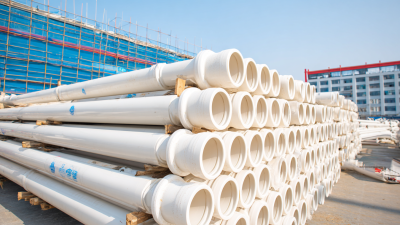
Comprehensive Guide to Choosing the Best Upvc Pipe Fittings for Your Project
-

Why the Price of Upvc Valves Varies and What You Need to Know
-
7 Essential Tips for Maximizing the Efficiency of Dipson Pipe in Your Projects

Lila
Application

Underground pipeline
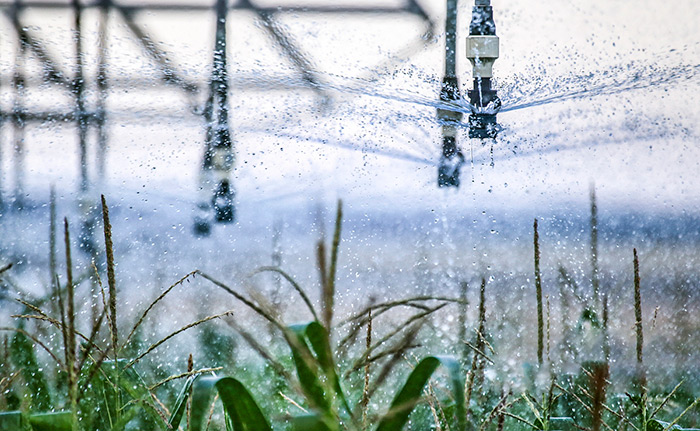
Irrigation System
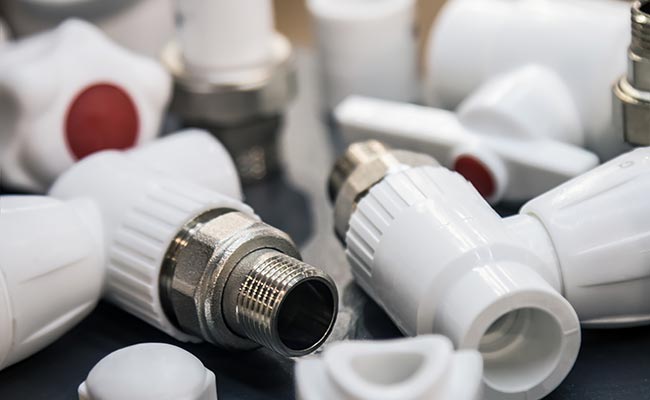
Water Supply System
