0%

Picking the right PVC T valves can really make or break your project’s success, you know? There’s actually a report from the Plastic Pipe and Fittings Association that forecasted PVC valve demand growing by about 5% each year. Pretty steady increase, right? It just shows how important these valves are across different industries—especially in plumbing and irrigation systems.

I was talking to Tom Reynolds from Valve Solutions, and he pointed out that choosing the correct PVC T valves is crucial for keeping your system running smoothly. It’s not just about picking any valve; you’ve gotta think about things like pressure ratings, size, and whether they can handle the chemicals they’ll be exposed to. Skipping over some of those details might seem minor, but it could lead to leaks or even system failures—definitely not what you want to deal with later on.

Honestly, today’s market is a bit overwhelming with so many PVC T valves out there. Each one has its own features and specs, and trying to navigate through all of it can be pretty tricky. That’s why doing your homework and chatting with experts when you can is so important. Finding that sweet spot between quality and price isn’t always easy either, and sometimes people end up making choices that don’t quite hit the mark—no big deal, lessons learned.

All in all, just remember: take your time, do your research, and don’t be afraid to ask questions. The right decision now can save you a lot of headaches down the road.

How to Choose the Right PVC T Valves for Your Needs?

Understanding PVC T Valves: A Comprehensive Overview

How to Choose the Right PVC T Valves for Your Needs?

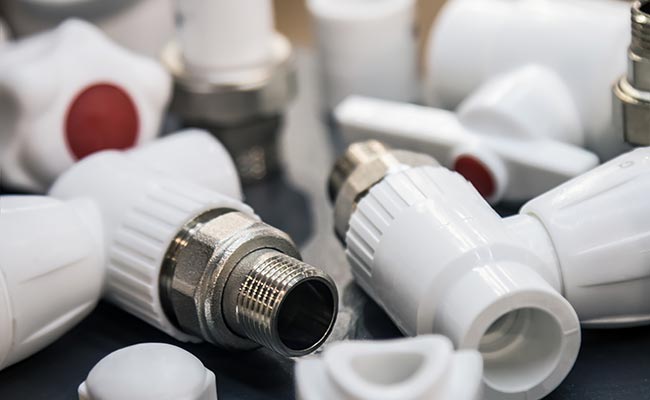
PVC T valves are crucial in various plumbing and irrigation systems. These valves often facilitate the flow of liquids in multiple directions. Understanding their structure and functions can help you make better decisions when purchasing. A PVC T valve typically has three openings. This allows for the connection of pipes at different angles. The design aims to maximize flow efficiency while maintaining pressure.

When selecting PVC T valves, consider the diameter and intended applications. The size impacts the flow rate and pressure levels. Smaller valves may restrict flow, leading to issues. You might find that a larger valve works better for high-volume applications. Pay attention to the pressure ratings as well. Using a valve outside its specified range can lead to leaks or failures.

Material quality is another factor. Not all PVC is created equal. Some may become brittle over time, especially under UV exposure. Evaluating your environment is essential. If you’re in a place with extreme temperatures, that could affect performance. Sometimes, it’s better to invest in professional advice rather than relying solely on product specifications. Remember, a well-informed choice could save you from future headaches.

Types of PVC T Valves: Key Differences and Features

When choosing PVC T valves, understanding their types is crucial. There are three main types: standard, threaded, and slip. Standard PVC T valves are easy to install. They connect directly to existing piping. Threaded valves offer more versatility. You can connect them to various systems easily. Slip valves provide a smooth connection for pipes. Each type has unique features that may fit different needs.

Standard T valves often have lower costs. They work well in low-pressure systems. However, for changing connections, threaded valves are better. They allow for adjustments without needing new pipes. Slip valves, on the other hand, are excellent for new installations. They ensure tighter seals, minimizing leaks. Think about where you will use the valve.

It's essential to reflect on application and durability. PVC material may not withstand extreme temperatures. Consider chemical exposure as well. Not all PVC T valves are equal. Some might not perform well over time. You could end up with leaks. Ultimately, it’s about balancing your needs with valve characteristics. Each type has merits and shortcomings. Make an informed choice.

Factors to Consider When Selecting PVC T Valves

When selecting PVC T valves, there are several key factors to consider. The first is the application. PVC T valves are widely used in plumbing, irrigation, and chemical processing. According to industry reports, the right valve can enhance system performance. Misalignment can cause leaks. Therefore, take time to assess specific needs.

The size of the pipe and flow rate are also crucial. An incorrect valve size can lead to inefficient flow. Data indicates that using properly sized PVC valves can optimize flow by up to 30%. Additionally, pressure ratings matter. PVC T valves come with different pressure limits. Exceeding these limits can result in catastrophic failure. Thus, one must check compatibility with existing systems.

Material quality is often overlooked. While PVC is durable, not all grades are equal. Some are designed for higher temperatures or corrosive substances. Research suggests that choosing the right material can extend valve life by up to 50%. Remember, cost isn't everything. Quality should never be compromised. Each detail matters in ensuring the longevity and effectiveness of your system.

Sizing and Specifications: Ensuring Proper Fit for Your Needs

When selecting PVC T valves, sizing is crucial. The valve size impacts flow rate and pressure. Too small can restrict flow. Conversely, a valve that is too large may not fit well. Identify your pipe diameter before making a choice. Measure accurately; even a small error can lead to problems.

Specifications also play a key role in selecting the right valve. Pressure ratings and temperature limits must match your system's requirements. Ignoring these can cause failures, leading to costly repairs. Think about the material compatibility too. Not every PVC valve suits all chemicals. Research and cross-check details; this prevents future headaches.

Reflecting on your choice is vital. Consider how often valves are replaced in your setup. Sometimes, people overlook minor details. A slightly larger or smaller valve could change everything. Proper fit is not just about immediate needs; it's about the long-term efficiency of your system. Make sure your decisions reflect this.

Material Quality and Durability in PVC T Valves

Choosing the right PVC T valves requires careful consideration of material quality and durability. High-quality PVC ensures resistance to corrosion and chemical damage. According to the American Society for Testing and Materials, durable PVC can withstand temperatures up to 140°F. This resilience is essential in various applications.

Durability extends beyond just temperature resistance. Many industry reports indicate that inferior PVC can crack or degrade under stress. Studies show that valves made from recycled PVC may lack the strength of virgin materials. This can lead to leaks or failures over time. It's crucial to check the specifications and test reports.

Another aspect to consider is the intended use and environment. For instance, PVC used in water systems may need additional UV protection. Failure to account for such factors can result in premature wear. Buyers often overlook these details, leading to costly replacements. Ultimately, careful evaluation of material quality plays a significant role in the long-term performance of PVC T valves.

Common Applications for PVC T Valves in Various Industries

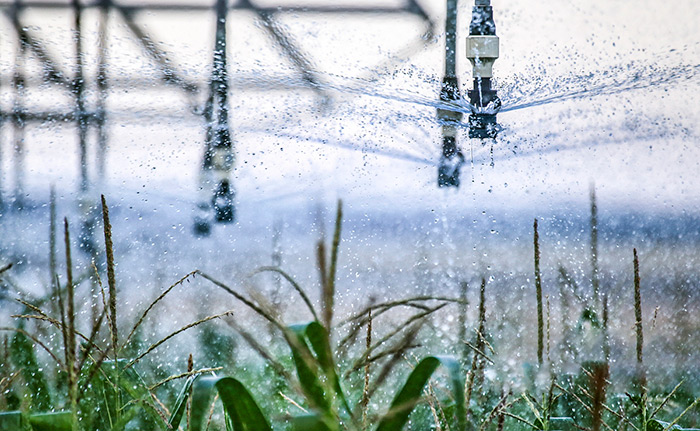
PVC T valves are versatile components used in various industries. These valves are essential for directing flow in pipelines. In agriculture, PVC T valves manage irrigation systems. They help direct water efficiently to different crop areas. Farmers can optimize water usage, ensuring every plant receives ample hydration.

In the chemical industry, these valves handle various fluids. PVC's resistance to corrosive substances makes it a popular choice. They assist in the safe transport of chemicals without leakage. However, an operator needs to consider temperature limits. PVC may not perform well under extreme heat.

In the plumbing sector also relies on PVC T valves. They are lightweight and easy to install. These valves can be used in residential and commercial settings. Nonetheless, users must check compatibility with pipe materials. Choosing incorrect fittings could lead to leaks. Proper installation and maintenance are crucial for optimal function.

Maintenance Tips to Extend the Life of Your PVC T Valves

Maintaining PVC T valves is crucial for their longevity and efficiency. Regular inspections can help identify wear and tear. For instance, checking for leaks or cracks should be done at least every six months. A report by the PVC Industry Association indicates that proper maintenance can extend product life by up to 30%. This is significant for both cost savings and performance stability.

Cleaning is another essential task. Use vinegar or a mild soap solution to prevent buildup. Harsh chemicals can cause damage over time. Avoiding prolonged exposure to extreme temperatures also helps. According to a study by the International Pipe Fittings Institute, UV exposure weakens PVC. Consider using UV inhibitors if your valves are outdoors.

Remember that even high-quality PVC can fail if not maintained correctly. Ignoring small issues can lead to larger, costly repairs. Understanding the environment where valves are used is vital. Moisture levels, temperature fluctuations, and pressure can all impact performance. Regular maintenance might seem tedious but it pays off in the long run.

FAQS

: What are the main benefits of using this product?

: It can improve efficiency and enhance productivity. Users often report time savings.

How should I use the product effectively?

Follow the guidelines provided. Regular practice can deepen your understanding. Experimentation is encouraged.

Are there any common issues faced by users?

Yes, some users struggle with the initial setup. This can be frustrating. Patience is key during this phase.

How can I troubleshoot problems?

Check the manual for solutions. Online forums can provide tips. Sometimes, a simple restart helps.

Is there a way to provide feedback?

Users can usually submit feedback through customer service channels. Sharing thoughts is valuable for improvement.

How long does it take to see results?

Results vary from person to person. Some see changes quickly, while others need more time. Staying committed is essential.

What should I do if I’m not satisfied?

Reach out through official channels. Discuss your concerns with a representative. Sometimes, adjustments can be made.

Can I use this product alongside other tools?

Yes, many users integrate it with other items. Compatibility can enhance overall performance and experience.

What precautions should I take?

Always read the safety information. Ensure proper usage to avoid issues. Don’t hesitate to ask for guidance.

Conclusion

This article titled "How to Choose the Right PVC T Valves for Your Needs?" provides a comprehensive overview of PVC T valves, detailing their types, features, and key differences. It emphasizes the importance of selecting the right PVC T valves by considering several factors, including sizing, material quality, and durability. Proper fitting is crucial, and the article outlines essential specifications to ensure optimal performance.

Furthermore, it explores the common applications of PVC T valves across various industries, highlighting their versatility and function. To enhance longevity, maintenance tips are also provided, ensuring that users can extend the life of their PVC T valves effectively. This overview serves as a valuable resource for anyone looking to make informed decisions about PVC T valves for their specific requirements.

Ethan

Ethan

Ethan is a seasoned marketing professional at Ningbo Pntek Technology Co., Ltd., a reputable supplier of plastic pipes, fittings, and valves with over a decade of exporting experience. His deep expertise in the company's products allows him to effectively communicate their value and features to a......
Previous How to Choose the Right 1 Inch PVC Valves for Your Plumbing Needs

Application

Underground pipeline

Underground pipeline

Irrigation System
Irrigation System

Water Supply System

Water Supply System

Equipment supplies

Equipment supplies