
When you're trying to pick out the right PVC air valve, it can honestly feel a bit overwhelming with so many options around. Honestly, figuring out exactly what you need is key—otherwise, you might end up with a valve that just doesn't fit. The thing is, the efficiency of your PVC air valve can really make or break how well your whole system works. Things like size, pressure rating, and what kind of application you're using it for are super important to get right.
A lot of folks don’t realize how crucial it is to match these specs up properly, and that can lead to performance issues down the line. Picking the wrong valve might seem like a tiny detail, but in reality, it can mess things up pretty quickly. And don’t forget—materials matter. It’s a good idea to check out different brands and see what kind of reputations they have. For example, brands like AiraValve offer a variety of options tailored to different needs.
Doing a bit of homework before you buy can save you from headaches later on. Think about what’s unique to your setup, and opt for a PVC air valve that's designed for those specific demands. Take your time exploring your options—even if it feels a bit overwhelming at first. Just remember, making the right choice takes a little patience and paying attention to the details.

Understanding PVC Air Valves and Their Functionality
PVC air valves play a critical role in maintaining pressure in piping systems. These valves allow air to escape or enter, which helps prevent vacuum formation that could lead to pipe damage. A well-designed PVC air valve ensures optimal performance by balancing pressure and allowing for smooth airflow.
Industry reports indicate that improper valve selection can lead to significant issues. For instance, a report by the American Society of Civil Engineers notes that 20% of pipeline failures are due to inadequate venting. This highlights the need for understanding functionality. Choosing the wrong valve can result in trapped air. Trapped air affects flow rates and can ultimately lead to costly repairs.
Understanding valve functionality goes beyond simple operation. It involves recognizing the specific requirements of your system. Not all PVC air valves are created equal. Factors such as size, connection method, and pressure rating must align with your system’s needs. Neglecting these factors can compromise efficiency and longevity. A common mistake is assuming one size fits all. This mindset can lead to inefficiencies and increased maintenance costs over time.
How to Choose the Best PVC Air Valve for Your Needs?
| Feature | Description | Suitability |
|---|---|---|
| Material | High-quality PVC, resistant to corrosion | Suitable for water and air applications |
| Size | Available in various diameters, typically from 1" to 12" | Depends on the pipe size |
| Pressure Rating | Typically rated for 150-200 PSI | Best for medium to high-pressure systems |
| Type | Automatic and manual options available | Choose based on operational requirements |
| Installation | Easy to install with standard fittings | Generally user-friendly |
| Maintenance | Low maintenance required, check for leaks | Ideal for long-term use |


Choosing the Right PPR Stop Valve: A Guide to PNTEK PPR Heavy Stop Valve for Optimal Plumbing Solutions
When selecting a stop valve for plumbing solutions, it is essential to consider the specifications that will best suit your project needs. The PNTEK PPR Heavy Stop Valve stands out in the market due to its robust construction and excellent performance under high pressure, rated at PN25. Available in various sizes from 20mm to 110mm, this valve caters to diverse plumbing requirements, ensuring flexibility and compatibility across different systems.
Crafted from 100% new material PPR, these valves not only guarantee durability but also uphold stringent safety standards. The option for free samples allows potential buyers to assess quality without upfront commitment. Additionally, customization is available with options for personalized logos and packaging, making it an ideal choice for contractors and businesses looking for tailored solutions. With efficient lead times depending on order size and support for sea freight shipping, the PNTEK PPR Heavy Stop Valve is positioned as a reliable choice for optimal plumbing solutions.

FAQS
: The diameter must match your piping system. A wrong size can lead to inefficiency.
High-pressure systems require valves that can withstand stress. This prevents potential leaks and failures.
High-quality PVC resists UV degradation and chemical corrosion. Poor materials can degrade quickly.
Well-designed valves promote better air circulation. Built-in filters prevent debris from clogging the system.
Certifications indicate testing but performance can vary. Research user reviews for better insight.
Prices can vary greatly among suppliers. Basic valves start at $10, while complex ones exceed $50.
Yes, buying in bulk may lead to savings. Discounts can reduce costs, sometimes over 15%.
Yes, shipping fees can add to costs. Hidden fees can affect your overall budget significantly.
Reviews provide insights into reliability and quality. They help identify potential supply chain issues.
Yes, low prices don't always mean the best value. Quality control issues can arise with cheap options.
Conclusion
When selecting a PVC air valve, it is crucial to understand both its functionality and your specific needs. PVC air valves are essential components in various applications, allowing for the control of air and gas flow within piping systems. Begin by identifying your requirements, as this will guide you in evaluating the different types of PVC air valves available on the market. Key features such as size, pressure rating, and corrosion resistance are vital to consider, ensuring the valve will meet the demands of your project.
Quality and durability are paramount; thus, assessing materials and construction can help in choosing a reliable PVC air valve. Additionally, comparing prices and suppliers can lead to optimal value without compromising on quality. Lastly, proper installation and maintenance are essential for the long-term performance of PVC air valves, ensuring they function effectively within your system. With careful consideration of these factors, you can select the best PVC air valve that meets your needs.
Related Posts
-

How to Choose the Right PVC Air Valve for Your Needs?
-

2026 How to Choose the Best PVC Air Valve for Your Needs?
-

What Is a Pvc Air Valve and How Does It Work?
-

Top Benefits of Using PVC Air Valves for Your Projects?
-

Top 5 PVC Pipe Valves You Need to Know About?
-

Top 10 Benefits of Using PVC Non Return Valve?

Isabelle
Application

Underground pipeline
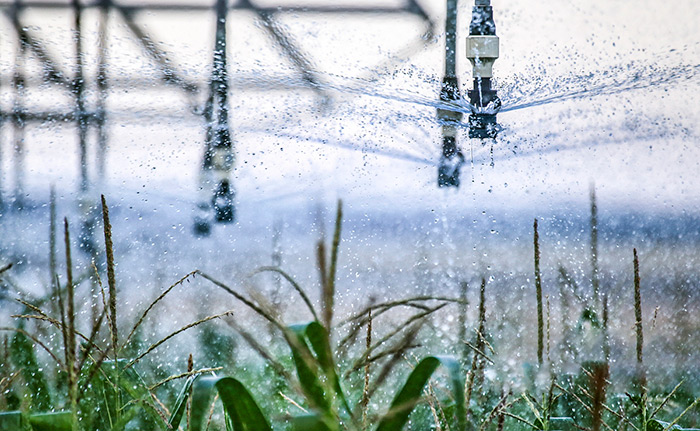
Irrigation System
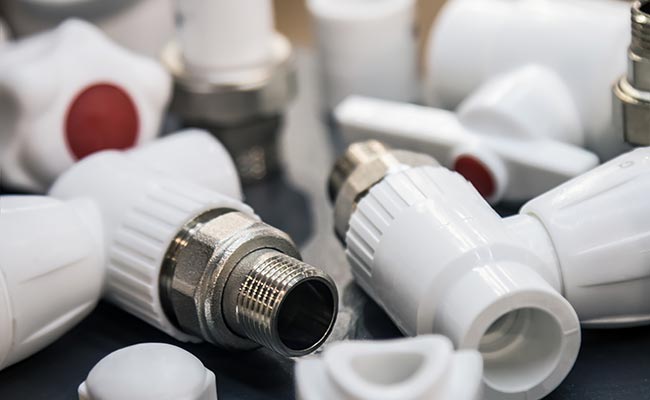
Water Supply System
