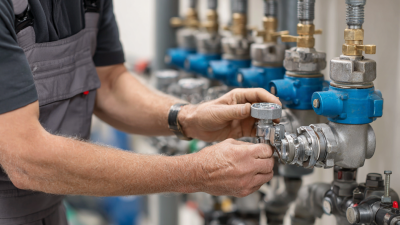
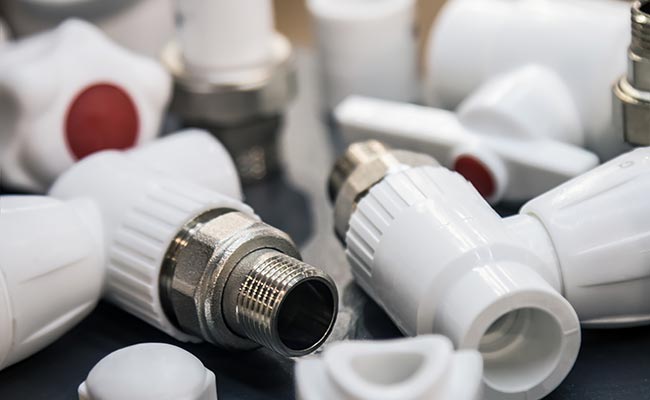
Picking the right PVC pipe valve for your plumbing project can feel pretty overwhelming, especially with all the options out there these days. As John Miller, a well-known plumbing expert at PVC Solutions, puts it, “Choosing the right PVC pipe valve is absolutely key to making sure your plumbing lasts and works smoothly.” The truth is, understanding what your specific needs are really helps you make smarter choices.
PVC valves come in all sorts of types, each meant for different jobs. Like, ball valves are great if you want solid control over flow, while check valves are mainly there to stop backflow. When you're shopping around, keep in mind things like pressure limits, temperature restrictions, and how easy it is to install. Just remember, every little detail can end up affecting how well your plumbing works and how dependable it is. Whether you’re a homeowner fixing up an old system or a contractor setting up something new, knowing how to pick the right PVC valves will definitely help you hit your plumbing goals without hassle.

Understanding Different Types of PVC Pipe Valves in Plumbing Systems
When selecting the appropriate PVC pipe valve for plumbing systems, it is crucial to understand the various types available and their specific applications. The American Society of Mechanical Engineers (ASME) categorizes PVC valves primarily into gate, globe, ball, and check valves. Each type serves a distinct purpose: gate valves are utilized for on/off control, globe valves are designed for throttling, ball valves offer quick shut-off capabilities, and check valves prevent backflow. According to a recent report by MarketsandMarkets, the global PVC pipe and fittings market is projected to reach USD 87 billion by 2025, emphasizing the importance of these components in modern plumbing infrastructure.
In addition to knowing the types of valves, it’s essential to consider their sizes and pressure ratings. The PVC pipe industry's standards stipulate that valves should match the nominal size of the pipes they connect to ensure optimal flow and prevent issues such as leaks or pressure drops. The pressure rating, usually denoted in pounds per square inch (PSI), indicates how much pressure the valve can handle before failure. Recent studies indicate that proper valve selection can reduce maintenance costs by up to 30%, as mismatched or substandard valves can lead to premature failures and system inefficiencies.
Key Factors in Selecting PVC Pipe Valves for Optimal Performance
When selecting PVC pipe valves for your plumbing needs, several key factors can significantly influence their performance. First and foremost, it's essential to consider the pressure ratings of the valves. Each valve is designed to endure specific pressure levels, and choosing one that matches or exceeds the pressure requirements of your system ensures durability and efficiency. Additionally, it's crucial to assess the temperature range within which the valve will operate. PVC materials have limits regarding the heat they can handle, and exceeding these limits might lead to failure or leaks.
Another significant factor is the type of valve you need based on the intended application. For instance, gate valves are excellent for on/off control with minimal flow restriction, while globe valves are better for throttling flow. Moreover, the connection type is essential; make sure the valve allows for easy integration with existing piping, be it threaded, solvent-welded, or flanged. Ultimately, by evaluating these factors—pressure ratings, temperature specifications, valve types, and connection methods—you can make an informed decision that enhances the overall performance of your plumbing system.
Assessing Pressure Ratings and Temperature Tolerances for PVC Valves
When selecting a PVC pipe valve, it is crucial to assess both pressure ratings and temperature tolerances, as these factors directly impact the reliability and longevity of plumbing systems.
Pressure ratings for PVC valves are generally provided in pounds per square inch (psi), and most standard PVC valves can handle pressures ranging from 150 psi to 300 psi depending on the sizing and application. Reports from the Plastic Pipes Conference indicate that valves designed for higher pressure applications not only ensure better performance under stress but also mitigate the risk of catastrophic failures, which are often attributed to overpressure scenarios.
Temperature tolerance is another essential consideration. PVC valves typically have a maximum operating temperature of around 140°F (60°C). However, various factors such as the presence of UV exposure and chemical compatibility can further influence their effectiveness in differing environments. According to research published by the American Society for Testing and Materials (ASTM), the physical properties of PVC change at elevated temperatures, which can lead to decreased tensile strength and an increased risk of deformation. For optimal performance, it is advisable to select valves that specify a temperature range suitable for your specific plumbing application while also considering the environmental conditions they will face.
Evaluating the Chemical Resistance of PVC Valves for Your Applications
When selecting a PVC pipe valve for your plumbing needs, the chemical resistance of the material is paramount. PVC, or polyvinyl chloride, is renowned for its durability and resistance to many chemicals, making it suitable for a variety of applications. For instance, according to the Plastic Pipe and Fittings Association (PPFA), PVC can withstand strong acids, alkalis, and salts, which are common in industrial settings. However, not all chemicals interact with PVC in the same way; certain solvents and petroleum-based chemicals can deteriorate PVC, compromising its integrity.
To ensure the right choice, it's crucial to assess the specific chemicals your valve will encounter. The American Society for Testing and Materials (ASTM) provides guidelines on the chemical compatibility of PVC, highlighting that while it can handle many corrosive substances, materials such as ketones and nitro compounds can present challenges. Analyzing the chemical data sheets for both the PVC and the intended use can prevent costly failures in the plumbing system.
**Tips:** Always consult chemical compatibility charts that categorize substances based on their effects on PVC. It’s beneficial to consider temperature and pressure factors, as extreme conditions can also influence chemical resistance. Regularly review the manufacturing specifications to stay updated on the latest findings, as advancements in material science can introduce enhancements in valve performance and safety.
Installation Considerations for PVC Pipe Valves in Various Plumbing Setups
When selecting and installing PVC pipe valves, it's crucial to consider the specific plumbing setup to ensure optimal performance. Different applications demand distinct types of valves, whether for residential, commercial, or industrial use. According to a report by the Plastics Industry Association, the growth of PVC in plumbing systems is largely due to its resistance to corrosion and lower installation costs, making it a common choice among plumbers. When working in high-pressure systems, it’s important to use valves rated for the specific pressure requirements to avoid failures that can lead to costly leaks or downtime.
Tips: Always check the compatibility of the valve with the piping and the fluid being transported. This is especially important in situations involving hot water or chemicals, as improper choices can lead to premature failure.
Installation considerations should also factor in the accessibility of the valves. Valves positioned in hard-to-reach areas can complicate future maintenance. The American Society of Plumbing Engineers emphasizes that ensuring proper spacing and alignment during installation can help facilitate easier access for repairs or replacements. Additionally, using appropriate fittings and adhesives according to the manufacturer's specifications can significantly enhance the durability and reliability of the installed valves.
Tips: Consider labeling valve locations in your system to simplify identification during maintenance. Having a clear understanding of your plumbing layout can save time and resources when troubleshooting issues.
Maintenance and Longevity: Ensuring Your PVC Valves Last Longer
When it comes to ensuring the longevity of your PVC pipe valves, maintenance plays a crucial role. Regular inspections can help identify potential issues before they escalate. According to the American Society for Testing and Materials (ASTM), proper maintenance protocols can extend the life of PVC valves by up to 50%. This involves routine checks for leaks, ensuring the valves are fully closed when not in use, and cleaning the exterior to prevent buildup of dirt and debris that could hinder performance.
Additionally, the correct installation is fundamental to the durability of PVC valves. A report from the Plastic Pipe and Fittings Association highlights that improperly installed valves can lead to significant stress, resulting in premature wear or failure. To mitigate such risks, it is essential to follow manufacturers’ guidelines during installation, as this can enhance the resilience of the valves against pressure fluctuations and temperature changes. By making informed choices during both installation and maintenance, you can significantly enhance the performance and longevity of your PVC piping system.
How to Choose the Right PVC Pipe Valve for Your Plumbing Needs - Maintenance and Longevity: Ensuring Your PVC Valves Last Longer
| Valve Type |
Applications |
Size Range (inches) |
Temperature Rating (°F) |
Expected Lifespan (Years) |
| Ball Valve |
Water distribution, irrigation |
½ to 4 |
-30 to 140 |
15-20 |
| Gate Valve |
Main water shutoff |
2 to 12 |
-20 to 150 |
10-15 |
| Check Valve |
Prevent backflow |
1 to 8 |
0 to 140 |
10-12 |
| Butterfly Valve |
Fluid control in large pipes |
2 to 36 |
-40 to 150 |
20-25 |
| Plug Valve |
On/Off control |
½ to 6 |
-20 to 180 |
10-20 |
Cost vs. Quality: Finding the Best Value in PVC Pipe Valves
When selecting PVC pipe valves for your plumbing projects, the balance between cost and quality is crucial. High-quality valves, while more expensive upfront, can provide significant long-term savings through durability and reduced maintenance needs. Cheaper options may initially save money, but they often lead to frequent replacements and repairs, ultimately costing more in the end. Assessing your specific plumbing requirements can help determine the best balance for your budget.
Tips for making the right choice include first evaluating the valve's pressure ratings and compatibility with your plumbing system. Ensure that the material grade of the PVC is appropriate for the intended application, whether it’s for residential use or in a more demanding environment. Additionally, don’t overlook the importance of installation ease—opt for designs that simplify the setup process even if they come with a slightly higher price tag.
Another important factor is the warranty offered on the valve. A robust warranty can be an indicator of the manufacturer’s confidence in their product and can provide peace of mind as you invest in plumbing solutions. Always compare features and specifications across different options to ensure you are making an informed decision tailored to your specific needs.
Comprehensive Guide to Top Quality PVC Ball Valves: Features, Benefits, and Ideal Applications
When selecting the right PVC ball valves for your application, it's essential to consider their features, benefits, and ideal applications. PVC ball valves are constructed from high-quality materials, ensuring durability and resistance to corrosive environments. The main components of a typical PVC ball valve include an UPVC body, a POM stem, an ABS plated chrome ball, and various seals such as EPDM and TPE. The use of these materials guarantees a reliable and efficient operation, making them suitable for a variety of industrial applications.
The benefits of using PVC ball valves are numerous. Their lightweight design allows for easy installation and handling, while the smooth operation provides precise flow control. Additionally, the robust materials used in their construction help prevent leaks and prolong the valve's lifespan, even in demanding conditions. PVC ball valves are versatile and can be used in water treatment, chemical processing, and irrigation systems, showcasing their adaptability across different sectors.
When considering the size and specifications of PVC ball valves, it's crucial to choose the correct model for your needs. Various dimensions are available to accommodate different flow rates and pipe sizes, ensuring optimal performance in your specific application. By understanding the features and advantages of PVC ball valves, you can make an informed decision that enhances efficiency and reliability in your systems.
FAQS
: Key factors include pressure ratings, temperature ranges, valve types, and connection types. Ensuring the valve matches or exceeds pressure requirements and operates within the temperature limits is crucial for performance.
PVC materials have specific heat limits; exceeding these can lead to failure or leaks. It's essential to choose valves that operate effectively within the designated temperature range.
Common types include gate valves, which are ideal for on/off control with minimal flow restriction, and globe valves, which are better for throttling flow.
Chemical resistance is critical because certain chemicals can deteriorate PVC, compromising its integrity. Selecting a valve that is compatible with the chemicals it will encounter is necessary for preventing system failures.
The American Society for Testing and Materials (ASTM) provides guidelines on chemical compatibility, and it's advisable to consult chemical compatibility charts for accurate information.
Ensure that the valve supports easy integration with existing piping systems, whether the connections are threaded, solvent-welded, or flanged.
Extreme temperatures and pressures can influence how PVC interacts with chemicals, potentially leading to increased risk of damage or failure. It's essential to consider these factors when selecting valves.
Regularly reviewing manufacturing specifications and advancements in material science can provide valuable insights into improvements in valve performance and safety.
No, while PVC can resist many chemicals, substances such as ketones and nitro compounds may pose challenges. Analyzing chemical data sheets is vital for selecting the right valve.
These charts help categorize substances based on their effects on PVC, which can prevent costly plumbing system failures and ensure the right valve selection over time.
Conclusion
When selecting the right PVC pipe valve for your plumbing needs, it's crucial to understand the various types available and how they function within plumbing systems. Key factors to consider include the valve's pressure ratings and temperature tolerances, which determine its suitability for specific applications. Additionally, evaluating the chemical resistance of PVC valves can ensure they perform optimally in environments exposed to various substances.
Installation considerations are also important, as the setup can significantly affect the valve's performance and longevity. Regular maintenance is essential to maximize the lifespan of PVC pipe valves, as proper care can prevent issues that lead to costly repairs. Finally, striking a balance between cost and quality will help you find the best value in PVC pipe valves, ensuring both efficiency and durability in your plumbing projects.