
Picking out the right UPVC valves can feel pretty overwhelming sometimes, right? There are just so many options out there that it’s easy to get a bit lost in all the choices. That’s why understanding what you actually need is super important. UPVC valves are used all over the place—think irrigation systems, industrial setups, you name it.
When you’re choosing valves, don’t forget to consider things like pressure limits and whether they’re compatible with the chemicals you’re dealing with. Not every valve is built for the same job, and some might even fail under high pressure, which could cause a lot of hassle later on. Honestly, it’s a smart idea to chat with experts—folks like those at FluidTech Solutions—who really know their stuff and can help you find the perfect fit for your project.
And hey, pay attention to the size of the valves and how easy they are to install. Using a valve that doesn’t quite fit can lead to leaks or operational headaches down the road. It’s worth taking a little extra time to research these details before pulling the trigger on a purchase. Trust me, choosing the right UPVC valves can seriously boost your system’s performance. So take your time, choose wisely, and you’ll keep everything running smoothly without stress.

Understanding the Basics of UPVC Valves: An Overview of Types

UPVC valves are important in various applications, from plumbing to irrigation. Understanding the types available can help in making the right choice. There are several types, including gate valves, ball valves, and check valves. Each type serves a specific purpose and is designed for different uses. For example, ball valves offer quick shut-off capabilities, while check valves prevent backflow.
Gate valves are commonly used for on/off control. They function best when fully open or closed, not partially. This can lead to problems if misused. Ball valves provide better control and can handle higher pressures. Their design allows for smoother flow compared to gate valves. However, they might not be ideal for all situations.
Check valves allow fluid to flow in one direction only. They're essential in systems where backflow could cause damage. Incorrect installation or choice can lead to inefficiencies. It's crucial to assess your specific needs. For instance, consider the pressure and fluid type. Making a hasty decision can result in costly mistakes. Reflect on these aspects before making your final choice.

Optimizing Fluid Control: The Advantages of Using PVC Octagonal Ball Valves in Various Applications
In the realm of fluid control, the optimization of valve systems is vital for efficiency and reliability. One particularly advantageous option is the use of PVC octagonal ball valves. These valves are becoming increasingly popular across various industries due to their durability, lightweight nature, and excellent resistance to corrosion. As a result, they are well-suited for applications ranging from irrigation systems to residential plumbing, making them a versatile choice for fluid management.
With a range of pipe sizes available—from 3/4 inch to 4 inches—PVC octagonal ball valves can accommodate diverse system requirements. For instance, a common size such as the 1-inch valve offers a balance between flow control and system integration, often priced at approximately $0.10 per piece for minimum orders. The lightweight yet robust nature of PVC allows for easy handling and installation while ensuring that the valves maintain operational integrity under varied pressures. Industry reports indicate that the efficiency of fluid control systems can see significant improvements with the use of lightweight materials like PVC, leading to reduced operational costs and enhanced system performance.
Furthermore, the structural design of octagonal ball valves enhances flow capacity compared to traditional round valves, resulting in faster response times and less turbulence in fluid flow. This design, combined with the chemical resistance inherent in PVC materials, positions octagonal ball valves as an optimal choice for applications involving aggressive fluids, including acids and bases. As companies continuously seek innovative solutions to streamline operations, embracing the benefits of PVC octagonal ball valves can lead to significant advancements in fluid control systems across various sectors.

FAQS
: The product offers various unique functions. It enhances user experience through simple interfaces and intuitive controls.
Users have praised the seamless performance. It allows for smooth operations, reducing frustration during tasks.
Some users report occasional glitches. These can interrupt usage and may require troubleshooting to resolve.
Basic troubleshooting steps include restarting the device, checking connections, and updating the software.
Yes, customer support can help with concerns. They provide guidance on common problems, but responses take time.
If the product doesn’t meet your needs, returns are accepted within a specified period. Keep packaging and receipts.
Conclusion
When selecting UPVC valves for your applications, it is crucial to understand the various types available and the specific needs of your project. Key factors such as pressure ratings and material compatibility play a significant role in ensuring that the chosen valves can withstand the operating conditions and are suitable for the fluids they will handle.
Additionally, considering installation requirements and following best practices can lead to a successful and efficient setup. Regular maintenance is essential for maximizing the lifespan of UPVC valves, while carefully evaluating the cost versus quality ensures a wise investment. By addressing these considerations, you can make informed decisions that meet your UPVC valve needs effectively.
Related Posts
-

Exploring the Advantages of Upvc Valves for Modern Plumbing Solutions
-

What is UPVC Valves? Types, Uses, and Benefits Explained
-

How to Choose the Right Upvc Sch80 for Your Plumbing Projects
-

What is Upvc Reducing Tee and Why It Matters in Modern Plumbing Systems
-

Exploring Market Trends for UPVC Ball Valve Machines at the 138th China Import and Export Fair 2025
-

Why Choose Cpvc Valves And Fittings for Your Plumbing Projects

Lila
Application

Underground pipeline
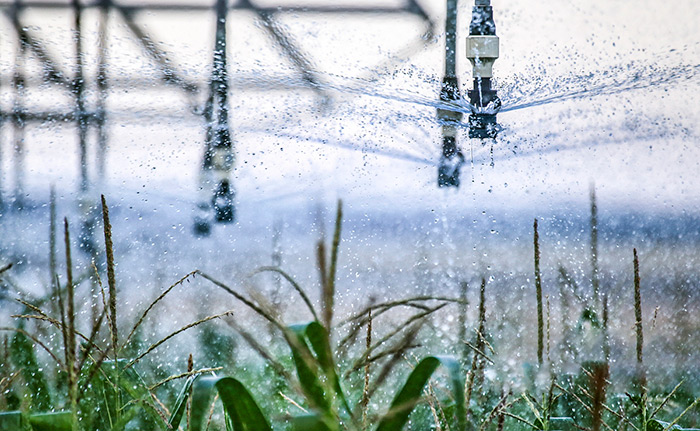
Irrigation System
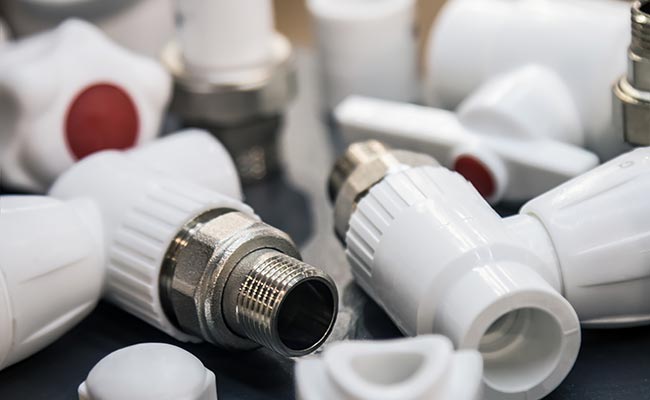
Water Supply System
