
When it comes to plumbing and construction, Cpvc valves and fittings are pretty much essential. They’re known for being tough and resisting corrosion, which is a big deal. John Smith over at Plumbing Solutions Inc. puts it nicely when he says, 'The versatility of Cpvc materials can’t be underestimated.' It really shows just how important these components are across a bunch of different applications.
You’ll see Cpvc valves and fittings used all over the place — in water systems, chemical processing, even in home plumbing. They can handle high temperatures too, making them suitable for a variety of environments. But, here’s the catch: if they’re installed improperly, problems like leaks or failures can pop up. And unfortunately, lots of folks overlook how important proper installation really is.
At the end of the day, making the most of what Cpvc valves and fittings can do means doing your homework — understanding the material, knowing the right techniques. And honestly, training those who’re installing these parts is just as crucial as the parts themselves. Getting that right can save you a lot of headaches down the road.

What are CPVC Valves and Fittings?
CPVC (Chlorinated Polyvinyl Chloride) valves and fittings are crucial in plumbing systems. They are made from a type of plastic that is durable and resistant to high temperatures. These components are designed to connect pipes within water distribution systems, offering long-lasting solutions. The flexibility of CPVC makes installation easier. However, improper handling during installation can lead to leaks and other issues.
In various industries, CPVC valves and fittings find many applications. They are commonly used in residential plumbing, chemical transportation, and industrial processes. Their corrosion resistance allows them to handle aggressive liquids and gases effectively. With proper maintenance, these fittings can operate for years. Still, it is essential to test pressure and conditions regularly. Neglecting this can cause significant problems later on.
Some might overlook the importance of quality control during manufacturing. Variations in the production process can lead to weak points in the valves or fittings. It’s important to choose reliable sources and understand the materials used. Ensuring compatibility with other systems is also crucial. The oversight of these factors can greatly impact performance and safety.


Detailed Examination of Top Quality PVC Ball Valves: Features, Benefits, and Applications of Two-Piece Designs with Various Handles
When considering the selection of high-quality PVC ball valves, two-piece designs stand out due to their robust structure and versatility. The primary components of these valves are crafted from superior materials, which ensure durability and effective sealing performance. For instance, the body of the valve is made from UPVC, a material known for its excellent chemical resistance and longevity in various applications. The use of EPDM or FPM (NBR) for the stem O-ring enhances its ability to withstand different temperatures and corrosive environments, while the POM stem provides excellent strength and wear resistance.
The ball of the valve, comprised of ABS with chrome plating, ensures a smooth sealing surface and optimal flow control, making it a reliable choice for various applications. Notably, the seat seals made from TPE, TPVC, and TPO provide exceptional resilience and flexibility, further enhancing the valve's performance. The choice of handle material, which can be PVC or ABS, contributes to user comfort and ease of operation, making these two-piece PVC ball valves suitable for different industrial settings. Their adaptability to various environments and conditions makes them an indispensable part of modern fluid control systems.

FAQS
: Assess your resources and time. Set clear goals and expectations for the project’s outcome.
Collaborating allows for diverse ideas. Communication strengthens understanding. Different skills enhance productivity together.
Miscommunication often leads to misunderstandings. Regular check-ins are crucial to stay aligned and informed.
Acknowledge setbacks openly. Analyze what went wrong. Adjust your plan and keep the team motivated.
Set quality standards early. Conduct regular reviews and encourage feedback to maintain high performance.
It’s vital for success. Prioritize tasks effectively. Use tools for tracking deadlines and responsibilities.
Facilitate open discussions. Respect differing views and seek common ground. Compromise may lead to better solutions.
Seek feedback from your team. Learn from mistakes. Foster an environment of trust and support.
Being adaptable can help address unexpected changes. Rigid plans may hinder progress. Embrace new ideas.
Reflecting on outcomes helps identify lessons learned. It aids in personal growth and improves future project strategies.
Conclusion
CPVC valves and fittings are essential components in various plumbing and industrial applications due to their unique properties and versatility. Made from chlorinated polyvinyl chloride (CPVC), these materials offer excellent resistance to heat and corrosion, making them suitable for transporting hot and aggressive fluids. The range of CPVC valves and fittings available includes different types designed for specific functions, providing users with tailored solutions for their piping needs.
The advantages of using CPVC in plumbing systems include reduced risk of leaks, lower installation costs, and improved longevity compared to traditional materials. Common applications span residential, commercial, and industrial settings, where reliable and efficient fluid transfer is crucial. Proper installation and maintenance are vital to ensure the optimal performance of CPVC products. Furthermore, environmental considerations highlight the sustainability of CPVC usage, as it can lower energy consumption and reduce waste in various applications, making CPVC valves and fittings a smart choice for modern infrastructure.
Related Posts
-

Why Choose CPVC Valves for Your Plumbing Needs? Benefits and Applications Explained
-

Why Choose Cpvc Valves And Fittings for Your Plumbing Projects
-

2025 Guide: How to Choose the Best CPVC Valves and Fittings for Your Projects
-

The Essential Guide to Understanding CPVC Valves for Efficient Piping Systems
-

Understanding PCV Valve Fittings: Essential Insights for Optimal Engine Performance
-

Top 10 PVC Non Return Valve Benefits and Applications You Should Know

Lila
Application

Underground pipeline
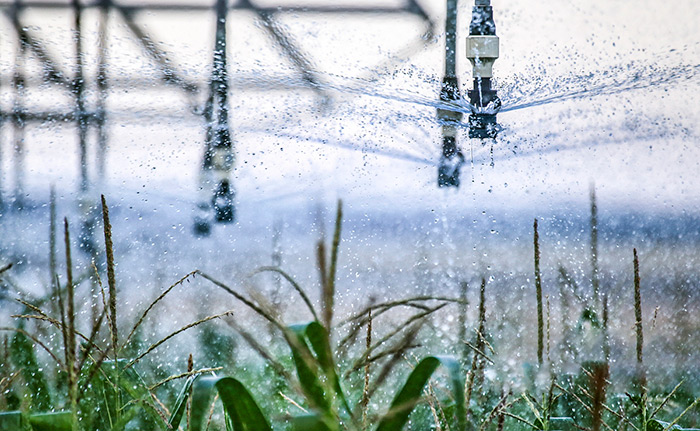
Irrigation System
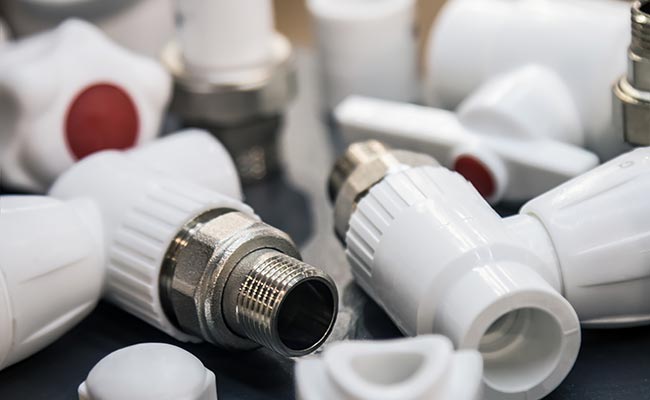
Water Supply System
