In the constantly changing world of plumbing, choosing the right materials can really make a difference in how well your system works. You know, PVC valve boxes are pretty much must-haves—they protect your valves and make access a whole lot easier. Like John Smith from WaterTech Solutions mentions, selecting the right PVC valve box is super important for your plumbing setup. It’s not just about keeping things protected; a good box can save you from headaches down the line.
Honestly, these boxes aren’t just some add-on—they actually keep your valves safe from damage over time. If you get a solid, durable box, it’ll last longer and perform better. But it’s easy to overlook their importance, which can lead to mistakes that end up costing you. And I’ll admit, installing and maintaining them properly can seem daunting—trust me, I’ve been there—but it’s honestly worth the effort.
When you’re trying to pick the best PVC valve box, it pays to think things through carefully. There are tons of options out there, and not all of them are equally good. So, it really helps to think about what you need specifically and maybe even chat with some experts. Getting the right one can really give your plumbing system a boost and help it last much longer.
PVC valve boxes are essential in plumbing systems. They offer robust protection for crucial valves. These boxes shield components from environmental stressors. PVC material resists corrosion, making it durable. This durability extends the life of plumbing systems. The lightweight nature makes installation easier, reducing labor costs.
Another benefit of PVC valve boxes is accessibility. They provide easy access to valves for maintenance and repairs. Quick access helps in timely interventions, preventing bigger issues. However, improper installation can lead to complications. Ensuring a secure fit is vital to avoid future problems. Ventilation is also essential; stagnant water can cause damage.
Incorporating PVC valve boxes into your plumbing helps with organization. They keep plumbing systems neat and functional. However, consider the placement carefully. Poor positioning can create obstacles for maintenance tasks. Ultimately, investing in quality materials leads to better performance. Reflecting on these details can enhance your plumbing experience.
When choosing PVC valve boxes, you will find several types available. Each type has unique features and functions. Some are designed for residential use, while others cater to commercial needs. Homeowners often prefer the lightweight options for easy installation. On the other hand, industrial environments often require more robust and durable models.
You should consider the size of the valve box. A smaller box may not accommodate all necessary plumbing parts. Conversely, a larger box can lead to unnecessary clutter. Think about where you will install the valve box. Some boxes are better suited for underground placement, while others are made for above-ground visibility.
Not all PVC valve boxes are created equal. Some might fade under sunlight, while others withstand various weather conditions. This variation can affect durability and longevity. Additionally, installation can sometimes be challenging. Ensuring the right fit is crucial for optimal function. You may need to refine your choices based on your specific plumbing layout.
When selecting a PVC valve box for plumbing needs, several factors require careful consideration.
Size and fit are crucial. The box must accommodate your plumbing systems without creating unnecessary strain.
Statistics show that improper sizing can lead to leaks in up to 30% of installations. This can hinder overall performance and increase repair costs,
so precise measurements are essential.
Material durability is another critical aspect. High-quality PVC is resistant to corrosion and chemicals, which can prolong the box’s lifespan.
Reports indicate that durable materials can reduce replacement frequency by at least 25%. Additionally,
the installation environment matters. Outdoor valve boxes need to withstand temperature fluctuations and UV exposure. A lack of appropriate insulation or protection
can result in significant damage over time.
Moreover, the ease of access should not be overlooked. Frequent maintenance is necessary to ensure optimal plumbing function.
Complex access can deter timely repairs, leading to larger issues. An ideal PVC valve box allows for quick access without disrupting the entire system.
Balancing these factors will enhance both the efficiency and longevity of your plumbing setup.
When installing PVC valve boxes, preparation is key. Assess the location first. Look for underground utilities. Clear any debris to prevent complications. The right spot should provide easy access. It should not interfere with landscaping or other structures.
Tip: Always wear gloves when handling PVC materials. Sharp edges can cause injuries.
Next, excavate the area. The hole must be deep enough. Make sure the valve box sits level with the ground. This helps prevent water accumulation. During installation, align the valve properly. Mismatched connections can lead to leaks.
Tip: Use a spirit level to ensure accuracy. A slight tilt can cause significant issues later.
Finally, backfill the area carefully. Avoid compacting too tightly. This can damage the valve box. Leave some room for settling. Check your work as you go along.
Keep in mind, missteps can happen. Measure twice, install once. It’s vital to double-check everything. Errors may lead to costly repairs in the future.
When it comes to plumbing, maintaining PVC valve boxes is essential. A well-maintained valve box can last for many years, even decades. According to industry experts, regular maintenance can increase the lifespan of these boxes by 40%. Here are some effective tips to keep them in top shape.
Keep the valve box clean and free from debris. Dust and dirt accumulation can cause moisture build-up, leading to mold growth. Use a brush to remove dirt regularly. Check for any cracks or leaks. A damaged box can compromise your plumbing system. Small cracks can expand over time, resulting in costly repairs. Staying proactive will save you money in the long run.
Consider the environment where the valve box is situated. Extreme heat or cold can damage materials. In colder climates, adding insulation can be beneficial. Remember, even the best box requires attention. Regularly inspect hinges and lids to ensure they function properly. A small lapse in maintenance can lead to larger issues. Keep your plumbing system running smoothly with these simple practices.
PVC valve boxes are essential for managing plumbing systems. However, they often encounter common issues that can lead to complications. One major issue is leakage. A fracture in the box can occur due to temperature fluctuations. A report from the American Society of Plumbing Engineers indicates that leaks can significantly increase water waste.
Another frequent problem is blockage. Dirt and debris often accumulate in these boxes. This can disrupt the functioning of the plumbing system. According to industry studies, up to 30% of plumbing repairs relate to such blockages. Regular maintenance is vital, yet many homeowners neglect it.
Some users face difficulty accessing the valves inside these boxes. Aging or improper installation can make this task challenging. In fact, a survey found that nearly 40% of homeowners have difficulty when trying to reach their valves. Despite the overall effectiveness of PVC valve boxes, these issues need reflection for successful plumbing management.
| Issue | Common Causes | Symptoms | Troubleshooting Steps | Prevention Tips |
|---|---|---|---|---|
| Cracking | Extreme temperatures, UV exposure | Visible cracks, water leakage | Inspect for cracks, replace as needed | Use UV-resistant materials, avoid extreme exposure |
| Blockage | Debris accumulation, improper installation | Decreased flow, pressure buildup | Clear debris, check installation angle | Regular maintenance, ensure proper installation |
| Leaking Seals | Worn out seals, improper sealing | Water pooling around box | Replace seals, check for proper sealing | Use quality seals, inspect regularly |
| Poor Accessibility | Improper placement, landscaping issues | Difficulty accessing the box | Reassess placement, clear surrounding area | Plan for accessible installation, avoid obstructions |
| Deterioration | Age, environmental factors | Reduced functionality, visible wear | Assess condition, replace if needed | Use durable materials, regularly check condition |
When comparing PVC valve boxes with other materials, several factors come into play. PVC is lightweight and resistant to corrosion, making it suitable for various plumbing needs. Its durability often outlasts metal counterparts in harsh environments. However, PVC can be less flexible in extreme temperatures. This characteristic may lead to cracking if the installation isn’t done correctly.
On the other hand, metal valve boxes offer robustness. They can withstand a lot of pressure and are less likely to warp with temperature changes. Yet, they rust and require regular maintenance. This can make them a poor choice in humid areas or where soil conditions are variable.
Choosing between PVC and other materials requires careful evaluation of specific needs. Consider the local climate and installation conditions. Installation mistakes can lead to costly repairs down the line. It's essential to think about long-term performance versus immediate cost. Each material has its unique strengths and weaknesses that influence overall effectiveness.
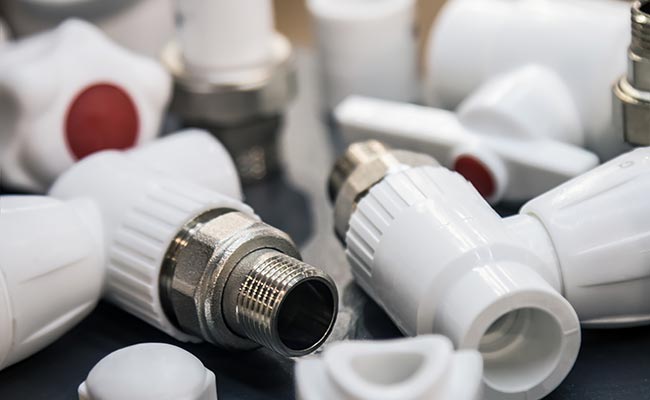
PVC butterfly valves with gear handles are widely utilized in various industrial applications due to their unique combination of durability, efficiency, and ease of operation. The primary advantage of these valves lies in their design, which allows for quick and effective flow regulation. The gear handle mechanism provides enhanced leverage, making it easier to open and close the valve even in high-pressure situations. This is particularly beneficial in environments where manual handling might be challenging, ensuring that operators can maintain control without excessive physical effort.
When considering the specifications of PVC butterfly valves, it is essential to examine the materials used in each component. The valve body can be manufactured from UPVC, CPVC, or PPG, each offering distinct resistance to chemicals and temperature, thereby ensuring a long lifespan in demanding settings. Sealing components, such as the seat seal and O-rings, made from EPDM or FPM (NBR), provide reliable sealing capabilities, minimizing the risk of leakage. Other key parts, including the disc, stem, and bolts, are constructed from high-quality materials such as stainless steel or durable alloys, further enhancing the valve's overall performance and reliability in various applications like water treatment, chemical processing, and HVAC systems.
: Size is crucial. A proper fit prevents strain and reduces leaks.
Improper sizing can cause leaks in up to 30% of installations.
Durable materials resist corrosion and chemicals, extending lifespan significantly.
Temperature fluctuations and UV exposure can lead to significant damage.
Easy access allows for timely maintenance and repairs, preventing larger issues.
Regular cleaning is crucial to prevent moisture build-up and mold growth.
Inspect for cracks or leaks to avoid costly repairs later.
Extreme temperatures can damage materials, especially in colder climates.
Regular inspections and cleaning can boost lifespan by up to 40%.
Ignoring maintenance can turn small issues into larger, more costly problems.
PVC valve boxes offer several benefits for plumbing systems, including their durability, resistance to corrosion, and lightweight nature, making them an excellent choice for various applications. There are multiple types of PVC valve boxes available in the market, designed to meet different plumbing needs. When selecting a PVC valve box, it's crucial to consider factors such as size, pressure ratings, and installation environment.
Proper installation is essential for the effective functioning of PVC valve boxes, and following established guidelines can help ensure longevity. Regular maintenance will further enhance their lifespan, while being aware of common issues can assist in troubleshooting any problems that arise. Ultimately, a comparative analysis between PVC and other valve box materials highlights the advantages of PVC valve boxes, establishing them as a reliable option for plumbing needs.