0%

A PVC non-return valve is honestly a pretty essential piece in plumbing and fluid control setups. Basically, it stops water or any fluid from flowing backward, making sure everything moves in just one direction. This is super important because it helps protect pumps and other equipment from getting damaged. The valve itself is made from sturdy PVC — it’s lightweight but tough as nails.

Getting a feel for how a PVC non-return valve works can really help you make smarter choices when dealing with piping systems. Most of the time, it’s a simple mechanism — often a spring-loaded thing — that snaps shut if the flow tries to reverse. That way, it keeps the water moving forward and keeps your system running smoothly. But, a lot of folks forget to do regular check-ups or maintenance, and that can lead to the valve failing after a while. So, it’s a good idea to give these valves a quick inspect from time to time, just to keep everything performing at its best.

You’ll see these valves used in all sorts of applications, and they’re pretty much indispensable. That said, if they’re not installed properly, you might run into some issues. Whether you’re a homeowner or a professional, it’s important to get the placement right and stay within pressure limits. Taking a little time to understand how these valves work can really pay off in terms of durability and reliable performance over the long haul.

What is a PVC Non Return Valve and How Does It Work?

What is a PVC Non Return Valve?

A PVC non-return valve is a crucial component in many plumbing systems. It allows fluid to flow in one direction while preventing backflow. This mechanism helps protect pumps and other equipment from damage caused by reverse flow. It is often used in drainage systems, irrigation, and industrial applications.

PVC is popular for these valves due to its lightweight, corrosion-resistant properties. The design is simple, featuring a disc or flap that opens with flow. When the flow reverses, the flap closes, sealing off the pipe. This action is vital for maintaining the integrity of a system. Yet, not all installations are foolproof. Over time, debris can accumulate, affecting the valve's performance.

Regular maintenance is necessary, but it is often overlooked. A stuck valve can lead to severe issues like flooding or equipment failure. Awareness of this potential problem is key for users. Ensuring the valve is free from obstructions can enhance longevity and reliability. Remember, even the simplest devices require attention to function correctly.

The Functionality of a PVC Non Return Valve

A PVC non-return valve is a critical component in many plumbing systems. Its primary function is to prevent backflow. Backflow can cause contamination and damage to the system. When fluid flows in one direction, the valve opens easily. However, if the fluid tries to flow backward, the valve closes. This action maintains the integrity of the system.

These valves can be found in various applications. For instance, they are common in drainage systems and pools. The simple design allows for efficient operation. However, there are potential issues. Dirt or debris can get trapped in the valve, preventing it from closing properly. Regular maintenance is required to ensure optimal performance. Users often overlook this problem, leading to backflow issues.

Understanding how a PVC non-return valve operates is essential. It relies on gravity and pressure to function effectively. A weight or spring mechanism is often involved. Yet, improper installation can compromise its effectiveness. The importance of correct placement cannot be stressed enough. Many users find it challenging to ensure the right orientation during installation. Awareness of these details can lead to better functionality over time.

Benefits of Using PVC Non Return Valves

PVC non-return valves offer several benefits in various plumbing systems. These valves prevent backflow, which can lead to contamination or damage. By allowing flow in one direction only, they protect pipes and ensure efficiency. This is particularly crucial in systems where water quality matters, like irrigation or drinking water supplies.

Additionally, PVC non-return valves are lightweight and resistant to corrosion. They can withstand harsh chemicals, unlike metal counterparts. Installation is usually straightforward, saving time and effort. However, improper installation can lead to leaks, which might cause frustration. Regular maintenance is also key; ignoring it can result in reduced performance over time.

Overall, while PVC non-return valves have clear advantages, attention to detail is essential for optimal functioning. Neglecting these aspects could lead to issues that undermine their benefits. Choosing the right application and maintaining these valves will enhance their lifespan and effectiveness in any system.

Common Applications for PVC Non Return Valves

PVC non-return valves play a vital role in various sectors. Their primary function is to prevent backflow in piping systems. This feature is crucial in plumbing, water supply, and even in some manufacturing processes. When water or another fluid travels through a pipe, it should only move in one direction. Backflow can cause contamination, equipment damage, or system failures.

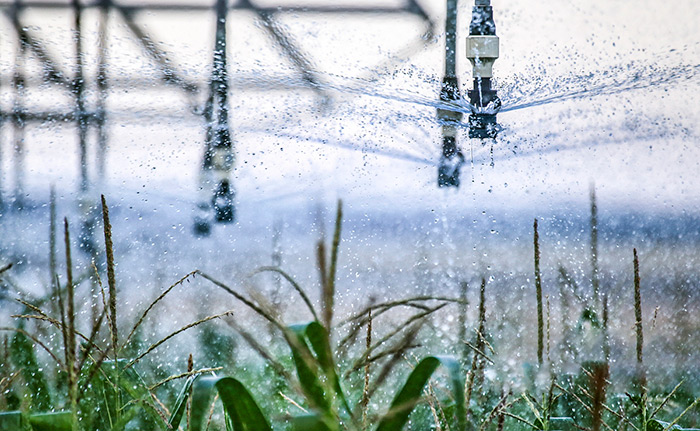
In irrigation systems, PVC non-return valves are common. They help maintain pressure and prevent wastewater from re-entering clean water lines. According to industry reports, improper backflow management can lead to nearly 30% of water loss in agricultural scenarios. This inefficiency underscores the need for effective non-return valves.

In construction, these valves are often used in drainage systems. They prevent flooding by stopping sewage from flowing back into buildings. Data from environmental studies show that cities without proper backflow prevention systems experience a 20% increase in flooding events. Such statistics reveal the importance of incorporating PVC non-return valves in project designs. Their reliability is often challenged, as wear and tear can diminish performance over time, highlighting a constant need for inspection and maintenance.

What is a PVC Non Return Valve and How Does It Work?

Dimension Value
Material PVC (Polyvinyl Chloride)
Function Prevents backflow in piping systems
Pressure Rating Up to 150 PSI
Temperature Range 32°F to 140°F (0°C to 60°C)
Common Applications Water supply, wastewater management, irrigation systems
Installation Orientation Vertical or horizontal
Maintenance Low maintenance; periodic inspection recommended

Installation Process of a PVC Non Return Valve

What is a PVC Non Return Valve and How Does It Work?

Installing a PVC non-return valve requires careful attention to detail. This type of valve prevents backflow in water systems, protecting pumps and pipes from pressure surges. According to industry reports, improper installation can reduce the efficiency of plumbing systems by up to 30%.

Begin by selecting the right size and type of valve. Measure the pipe diameter to ensure a proper fit. Clean the pipe ends thoroughly before installation. Dirt and debris can affect the seal and function of the valve.

After preparing the pipes, cut the valve housing if necessary. Align it with the existing piping. Use PVC cement to secure the joints. Apply enough pressure to ensure a tight fit. Wait for the cement to cure for at least 24 hours before testing the system. Even small misalignments can cause future leaks, so inspect your work carefully. It's easy to overlook these details, but they’re crucial for the valve’s performance.

Maintenance Tips for PVC Non Return Valves

PVC non-return valves play a crucial role in preventing backflow. Regular maintenance is essential to keep them functioning effectively. To start, check the valve routinely for any signs of wear or damage. Look for cracks or leaks around the sealing areas. These can lead to malfunction and costly repairs.

Cleaning the valve also helps improve its performance. Remove any debris that might have accumulated inside. A simple rinse with clean water can make a difference. Make sure to dry it thoroughly before re-installation. If you notice persistent issues, consider consulting an expert for advice. Sometimes, the internal components might need replacement, though many users overlook this detail.

Lastly, always keep replacement parts on hand. This practice can save time and frustration. However, remember that not every issue requires immediate attention. Take note of how the valve operates after cleaning. Anomalies should prompt a more in-depth inspection. By staying proactive with maintenance, you can extend the life of your PVC non-return valves significantly.

Troubleshooting Common Issues with PVC Non Return Valves

PVC non-return valves are essential components in many plumbing systems. They prevent backflow, ensuring that water only flows in one direction. However, like any mechanical device, they can encounter issues that affect their functionality.

One common problem is clogged valves. Dirt and debris can easily accumulate inside. This often leads to restricted flow or even complete blockage. Cleaning the valve may resolve the issue, but it requires careful disassembly. Another prevalent issue is wear and tear. Over time, seals can degrade. A leaking valve can cause unwanted water loss. Regular inspections can help catch these problems before they escalate.

Sometimes, users install valves incorrectly. Misalignment can hinder performance, leading to inefficiencies. Ensure the valve is positioned correctly to avoid future complications. Observing how the valve operates can provide insights into its condition. It’s important to address issues promptly to maintain a reliable plumbing system. Each step in troubleshooting this device brings you closer to understanding its importance in everyday use.

Analysis of the Efficiency and Durability of Plastic and Steel Check Valves in Seawater Applications: Insights from Recent Industry Reports

The efficiency and durability of check valves are critical in seawater applications, where harsh conditions can lead to rapid degradation of materials. Recent industry reports highlight PVC and steel as two leading materials used in check valve manufacturing, each offering its own advantages and disadvantages. PVC check valves are especially noted for their affordability and chemical resistance, making them an ideal choice for many marine applications, while steel valves, though generally more durable, can be susceptible to corrosion if not properly treated.

When selecting a valve, it's also essential to consider the size and type required for the specific application. Available in various sizes ranging from ½ inch to 4 inches, these valves cater to diverse piping needs. Moreover, the option for customization allows businesses to apply a unique logo or packaging, enhancing their branding efforts. A minimum order of 2000 pieces is required, with samples available for evaluation purposes at a competitive price. The lead time for orders can be negotiated based on quantities, ensuring flexibility in supply chain management. As industries continue to adopt cost-effective and reliable solutions, the choice between PVC and steel check valves remains pivotal in maintaining operational efficiency in seawater environments.

FAQS

: What is the primary function of a PVC non-return valve?

: Its main purpose is to prevent backflow in plumbing systems. This keeps the system clean and avoids damage.

Where are PVC non-return valves commonly used?

They are used in drainage systems, irrigation, and even some manufacturing processes. Their versatility is important for many applications.

What can happen if a non-return valve is not maintained?

Dirt or debris can stick in the valve, leading to improper closure. This oversight can lead to backflow issues.

How do PVC non-return valves operate?

They operate using gravity and pressure. A weight or spring helps close the valve when fluid tries to flow backward.

What mistakes should be avoided during installation?

Incorrect placement or improper alignment can greatly reduce the valve's effectiveness. Every detail matters during installation.

Why is regular maintenance important for non-return valves?

Regular checks help ensure they function properly. Wear and tear can diminish performance over time.

How much water loss can improper backflow management cause in agriculture?

Industry reports suggest it can lead to nearly 30% water loss. This makes effective non-return valves essential in irrigation systems.

What size should be chosen for installation?

You should select a valve that perfectly matches the pipe diameter. An improper fit can lead to leaks.

What is a critical step before installing the valve?

Clean the pipe ends thoroughly to ensure a good seal. Dirt can greatly affect the valve's function.

How long should you wait after installation before testing the system?

Wait at least 24 hours for the PVC cement to cure fully. Patience is important to avoid future leaks.

Conclusion

A PVC Non Return Valve is a crucial component in plumbing and fluid systems, designed to prevent backflow, ensuring that fluids flow in one direction only. The functionality of this valve relies on its internal mechanism, which closes automatically when fluid attempts to reverse direction. This not only protects pumps and other equipment from damage but also maintains system efficiency.

The benefits of using PVC Non Return Valves include their lightweight nature, resistance to corrosion, and ease of installation, making them ideal for various applications such as irrigation systems, wastewater management, and industrial processes. Proper installation and regular maintenance are essential for optimal performance, while troubleshooting common issues can help in prolonging the valve's lifespan. Understanding these aspects of PVC Non Return Valves can lead to better management of fluid systems and enhanced operational efficiency.

Isabelle

Isabelle

Isabelle is a dedicated marketing professional at Ningbo Pntek Technology Co., Ltd., a renowned supplier of plastic pipes, fittings, and valves with over 10 years of export experience. With a deep understanding of the company's core business, Isabelle excels in communicating the advantages of......
Previous How to Choose the Right 1 Inch PVC Valves for Your Plumbing Needs

Application

Underground pipeline

Underground pipeline

Irrigation System
Irrigation System

Water Supply System

Water Supply System

Equipment supplies

Equipment supplies