When it comes to modern plumbing systems, choosing the right materials and parts is a big deal—it really impacts how well everything works and how long it lasts. One thing that's been making waves lately is Pvc-U Valves. These little guys are super important for keeping water flowing smoothly and reliably. In fact, a recent report from the International Association of Plumbing Professionals mentioned that using Pvc-U Valves can lower maintenance costs by as much as 30%. That kind of number really highlights how crucial it is to pick high-quality components for your plumbing setup.
Plus, Dr. John Smith, a well-known expert in the plumbing world, points out that Pvc-U Valves are pretty much essential. He says, ‘The reliability of your entire plumbing system depends a lot on the parts you use, and Pvc-U Valves are great because they’re tough and resistant to rust and corrosion.’ As people look for more efficient ways to manage water, it’s no wonder that these valves are becoming more popular in both homes and commercial buildings. They’re turning into a go-to choice for plumbers and contractors everywhere.
All in all, understanding just how important Pvc-U Valves are can help you pick better components and, in the long run, build plumbing systems that are sturdy and ready for today’s needs.

What Are PVC-U Valves?
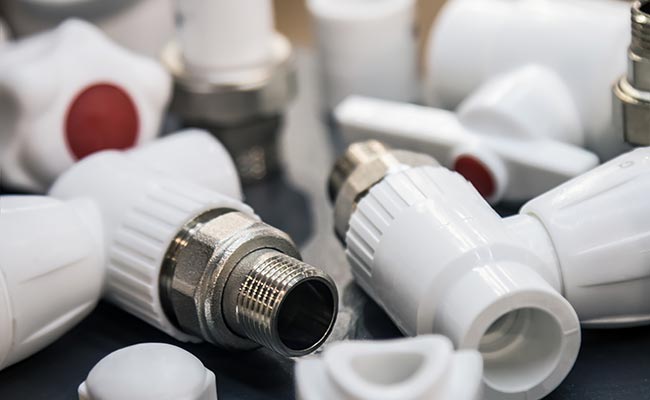
PVC-U valves, made from unplasticized polyvinyl chloride, are essential components in modern plumbing systems. Characterized by their durability and resistance to corrosion, these valves are designed to control the flow of water or other fluids through pipelines. Their lightweight nature makes installation easier, while their robust strength ensures a long lifespan, making them a popular choice for both residential and commercial applications.
These valves come in various types, including ball valves, gate valves, and check valves, each serving unique functions in system management. For instance, ball valves allow for quick and precise control of flow, while check valves prevent backflow, ensuring the integrity of the system. Furthermore, PVC-U valves can withstand a wide range of temperatures and pressures, making them suitable for various environments. Their smooth internal surfaces minimize friction, enhancing flow efficiency and reducing energy costs. Overall, PVC-U valves are indispensable in maintaining effective and reliable plumbing systems.
The Structure and Composition of PVC-U Valves
PVC-U valves, or unplasticized polyvinyl chloride valves, are integral components in modern plumbing systems. They are favored for their durability, corrosion resistance, and ease of installation. The structure of PVC-U valves typically comprises a solid body that provides a smooth flow path for liquids. Unlike traditional metallic valves, PVC-U valves are lightweight yet robust, boasting a low thermal expansion rate which enables them to maintain their shape and functionality under varying temperature conditions. According to a report by the American Society for Testing and Materials (ASTM), PVC-U's rigidity and strength make it a reliable choice for pressurized systems, with a tensile strength of approximately 4,800 psi.
In terms of composition, PVC-U is manufactured without plasticizers, which means it does not have the flexibility of other types of PVC, but this also leads to a more stable, longer-lasting product. This characteristic is particularly valuable in applications dealing with aggressive chemicals or high-pressure scenarios, where traditional materials may fail. Research has shown that the lifespan of PVC-U valves can exceed over 50 years under proper conditions, which significantly reduces maintenance costs over time.
Tips: When selecting PVC-U valves for your plumbing projects, always ensure they meet relevant industry standards such as ASTM D1784 for material properties. Additionally, consider the specific requirements of your system—pressure ratings, chemical compatibility, and temperature resistance—to ensure optimal performance and longevity. Proper installation is also crucial; using suitable adhesives and following manufacturer guidelines can significantly enhance the reliability of your plumbing system.
Advantages of PVC-U Valves in Plumbing Systems
PVC-U valves have become a popular choice in modern plumbing systems due to their numerous advantages. One of the main benefits of PVC-U valves is their resistance to corrosion and chemical damage, making them ideal for a variety of applications where exposure to harsh substances is a concern. Unlike metal valves, which can rust or corrode over time, PVC-U valves maintain their integrity and performance, ensuring longevity and reliability in plumbing installations.
Another significant advantage is the lightweight nature of PVC-U valves, which simplifies the installation process. Their reduced weight allows for easier handling and maneuvering, making them ideal for both residential and commercial plumbing projects. Additionally, PVC-U valves can be easily joined using solvent cement, creating strong and leak-free connections. This not only speeds up installation but also reduces the chances of leaks that can lead to costly water damage and repairs. Overall, PVC-U valves offer an efficient, durable, and cost-effective solution for a wide range of plumbing needs.
Common Applications of PVC-U Valves in Residential and Commercial Use
PVC-U valves are widely recognized for their versatility and reliability in both residential and commercial plumbing applications. Their lightweight nature and resistance to corrosion make them an ideal choice for various systems, ranging from water supply lines to drainage solutions. According to industry reports, the global demand for PVC-U valves is projected to grow at a CAGR of over 5% from 2023 to 2030, primarily driven by the increasing urbanization and infrastructural developments.
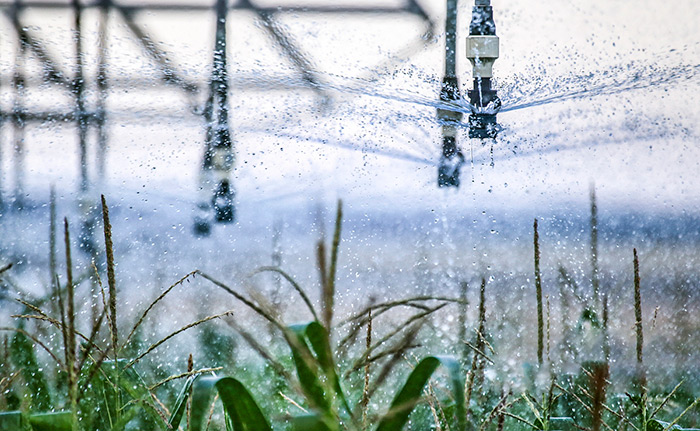
In residential use, PVC-U valves play a crucial role in irrigation systems, ensuring efficient water distribution to gardens and lawns. Their adaptability to temperature fluctuations allows them to function effectively in different climates, enhancing their appeal for homeowners. Commercially, these valves are found in a myriad of applications from chemical plants to wastewater treatment facilities. Their resistance to chemicals and ability to withstand high pressure standard make them essential for industrial environments. The versatility of PVC-U valves not only contributes to system longevity but also minimizes maintenance costs, further solidifying their status as a vital component in modern plumbing.
Comparing PVC-U Valves to Other Types of Plumbing Valves
When it comes to plumbing valves, the choice of material can significantly impact performance and longevity. PVC-U (Unplasticized Polyvinyl Chloride) valves are increasingly favored for their durability and resistance to corrosion. According to a report by the Plastic Pipe and Fittings Association, the usage of PVC products in plumbing systems has seen a steady increase, with over 60% of new installations opting for PVC materials due to their lightweight nature and ease of installation. This trend highlights the advantages of PVC-U valves over traditional materials, such as brass or steel, which are prone to rust and deterioration over time.
Compared to other types of valves, PVC-U valves offer superior chemical resistance, making them ideal for applications involving harsh substances. The American Water Works Association (AWWA) states that PVC valves can withstand a wider range of pH levels and chemical exposure, which is vital for industrial plumbing applications. In addition, they require less maintenance and showcase a longer lifespan—often exceeding 50 years with proper installation. This advantage not only reduces replacement costs but also minimizes downtime, an essential factor for both residential and commercial plumbing systems. Given these benefits, it's clear why PVC-U valves are becoming the preferred choice in modern plumbing designs.
What is PVC-U Valves and Why They Are Essential for Your Plumbing Needs
| Type of Valve |
Material |
Temperature Range (°C) |
Pressure Rating (psi) |
Corrosion Resistance |
Cost Effectiveness |
| PVC-U Valve |
Polyvinyl Chloride Unplasticized |
0 to 60 |
150 |
High |
Cost-effective |
| Brass Valve |
Brass (Copper and Zinc) |
-20 to 100 |
250 |
Medium |
Moderately Priced |
| Stainless Steel Valve |
Stainless Steel |
-30 to 180 |
300 |
Very High |
High Cost |
| CPVC Valve |
Chlorinated Polyvinyl Chloride |
0 to 90 |
200 |
High |
Cost-effective |
Installation and Maintenance Tips for PVC-U Valves
When it comes to installing PVC-U valves, proper technique is crucial to ensure optimal functionality and longevity. First, it’s important to prepare the installation site by ensuring all surfaces are clean and free from debris. When cutting the PVC pipe, use a specialized pipe cutter for a clean and straight cut. This will facilitate a better seal when the valve is installed. Additionally, make sure to apply PVC primer and cement to the joints; this not only secures the connection but also helps prevent leaks in the future.
Once installed, regular maintenance of PVC-U valves is essential to keep your plumbing system running smoothly. Periodically inspect valves for any signs of wear or damage, such as leaks or cracks. If any issues are identified, addressing them promptly can prevent further complications. It’s also advisable to exercise the valves regularly to ensure they function properly. Lubricating the valve seals with a suitable lubricant designed for plastic materials can enhance their performance and lifespan. By following these installation and maintenance guidelines, you can ensure that your PVC-U valves remain efficient and effective in handling your plumbing needs.
Understanding the Role of PVC-U Valves in Fluid Control
PVC-U valves play a crucial role in fluid control within plumbing systems, primarily due to their durability and resistance to corrosion. Made from unplasticized polyvinyl chloride, PVC-U valves are designed to withstand high pressures and temperature variations, making them suitable for both residential and industrial applications. According to a report from the Global Water Resources Management Association, the use of PVC-U materials in plumbing can reduce leakage by over 50%, significantly enhancing the efficiency of water distribution systems.
In addition to their functional advantages, PVC-U valves are lightweight, making for easier installation and maintenance. Their smooth internal structure improves fluid flow, minimizing energy losses associated with turbulent flows. A recent study by the International Plumbing and Drainage Research Group indicated that switching to PVC-U piping and valves could lead to energy savings of up to 15% in municipal water systems, thus promoting a more eco-friendly approach to plumbing.
Tips: When selecting PVC-U valves for your plumbing project, ensure compatibility with other materials in your system to prevent issues such as thermal expansion or chemical reactions. Regularly inspecting valves every six months can help identify early signs of wear, prolonging their lifespan and maintaining system efficiency.
Exploring the Impact of Plastic Ball Valve Technology on Pressure Safety in Oil Control Systems: Insights from Market Reports
The implementation of plastic ball valve technology has significantly enhanced the safety and efficiency of pressure management in oil control systems. With a pressure rating of 8-16 kgs, these valves are particularly suited for medium-pressure applications, which is essential in managing the complexities of oil pressure systems. The lightweight nature of plastic, combined with its robust performance, allows for easier installation and maintenance, minimizing the risk of leaks and failures that could lead to catastrophic situations.
In the current market, the availability of various sizes—from 1/2 inch to 8 inches—ensures that diverse industrial needs can be met. The flexibility in ordering quantities, starting from as low as 2000 pieces, also supports businesses that require both standard and custom solutions. Notably, customization options such as logo and packaging allow companies to maintain their branding while ensuring product integrity. This adaptability to specific pressure requirements and operational scenarios underscores the technological advancements in ball valve design, promoting a safer and more efficient approach to oil control systems.
FAQS
: PVC-U valves are components made from unplasticized polyvinyl chloride, used to control the flow of water or other fluids in plumbing systems. They are known for their durability, corrosion resistance, and lightweight design.
There are various types of PVC-U valves, including ball valves, gate valves, and check valves. Each type serves a specific purpose, such as controlling flow, preventing backflow, or regulating pressure.
PVC-U valves offer several benefits, including resistance to corrosion and chemicals, lightweight design for easy installation, and the ability to create strong, leak-free connections using solvent cement.
Proper installation includes cleaning the surfaces, using a specialized pipe cutter for straight cuts, applying PVC primer and cement to joints, and ensuring a secure fit to prevent leaks.
Regular maintenance includes inspecting valves for wear or damage, addressing any issues promptly, exercising the valves to ensure functionality, and lubricating valve seals with appropriate materials.
Yes, PVC-U valves can handle a wide range of temperatures and pressures, making them suitable for various plumbing environments.
If any signs of damage such as leaks or cracks are observed, it's important to address these issues immediately to prevent further complications within the plumbing system.
The smooth internal surfaces reduce friction, which enhances flow efficiency and can lead to lower energy costs in plumbing systems.
Yes, the lightweight nature and durability of PVC-U valves make them an excellent choice for both residential and commercial plumbing applications.
Using solvent cement to join PVC-U valves allows for quicker and stronger connections, which can speed up the overall installation process while minimizing the risk of leaks.
Conclusion
PVC-U valves are crucial components in plumbing systems, offering durability and resistance to corrosion. Made from polyvinyl chloride, these valves feature a robust structure that enhances their performance in fluid control. The advantages of PVC-U valves include lightweight design, ease of installation, and low maintenance requirements, making them ideal for both residential and commercial applications.
In addition to their practical benefits, PVC-U valves typically outperform other types of plumbing valves in terms of longevity and cost-effectiveness. Proper installation and regular maintenance can further extend their lifespan. Understanding the role of PVC-U valves in efficient fluid management is essential for any plumbing project, as they ensure reliable operation and contribute significantly to the overall functionality of plumbing systems.