
Getting to know the perks and uses of PVC-U valves is pretty important if you're into various industries. These valves are actually quite popular because they’re durable and resist corrosion like a champ. Plus, they’re lightweight and super easy to install — no wonder engineers love them! Companies such as Hyperion Materials & Technologies are already using PVC-U valves for all kinds of stuff, from treating water to processing chemicals.
PVC-U valves are a solid choice when it comes to safely moving fluids around. And the best part? They’re usually more budget-friendly than metal valves, which is definitely a big plus. That said, they’re not perfect — there are some limits. For example, high-pressure situations can be a bit tricky for PVC-U valves compared to their metal friends. So, it’s really important to think about what your project needs before you decide on using them.
At the end of the day, picking the right valve can seriously impact how smoothly your operation runs. Knowing both the good and not-so-good stuff about PVC-U valves helps you make smarter choices. As you're exploring how these valves might work for your projects, just keep in mind how they fit into your plans and what you need from them.

Overview of PVC-U Valves: Definition and Characteristics
PVC-U valves, or unplasticized polyvinyl chloride valves, are essential components in various piping systems. They are known for their durability and resistance to corrosion. These valves are lightweight yet strong, making them easy to install and maintain. PVC-U valves are often used in chemical processing, water treatment, and irrigation systems, contributing to efficient fluid control.
The characteristics of PVC-U valves include a wide range of pressure ratings and temperature resistances. They can handle harsh environments, making them ideal for industrial applications. However, it's important to consider their limitations. High temperatures can lead to deformation. Be mindful of this when selecting PVC-U valves for specific applications.
Tip: Always assess the environment where the valve will be used. Will it face extreme temperatures or chemicals? This can affect performance. Additionally, routine checks for wear and tear can prevent costly failures.
Another point to note is that while PVC-U valves are cost-effective, they may not be suitable for every situation. For example, in high-pressure scenarios, alternative materials might be preferable. Failing to evaluate the specific needs could lead to issues down the line.
Tip: Balance cost with performance. Investing in the right type of valve pays off in the long run.
Top PVC-U Valves Benefits and Applications Explained
| Feature | Benefit | Applications |
|---|---|---|
| Corrosion Resistance | Longer lifespan and reduced maintenance costs | Chemical processing and water treatment |
| Lightweight | Easier handling and installation | Agricultural irrigation systems |
| Cost-Effective | Reduced overall project costs | Infrastructure and construction |
| Availability | Widely accessible and easy to source | Plumbing and municipal water systems |
| Versatile Design | Applicable to various systems and configurations | Food and beverage processing |

Innovative Solutions for Plumbing: Unveiling the Benefits of Top Quality PVC Ball Valves with Durable Handles
In the modern plumbing industry, the choice of valves is crucial for ensuring the efficiency and reliability of systems. Among various options, top-quality PVC ball valves have emerged as a leading solution, celebrated for their robust design and durability. These valves are characterized by their construction materials, which include a body made of UPVC, EPDM or FPM(O-ring), and a stem crafted from POM, contributing to their resistance against corrosion and chemical reactions. According to industry reports, the global market for plastic valves is projected to grow significantly, driven by the increasing demand for lightweight and corrosion-resistant products.
The significance of durable handles in PVC ball valves cannot be overstated. These handles, typically made of PVC or ABS, not only provide added strength but also ensure ease of operation, which is especially vital in high-frequency use conditions. The incorporation of advanced materials such as TPE and TPVC in seat seals ensures a tight seal, minimizing leak risks and optimizing performance. Studies indicate that improper sealing can lead to significant operational losses, which emphasizes the need for high-quality components within any plumbing system.
Research suggests that using versatile and durable PVC ball valves can enhance system efficiency while reducing overall maintenance costs. With the plumbing sector increasingly focused on sustainability and long-term solutions, the use of innovative materials and designs in PVC ball valves represents a significant advancement. Such innovations are not only capable of meeting stringent industry standards but can also accommodate a wide range of applications, making them an essential consideration for any plumbing project.

FAQS
: PVC-U valves resist corrosion, are lightweight, and last longer than metal options. They reduce maintenance costs effectively.
Their lightweight design can reduce installation time by 20%, making tasks easier for workers.
Commonly used in water treatment, waste management, and irrigation systems due to their durability and ease of installation.
They can reduce energy consumption by up to 25% during operations, leading to significant savings.
Always evaluate the working environment, as extreme temperatures can affect their reliability and performance.
With minimal maintenance, PVC-U valves can last up to 50 years, but correct installation is crucial to avoid leaks.
Poor valve selection can lead to inefficiencies and premature replacements, wasting time and resources.
Periodic checks help prevent unexpected failures, protecting against costly system downtimes.
Improper installation may lead to leaks, which can have detrimental environmental effects if not addressed.
Continuous education on valve types and applications is essential for making informed decisions and ensuring optimal functionality.
Conclusion
PVC-U valves are increasingly recognized for their durability, chemical resistance, and light weight, making them a preferred choice in various industries. These valves are particularly beneficial in water and waste management applications due to their ability to withstand harsh environments while ensuring reliable performance.
The advantages of using PVC-U valves extend beyond just their physical properties; they also offer cost-effectiveness and low maintenance requirements compared to traditional valve materials. As sustainability becomes more critical, PVC-U valves contribute to reduced environmental impact due to their long lifespan and ease of recycling. Looking ahead, advancements in PVC-U valve technology are expected to enhance their functionality and integration into modern infrastructure, further solidifying their role in efficient fluid control systems.
Related Posts
-

2025 Top Pvc U Ball Valves for Superior Performance and Durability
-

What is Pvc-U Valves and Why They Are Essential for Your Plumbing Needs
-

What is Pvc-U Valves and How Are They Used?
-

How to Choose the Right PVC-U Ball Valves for Your Needs?
-

How to Choose the Right PVC-U Valves for Your Needs?
-

The Ultimate Guide to PVC-U Valves: Why They're Essential for Modern Plumbing Systems

Lila
Application

Underground pipeline
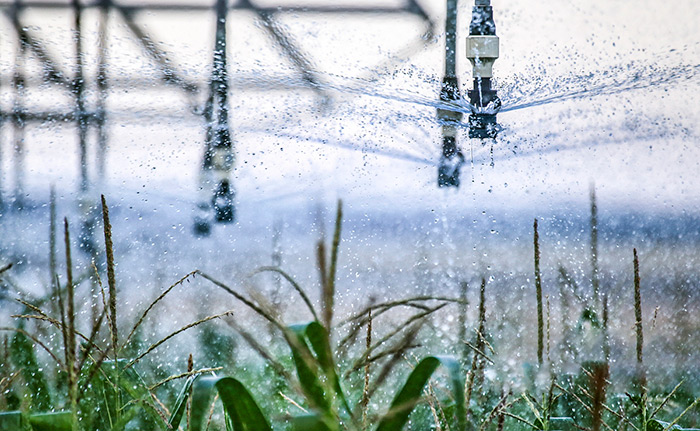
Irrigation System
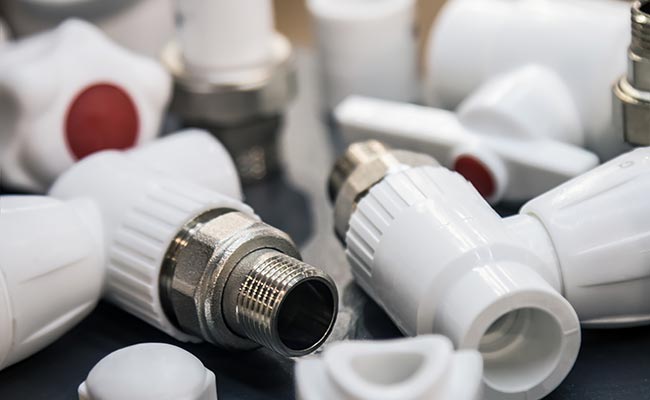
Water Supply System
