When it comes to plumbing, the materials you choose can really make a difference in how well the system works. Take PVC valve boxes, for example—they’re pretty popular because they’re durable and get the job done. I read somewhere that, according to Market Research Future, demand for these boxes is expected to grow by about 7% each year. That just shows how important they’ve become in modern plumbing setups.
Dr. John Stevens, who’s well-known in pipe engineering circles, highlights how valuable PVC valve boxes are. He says, “They offer unbeatable protection for plumbing parts, helping everything last longer.” That really shows why so many professionals rely on PVC. Of course, we should also keep in mind the environmental side of things—like recycling options and the impact of these materials.
Even though PVC valve boxes are pretty dependable, there’s still some talk about how sustainable they are in the long run. Manufacturers need to keep working on better designs and sourcing more eco-friendly materials. As the plumbing world keeps evolving, staying on top of new tech and approaches will be key to making smarter, greener choices down the line.

Benefits of PVC Valve Boxes in Plumbing Applications
When it comes to plumbing applications, selecting the right materials is crucial. PVC valve boxes offer numerous benefits that can enhance the durability and efficiency of your plumbing system. These boxes are lightweight yet sturdy, making them easy to transport and install. They resist corrosion, which is essential in environments with moisture. This means no rust or deterioration over time.
PVC valve boxes also provide excellent protection for your plumbing valves. They keep dirt and debris out, ensuring that the valves function effectively. Beyond protection, they simplify access for maintenance. You can open the box without disturbing the surrounding area too much. This can save time and reduce labor costs in the long run.
Tips: Ensure the valve box is properly sized. A box too small can put pressure on the valves. Likewise, a box too large could lead to instability. Consider using a level during installation. It helps to prevent tilting or sinking over time. Always check for compatibility with existing plumbing to avoid unexpected issues.
Understanding the Construction of PVC Valve Boxes
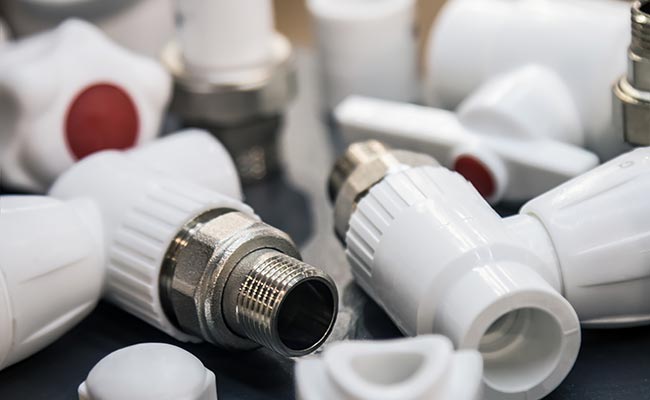
PVC valve boxes are becoming increasingly popular in plumbing systems. They offer durability and resistance to corrosion, making them ideal for various environments. These boxes are constructed from polyvinyl chloride, a plastic known for its strength. According to industry reports, PVC has a lifespan of over 50 years when properly installed, significantly reducing maintenance costs.
One crucial aspect of PVC valve box construction is its design. These boxes are often equipped with reinforced walls, providing additional support. Many feature removable lids for easy access. However, some designs may not be as robust as expected. Users should consider the thickness of the material and the quality of the seams.
Tip: Always check if the valve box meets industry standards before installation. A well-constructed box can prevent leaks and
save costs in the long run.
Another consideration is the
size of the valve box. It's essential to choose a size that accommodates the plumbing system without being excessively large. Oversized boxes can lead to soil erosion around them. Research shows that proper sizing can increase a system's efficiency.
Tip: Measure your plumbing components accurately. This small step can ensure that you select the right box and optimize your system's performance.
How PVC Valve Boxes Compare to Other Materials
When considering plumbing solutions, PVC valve boxes stand out due to their lightweight nature and durability. Unlike metal options, PVC does not rust or corrode over time. This is essential for areas that experience moisture. Metal boxes can be heavy and require more effort to install and maintain.
In terms of cost, PVC generally proves more economical. The installation process is straightforward. However, some may argue that PVC lacks the aesthetic appeal of certain materials like wood or stone. While this holds some truth, the practicality of PVC in harsh weather cannot be ignored. It withstands UV exposure better than many alternatives. This advantage leads to lower replacement costs in the long run.
One concern with PVC is the potential for damage if subjected to extreme stress or impact. While it's durable, it isn't unbreakable. Care during installation is crucial. Regular inspections help identify minor issues before they escalate. A proactive approach can maximize the lifespan of your PVC valve box and plumbing system.
Installation Guidelines for PVC Valve Boxes
When considering the installation of a PVC valve box, it's crucial to follow proper guidelines. Start by selecting a suitable location for your valve box. Ensure it's easily accessible for maintenance. Avoid placing it near heavy landscaping or structures that may restrict access. A clear space helps prevent complications during installation and future repairs.
Next, prepare the ground where you'll install the box. Dig a hole that’s slightly larger than the box itself. Make sure the bottom is level to avoid water pooling inside. If the soil is too loose, consider compacting it. This step is often overlooked but is vital for stability. After placing the box, test the fit of the valve. It should not be too tight. This fitting can influence future adjustments.
Finally, cover the box with soil once you’ve checked everything. Be careful not to bury it too deep. Leaving it slightly above ground can help with drainage. A flush finish looks neat. Yet, if too much soil gathers, it can become an issue. Regular checks ensure it remains functional. Compromises in execution can lead to regrets later on, so consider these steps carefully.
Benefits of Using PVC Valve Boxes in Plumbing
Maintenance Tips for Long-lasting PVC Valve Boxes
Maintaining PVC valve boxes is essential for optimal plumbing functionality. Regular checks help prevent issues. Inspect for cracks and wear. If you see any damage, consider replacing the box. It's a simple yet crucial task.
Cleaning is also vital. Clear away dirt and debris. Keep the surrounding area neat. This helps ensure proper drainage. Use mild soap and water to clean the surface. Avoid harsh chemicals. They can damage the plastic over time.
Consider the placement of your PVC valve box. It should be easily accessible. This allows for quick repairs when necessary. If you find it buried or hidden, rethink its location. Leaks can happen anytime, so proactive maintenance is key. Regular attention prevents bigger problems down the road.
Common Uses of PVC Valve Boxes in Plumbing Systems
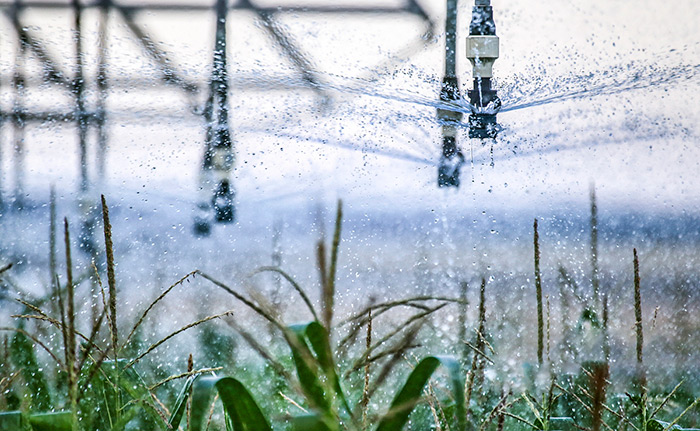
PVC valve boxes play a crucial role in plumbing systems. They are commonly used to protect underground valves and fittings. This protection extends the lifespan of components, reducing repair costs. Homeowners often encounter these boxes when dealing with sprinkler systems or swimming pools. These applications benefit from the durability of PVC against the elements.
In addition to irrigation systems, PVC valve boxes serve in residential water supply. They provide easy access for maintenance. Yet, installation can be tricky. Proper placement is essential; otherwise, they might become challenging to reach. Users need to consider soil type and potential root intrusion. Seeking professional insight can help avoid common pitfalls. Awareness of these factors ensures that the valve box functions effectively, meeting the plumbing needs.
Cost Considerations When Choosing PVC Valve Boxes
When selecting a PVC valve box for plumbing, cost is an essential factor. A recent industry report highlights that PVC valve boxes are typically 30% less expensive than metal alternatives. This cost-effectiveness stems from their lighter weight and easier installation process. Additionally, the durability of PVC can lower maintenance costs over time.
Tips: Consider the long-term implications of your choice. While PVC has a lower upfront cost, think about its lifespan and possible replacement needs. Some users deem PVC inferior in harsh environments. Understand where you intend to install your valve box. For underground installations, PVC often performs well against corrosion.
When analyzing your budget, factor in additional materials and installation costs. A study found that DIY installation can cut total expenses by up to 25%. However, improper installation could lead to future expenses. Ensure you’re comfortable with the process before deciding to go it alone. PVC has its limitations, and being informed can save you money and hassles down the road.
Why Choose a PVC Valve Box for Your Plumbing Needs? - Cost Considerations When Choosing PVC Valve Boxes
| Feature |
PVC Valve Box Cost ($) |
Metal Valve Box Cost ($) |
Durability Rating (Years) |
Installation Time (Hours) |
| Material Cost |
50 |
150 |
10 |
2 |
| Maintenance Cost (Annual) |
20 |
50 |
2 |
1 |
| Weight (lbs) |
5 |
25 |
N/A |
N/A |
| Weather Resistance |
High |
Moderate |
N/A |
N/A |
| Corrosion Resistance |
Excellent |
Poor |
N/A |
N/A |
FAQS
: This product aims to enhance daily life through improved functionality and convenience.
Begin by following the instructions on the packaging. Practice may be necessary.
Generally, most users can benefit. Some may have specific limitations or needs to consider.
If issues arise, double-check the usage. Consider reaching out for support if needed.
While generally safe, misuse can lead to unwanted outcomes. Caution is always advisable.
The lifespan varies based on usage and care. Regular maintenance may extend its longevity.
Yes, using excessive force or incorrect settings is common. Take time to learn proper techniques.
Store in a cool, dry place. Ensure it is clean to maintain its condition.
Check local regulations. Some components might be recyclable, while others need specific disposal.
If unsatisfied, review return policies. Customer feedback can guide product improvements.
Conclusion
PVC valve boxes are essential components in plumbing systems, offering numerous benefits such as durability, resistance to corrosion, and ease of installation. Constructed from high-quality PVC, these valve boxes are built to withstand various environmental conditions, making them a reliable choice over traditional materials like metal or concrete. Their lightweight nature simplifies the installation process, ensuring that plumbing professionals can set them up quickly and efficiently.
When considering a PVC valve box, it's important to understand both cost implications and maintenance practices to ensure longevity. Regular inspections and simple upkeep can significantly enhance their lifespan. Common applications include protecting valves in irrigation systems and facilitating access to utility connections. By choosing PVC valve boxes, homeowners and contractors alike invest in a durable, efficient, and cost-effective solution for their plumbing needs.