0%

When you’re diving into plumbing projects, picking the right parts really matters. For example, PVC check valves are pretty important—they help ensure the liquids flow the way they’re supposed to. Basically, they stop backflow, which can save your system from all kinds of damage.

Every project is a bit different, so choosing your PVC check valves isn’t always straightforward. You’ve got to consider things like size and pressure ratings. It’s easy to overlook quality sometimes, but that can come back to bite you later on. Not all valves are built the same, and picking the wrong one could end up costing you more than you think.

Make sure you pay attention to manufacturing standards, too. Lots of options out there may not really suit what you need. If you can, test them out first—doing a little extra homework now can save you a lot of headache down the road. At the end of the day, selecting the right PVC check valves can really make or break your project’s success.

Essential Tips for Choosing Pvc Check Valves for Your Projects?

Understanding PVC Check Valves: Definition and Functionality

PVC check valves play a crucial role in many plumbing and industrial applications. These valves allow fluid to flow in one direction while preventing backflow. Understanding their functionality helps you select the right one for your project.

PVC check valves are typically lightweight and resistant to corrosion. They are made from polyvinyl chloride, a durable plastic that endures high pressures and various chemicals. Their design often includes a disc or ball that opens with forward flow. A simple yet effective mechanism. However, not all installations will work seamlessly with PVC check valves. It’s essential to assess the specific requirements of your system.

Consider the pressure ratings and compatibility with the fluids you’ll use. Some valves might fail under specific conditions, like extreme temperatures or unique chemical exposure. It's also important to ensure proper alignment during installation to avoid issues like vibrations or leaks. Small oversights can lead to significant problems down the line. Always double-check specifications and installation guides for the best results.

Essential Tips for Choosing PVC Check Valves

This bar chart displays the common applications of PVC check valves as well as their performance ratings in various environments. The data reflects typical usability across different sectors.

Key Considerations When Selecting PVC Check Valves

When selecting PVC check valves, several key considerations come into play. First, assess the fluid type. Different fluids may require specific materials to prevent corrosion or damage. For example, water and various chemicals behave differently, influencing your choice of valve.

Additionally, consider the pressure and temperature ranges in your project. Not all PVC check valves can handle extreme conditions. Therefore, check the specifications to avoid failures.

Another detail is the valve size. Ensure the valve fits seamlessly into your pipeline. A mismatch can lead to leaks or reduced efficiency. Pay attention to installation. Some valves allow easier positioning than others. Evaluate the orientation as well. Installation may vary whether vertical or horizontal.

Finally, think about the cost versus lifespan. A cheaper valve might save money initially but may require frequent replacements. It's wise to analyze long-term costs versus short-term gains. Mistakes in this area can lead to unnecessary frustration and expenses. Valves must not only function well but serve your project’s goals effectively.

Factors Affecting Performance of PVC Check Valves in Projects

When selecting PVC check valves, various factors can impact their performance in projects. One critical consideration is the pressure rating. Ensure that the valve matches the pressure demands of your system. A mismatch can lead to failures. Additionally, the dimensions of the valve are essential. If the size is not appropriate, you might face flow restriction or turbulence.

Another important factor is the environment where the valve will be used. UV exposure and temperature changes can alter the structural integrity of PVC. Always evaluate the operating conditions carefully. Using a valve in extreme temperatures might result in cracks or leaks down the line, which could cause costly repairs.

Here are some tips that might help. Consider the flow direction when installing check valves. Misalignment can lead to inefficiency. Regular maintenance checks are also vital. Inspecting for wear and tear helps identify issues early. Don't overlook these small details; they can save you from bigger problems. Even seemingly minor decisions, like the choice of fittings, can influence valve performance over time.

Sizing PVC Check Valves: How to Determine the Right Size

Essential Tips for Choosing Pvc Check Valves for Your Projects?

Choosing the right size for PVC check valves is crucial for project efficiency. Proper sizing ensures that the valve operates optimally, preventing backflow and maintaining system integrity. According to industry reports, improperly sized valves can lead to pressure loss, resulting in increased energy costs of up to 25%. This makes it essential to pay careful attention to sizing matter.

When determining the size of a PVC check valve, consider the flow rate and the diameter of the pipe. Measure the diameter of the pipe accurately. A common pitfall is selecting a valve that is too large or too small. If the valve is too large, it may not close properly. If it’s too small, it can restrict flow and cause pressure issues. It’s wise to consult flow rate charts or hydraulic calculations to make informed choices.

Tip: Always consider future expansions in your calculations. A valve that suits your current needs may not be adequate in the future. It’s often easier to size up, than to replace a too-small valve later. Another tip is to account for the type of fluid. Different fluids may require different handling and pressure considerations. This can impact the selection process significantly, so don’t overlook it.

Material Quality: Importance of Choosing Durable PVC for Valves

Essential Tips for Choosing Pvc Check Valves for Your Projects?

When selecting PVC check valves for your projects, material quality is pivotal. Durable PVC can significantly enhance the lifespan of these valves. Poor-quality materials often lead to failures, leaks, or inefficiencies. Always check the specifications carefully.

One tip to consider is to gauge the thickness of the valve walls. Thicker walls generally mean better durability. Look for valves that can withstand pressure variations without deforming. Consider how the valve will be used. High-stress environments require stronger materials.

Another tip is to investigate the manufacturing process. Valves made from recycled PVC might save costs but can have compromised strength. A balance between cost and quality is key. Additionally, ensure that the valve tolerates temperature changes well. This is crucial for projects exposed to varying climates. Keep these factors in mind for effective decision-making.

Common Applications of PVC Check Valves in Various Industries

PVC check valves are widely used in different industries. They prevent backflow, ensuring that fluids flow in one direction. Common applications include water treatment, irrigation systems, and aquaculture. In water treatment, they are crucial. They help maintain pressure and prevent contamination. A sudden backflow can lead to severe issues, like water pollution.

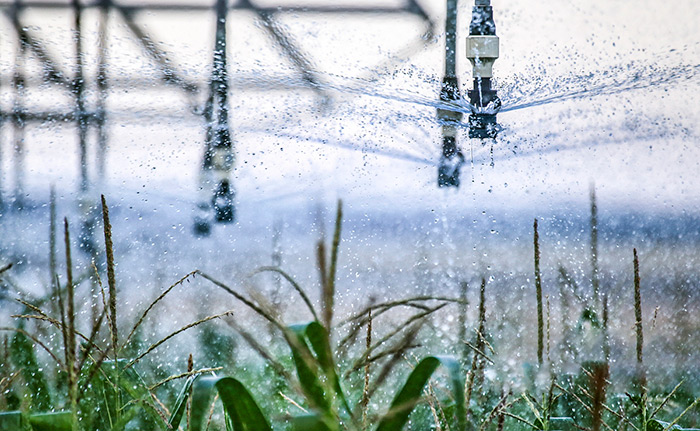
In irrigation systems, these valves prevent water from flowing back into the source. This is vital for maintaining system efficiency and protecting crops. In aquaculture, PVC check valves help manage water flow. They prevent fish from escaping and maintain water quality.

However, choosing the right check valve can be tricky. Not all PVC check valves perform the same. Some may not withstand high pressure or chemicals. Discussing specific needs with a knowledgeable supplier is beneficial. It can save time and prevent costly mistakes later on.

Maintenance Tips to Ensure Longevity of PVC Check Valves

Maintaining PVC check valves is crucial for their longevity. Regular inspection is key. Check for leaks or signs of wear. Ensure that seals are not damaged. If you notice any issues, address them immediately. Ignoring small problems can lead to bigger ones later.

Cleaning the valves periodically also helps. Remove any debris or buildup. This prevents clogs and improves flow efficiency. Sometimes, a simple rinse with water is enough. However, tougher build-up might require a scrub. Be cautious not to use harsh chemicals. They can damage PVC material.

In addition, monitor the installation environment. Extreme temperatures can cause issues. Keep valves away from direct sunlight for prolonged periods. Humidity can also affect performance. If installed outdoors, consider protective coverings. These small steps may seem tedious but can significantly extend the life of your PVC check valves.

FAQS

: What is the main purpose of the article?

: The article aims to inform readers about a specific topic.

Who is the target audience?

The content is designed for individuals interested in the subject matter.

How can one apply the information provided?

Readers can use the knowledge to enhance understanding or improve skills.

Are there any common challenges mentioned?

Yes, the article discusses several obstacles people often face in this area.

What should readers be cautious about?

Readers need to be aware of potential misleading information.

Is there a call to action?

The article encourages readers to think critically about their choices.

What are some key takeaways?

Important points are shared to guide readers in decision-making.

Are personal experiences included?

Yes, some anecdotes highlight real-life implications of the topic.

How often should one revisit this information?

Regular review can reinforce learning and keep knowledge fresh.

What is left open for interpretation?

Some conclusions invite further discussion and personal reflection.

Conclusion

PVC check valves are essential components in various industrial applications, serving to prevent backflow and ensure unidirectional fluid flow. Understanding their definition and functionality is crucial for effective project implementation. When selecting PVC check valves, key considerations include size, material quality, and specific project requirements. Sizing is vital for optimal performance, as incorrectly sized valves can lead to inefficiencies.

Additionally, the quality of PVC used in the construction of these valves affects their durability and longevity. Regular maintenance is also important to ensure that PVC check valves operate effectively over time. These valves find common applications across different industries, such as plumbing, wastewater management, and irrigation, making them a versatile choice for fluid control in various projects. By paying attention to these factors, users can make informed decisions that enhance the performance and reliability of PVC check valves.

Isabelle

Isabelle

Isabelle is a dedicated marketing professional at Ningbo Pntek Technology Co., Ltd., a renowned supplier of plastic pipes, fittings, and valves with over 10 years of export experience. With a deep understanding of the company's core business, Isabelle excels in communicating the advantages of......
Previous How to Choose the Right 1 Inch PVC Valves for Your Plumbing Needs

Application

Underground pipeline

Underground pipeline

Irrigation System
Irrigation System

Water Supply System

Water Supply System

Equipment supplies

Equipment supplies