When it comes to industrial setups, having good flow control is pretty much a must. That’s where PVC check valves come in—they’re reliable picks for stopping backflow in all sorts of systems. Basically, these valves let liquids move in just one direction, which helps keep everything running smoothly and safely.
Now, picking the right PVC check valve can sometimes feel like navigating a maze. Not all of them are built the same. Things like pressure ratings and the quality of the materials used are super important. And don’t forget about sizing! Sometimes folks overlook that part. Picking a valve that's too small can block the flow, and if it’s too big, it might cause turbulence—that’s not ideal either.
There are a few brands that really stand out—Waga, Parker, and Apollo are popular choices and have a bunch of options for different needs. It's a good idea to pay close attention to each product’s specs because, trust me, tiny details can make a big difference in how well it works. Taking the time to do a bit of homework now can save you headaches later. Ultimately, choosing the right PVC check valves can seriously boost your system’s overall reliability and efficiency—that’s worth it, right?
PVC check valves play a crucial role in fluid dynamics. They ensure one-directional flow within a system, preventing backflow effectively. This prevents damage to pumps and other equipment, enhancing system longevity. The significance of these valves is often overlooked, yet they are integral to many applications.
Improper installation can lead to leaks. Awareness of the specific needs of your system is vital. Not all check valves perform the same under varied pressures. Sometimes, users might experience unexpected flow reductions. A careful evaluation of materials and construction is essential.
In some cases, PVC check valves can fail due to wear or corrosion over time. Regular maintenance can help prevent these issues. Understanding the flow characteristics of your application ensures optimal performance. It's a learning process to find the best fit for your needs.
When selecting PVC check valves, several key features should guide your decision. The flow rate is critical; it determines how efficiently the system operates. A valve with a high flow rate minimizes pressure drops in the lines. Look for models with a simple design. Simplicity often leads to improved reliability and ease of maintenance.
Consider the size and compatibility of the valve. Ensure it fits well with existing piping. Mismatched sizes can disrupt flow and cause leaks. You should also pay attention to the sealing mechanism. A solid seal prevents backflow, which can lead to contamination.
The material quality is another factor. PVC should be durable and resistant to the specific fluids being handled. Sometimes, choosing a cheaper option leads to quicker failures. It could be wise to invest a bit more in a better build. Lastly, check the installation process. Some valves are easier to install than others. However, each has its unique challenges. It's common to encounter issues during installation. These factors need careful consideration to achieve superior flow control.
| Model | Size (inches) | Pressure Rating (psi) | Material | Temperature Range (°F) | Key Feature |
|---|---|---|---|---|---|
| Model A | 2 | 150 | PVC | 32 to 140 | Spring-loaded |
| Model B | 3 | 125 | PVC | 40 to 120 | Lightweight design |
| Model C | 4 | 200 | PVC | 32 to 180 | Corrosion-resistant |
| Model D | 2.5 | 150 | PVC | 40 to 140 | Easy installation |
| Model E | 3.5 | 100 | PVC | 32 to 150 | Compact design |
PVC check valves are increasingly popular across various industries. Their ability to prevent backflow makes them essential in fluid control applications. A report from the International Water Association states that improper backflow can cause significant disruptions, leading to up to $1 billion in losses annually. This shows how vital it is to have reliable flow control solutions.
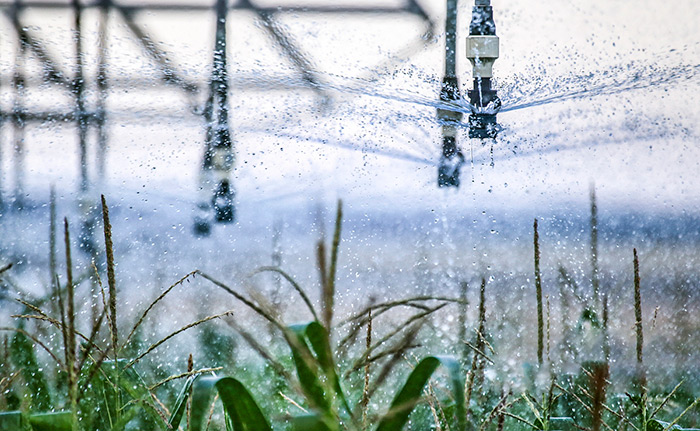
In the agriculture sector, PVC check valves play a crucial role in irrigation systems. Efficient watering is essential for maximizing crop yield. According to the USDA, proper irrigation can increase production by 40%. Using high-quality check valves can reduce water wastage and improve efficiency, but many systems still fail due to subpar components.
The chemical processing industry also relies on PVC check valves for safe operations. These valves resist corrosion, making them suitable for various chemicals. A study by the Chemical Engineering magazine highlights that over 30% of processing failures are linked to valve issues. This underlines the importance of regular maintenance and selection of appropriate materials. Yet, many companies overlook these factors, leading to costly downtime.
PVC check valves are essential for effective flow control in various systems. These valves help prevent backflow, ensuring that fluids move in one direction only. When choosing a PVC check valve, factors like design, size, and application are crucial. High-quality valves improve system efficiency and help maintain optimal performance.
Some products stand out in design. Flapper valves have a simple mechanism and are easy to install. However, they might wear out over time. Spring-loaded options are more durable and responsive. But they can be more complex to install. It's essential to consider the specific needs of your system when selecting a valve type.
Maintenance is another critical aspect. Regular checks prevent leaks and ensure longevity. Some users skip this step, leading to failures. Inconsistent performance can arise from overlooked maintenance. It's a reminder that even the best products require attention. Making informed choices can significantly impact flow efficiency.
When selecting PVC check valves, performance is key for effective flow control. There are various metrics to consider. Flow rate, pressure drop, and durability all play critical roles. A valve's design can greatly influence how it operates under different conditions. Some models maintain excellent flow rates despite significant pressure changes, while others may falter.
One common challenge is the balance between flow efficiency and resistance. Certain valves excel in high-flow applications but may struggle with lower flow scenarios. It’s important to analyze real-life performance rather than relying solely on specifications. Users often find that installation angles can affect how well a check valve performs. A valve that works perfectly in one setup might not deliver the same results in another.
Durability is another aspect to ponder. Many valves might appear sturdy but could degrade over time due to environmental factors. UV exposure, temperature fluctuations, and chemical interactions can hasten wear. Users should regularly evaluate the condition of their valves to prevent unexpected failures. Exploring user experiences can provide insight into long-term performance and highlight any recurring issues that may not be evident in initial assessments.
PVC check valves are essential for controlling fluid flow. Maintenance is key to prolonging their lifespan. Keep valves clean and free from debris. Regular inspections help identify wear and potential issues.
Lubricate seals and moving parts as needed. This prevents sticking and ensures smooth operation. Also, monitor for leaks around the valve body. A small leak can lead to bigger problems over time. Address issues promptly to avoid costly repairs.
Temperature changes can affect PVC. Extreme heat or cold may cause expansion or contraction. Shield valves from direct sunlight or freezing conditions when possible. Take time to evaluate the installation. Improper fitting can result in failure. Be proactive rather than reactive. Adjustments are often more manageable than replacements.
This chart displays the flow rates of the top 5 PVC check valves. Data reflects typical performance under standard conditions, illustrated in gallons per minute (GPM).
Using PVC check valves can optimize fluid flow in various applications. However, common issues may arise during operation. A frequent problem is backflow, which can lead to system inefficiencies. According to a report by the Fluid Control Association, backflow affects up to 30% of installations. The reasons include improper valve sizing or misalignment during installation.
Another issue is wear and tear due to fluctuating pressures. PVC materials may become brittle or lose flexibility over time. Data from the American Society of Civil Engineers indicates that improperly maintained valves result in up to 25% downtime in industrial systems. Regular inspections and timely replacements are essential.
Additionally, environmental factors such as temperature can affect performance. In regions with extreme temperatures, PVC may expand or contract, impacting the sealing capability. Solutions include using valves rated for wider temperature ranges or insulation. Regular maintenance schedules can also help mitigate these issues, ensuring better longevity and performance.
: The product aims to improve daily productivity and task management.
Students, professionals, and anyone needing better organization can benefit.
Getting started is simple. Just download and follow the on-screen instructions.
Yes, customizable reminders, task categorization, and collaboration tools stand out.
Yes, you can access the product from smartphones, tablets, and computers.
Yes, customer support is provided through chat and email.
If issues arise, check the FAQ section. You might find useful solutions.
Yes, users can easily adjust settings to fit their unique preferences.
Some may struggle with initial setup or navigating certain features.
User feedback is collected for improvements, but not all suggestions will be implemented.
PVC check valves play a crucial role in ensuring efficient flow control across various industries. These valves are designed to prevent backflow, making them essential in maintaining proper fluid dynamics in systems. When selecting PVC check valves, key features such as size, pressure rating, and ease of installation should be considered to ensure optimal performance.
Top applications for PVC check valves include water treatment facilities, irrigation systems, and chemical processing, among others. Regular maintenance is vital for maximizing the lifespan of these valves, and users should be aware of common issues such as leakage and clogging, along with their respective solutions. Ultimately, understanding the performance metrics of different PVC check valves will help users make informed decisions that enhance their operational efficiency.