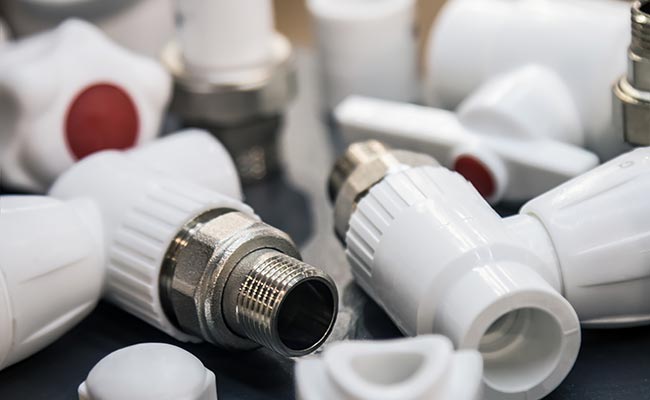
When it comes to plumbing and industrial setups, understanding PVC pipe valves is pretty important. These little guys are essential for controlling the flow of liquids and gases through PVC pipes, so you’ll find them playing a huge role in different systems — whether it’s watering the garden or handling chemicals in a factory. Honestly, without them, a lot of processes just wouldn’t run smoothly or safely.
There are a few types of PVC pipe valves out there — like ball valves, gate valves, check valves, and probably others. Picking the right one can really make your life easier, saving you time and cash in the long run. But here's the thing — a lot of folks overlook the details, like pressure ratings or whether a valve is compatible with their system, and that can lead to some pretty costly mistakes.
Even though these valves are super important, not everyone fully gets how they work. It’s easy to assume they’re all pretty much the same, but choosing the right PVC valve can seriously impact how well your setup performs. Having a bit of knowledge about what to look for really helps you make smarter decisions. Don’t underestimate how much understanding these little features can boost your system’s reliability and extend its lifespan — it’s totally worth it.
PVC pipe valves play a crucial role in various plumbing and irrigation systems. They regulate fluid flow and ensure efficient water management. These valves control pressure and prevent backflow, safeguarding against leaks. Without reliable valves, systems can fail. The impact of a malfunctioning valve can be significant.
In many installations, choosing the right valve type is essential. Different designs cater to specific needs. A gate valve offers low resistance, while a ball valve provides a tight seal. Some users may overlook the nuances of valve selection. This can lead to operational challenges. A mismatch in valve type and application may cause inefficiencies.
Moreover, maintenance is often neglected. Regular checks can prevent unexpected breakdowns. Users sometimes forget how vital these components are until a problem arises. Leaks can lead to costly damages. Understanding the importance of PVC pipe valves is key for longevity and functionality. Investing time in learning about them pays off in the long run.
When choosing PVC pipe valves, understanding the types of materials is crucial.
PVC, or polyvinyl chloride, is a common choice. It's lightweight and resistant to corrosion.
However, not all PVC is created equal. Different formulations exist for specific applications, impacting durability and flexibility.
Some valves may be made from CPVC, which has a higher temperature tolerance.
This can be beneficial in hot water applications. Risks include potential brittleness over time.
Another option is UPVC, often used in drainage systems.
It’s strong, but it might not perform well in freezing conditions.
Tips:
When selecting a valve type, consider the environment.
If temperature swings are common, CPVC may be a wiser choice.
Ensure compatibility with pipes to prevent leaks.
Watch for the valve rating; some may not handle high pressure effectively.
Choosing the right material for your needs can be challenging.
Reflect on the specific conditions your installation will face.
Some options look appealing but might lack long-term performance.
It's essential to balance initial cost with future reliability.
When choosing PVC pipe valves, there are several key factors to consider. Knowing the specific application is essential. Each valve type serves a unique purpose, impacting flow control and system efficiency. According to industry reports, improper valve selection can lead to a 15% decrease in system performance.
Material compatibility is another critical factor. PVC valves are not suitable for all chemicals. Certain substances can cause degradation. It's important to check compatibility charts thoroughly. In fact, studies show that nearly 25% of valve failures stem from chemical incompatibility. This leads to costly repairs and downtime.
Sizing is also vital; the valve must fit the system correctly. Oversizing can cause flow problems, while undersizing may lead to pressure issues. Accurate measurement and consideration of the entire system pressure are crucial. Miscalculations can result in damage and inefficiencies. Many professionals overlook this aspect, often leading to regrets later.
| Valve Type | Application | Pressure Rating (psi) | Temperature Range (°F) | Connection Type |
|---|---|---|---|---|
| Ball Valve | Shut-off applications | 150 | 32 to 140 | Socket Weld |
| Gate Valve | On/Off control | 200 | 32 to 140 | Flanged |
| Check Valve | Prevent backflow | 150 | 32 to 140 | Socket Weld |
| Butterfly Valve | Flow regulation | 150 | 32 to 140 | Flanged |
| PVC Pressure Relief Valve | Pressure control | 100 | 32 to 140 | Threaded |
| Swing Check Valve | Prevent backflow | 150 | 32 to 140 | Flanged |
| Foot Valve | Suction line | 150 | 32 to 140 | Socket Weld |
| Solenoid Valve | Automated control | 150 | 32 to 140 | Threaded |
| Pressure Reducing Valve | Pressure management | 150 | 32 to 140 | Flanged |
PVC valves play a crucial role in fluid control systems. They manage the flow of liquids and gases, making them essential for various applications. Among the common types of PVC valves, the ball valve stands out. It provides a tight seal and allows for quick shut-off. Many professionals prefer it due to its ease of use and reliability.
Another type worth noting is the gate valve. This valve is suitable for on-off control but not for throttling. It can be slower to operate and sometimes inefficient in tight spaces. There’s also the check valve, which prevents backflow. This valve can protect equipment but may sometimes clog, requiring maintenance.
The globe valve is another option, often used for regulating flow. It has a more complex design, which can lead to performance issues. Lastly, we have the butterfly valve. This valve type is lightweight and compact. However, it may not provide the same sealing performance as others. Each valve type has its strengths and weaknesses, so it’s essential to choose based on the specific needs of your project.
PVC valves are crucial in various applications. The healthcare sector often uses them for fluid transport. They help in minimizing contamination, as they are chemically resistant. In fact, the chemical compatibility of PVC pipes and valves can reach above 90% for many common fluids, according to industry studies.
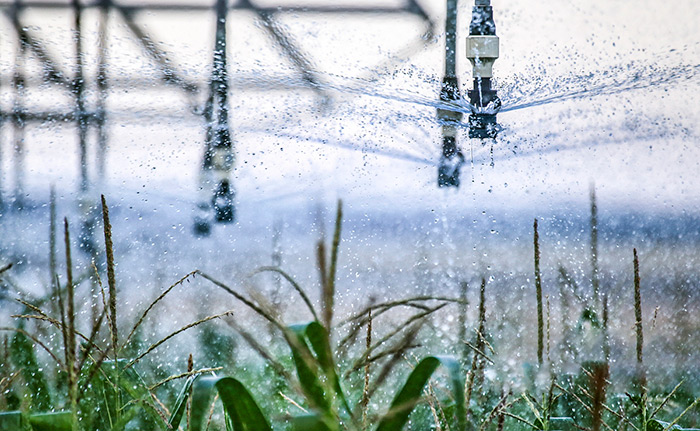
In agriculture, PVC valves control water flow in irrigation systems. They offer durability and lightweight characteristics. Their resistance to UV rays ensures longevity in outdoor environments. This aspect is crucial as studies show that over 30% of water gets wasted without proper flow regulation. But, improper installation can lead to leaks. These leaks are often overlooked until they cause significant damage.
In industrial settings, the versatility of PVC valves shines. They are used for various chemicals without corroding. However, not all PVC is created equal, and some can degrade under high pressure. Key data indicates that up to 15% of PVC products can fail in extreme conditions. This should prompt users to consider their specific requirements carefully. Choosing the right valve type can prevent costly downtime and repairs.
Maintaining PVC pipe valves is essential for their durability. Regular inspections are crucial. Look for any signs of wear or damage. A small crack can lead to leaks. It’s important to replace worn-out parts promptly. Using the right tools for repairs can make a significant difference.
Cleaning is another vital aspect of PVC valve maintenance. Debris can build up and affect performance. Use a gentle brush to remove any buildup. Avoid harsh chemicals that could damage the PVC. Rinsing with clean water is often enough to keep things running smoothly.
Sometimes, issues arise even with consistent care. A valve may not operate smoothly. This can be frustrating. It may need lubrication, or there might be an underlying issue. Regularly assessing performance helps in identifying potential problems early. Focus on consistency in maintenance routines. This approach will extend the life of your PVC pipe valves significantly.
The PVC valve industry has seen significant innovations in recent years. These advancements are often driven by the need for more efficient and sustainable solutions. For example, the global PVC valve market was valued at approximately $4.2 billion in 2022, with a projected growth rate of 4.5% annually through 2030. Newer valve designs utilize advanced materials, ensuring better durability and resistance to corrosion and chemicals.
One emerging trend in this industry is the development of smart valves. These valves feature IoT technology, allowing for real-time monitoring of flow rates and pressure. This data helps reduce waste and improve system efficiency. Industry reports indicate that smart valves could lower operational costs by up to 30%.
Tip: When selecting PVC valves, consider materials that enhance longevity against chemical exposure.
Another notable trend is the rise of eco-friendly manufacturing processes. Companies are increasingly focused on minimizing their environmental impact. Reports suggest that over 60% of manufacturers are investing in sustainable practices, which can lead to lower energy consumption and reduced waste.
Tip: Regular maintenance of valves can prolong their life and improve performance.
: The article aims to inform readers about specific topics. It provides insights and practical information.
The intended audience includes individuals seeking knowledge or guidance. They may have various interests.
The article covers topics in sufficient detail. Some areas might feel too compressed or superficial.
Yes, the article provides examples to illustrate points. Some examples could be clearer and more relevant.
It discusses common challenges in the field. Some solutions might not be effective for everyone.
The article encourages readers to reflect on the content. It suggests further exploration of the topics discussed.
The tone is informative and straightforward. At times, it may seem overly formal or detached.
The article may lack depth in some sections. Readers might need additional resources for comprehensive understanding.
Readers are encouraged to implement discussed strategies. Some suggestions may require adaptation to individual circumstances.
Yes, it attempts to clarify common misconceptions. Some information might still lead to confusion.
PVC pipe valves play a crucial role in various applications, offering reliable control over fluid flow in piping systems. Understanding the different types of PVC pipe valves and their specific materials is essential for selecting the right valve for any project. Factors such as pressure ratings, chemical compatibility, and installation requirements should guide choices to ensure optimal performance.
This article explores the most common types of PVC pipe valves, delving into their applications and use cases. Maintenance tips are provided to prolong the life of these valves, highlighting the importance of regular inspections and proper handling. Furthermore, the discussion on innovations and trends within the PVC valve industry provides insights into future developments, ensuring that users stay informed on the latest advancements in PVC pipe valve technology.