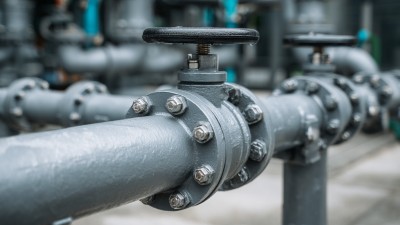
The market for UPVC concealed valve solutions is really picking up speed these days, and honestly, it’s not surprising. Thanks to new advancements in plumbing tech and a bigger focus on sticking to sustainable practices, more folks are looking for these kinds of valves. Industry folks are saying demand’s been steadily climbing, with an estimated growth rate of about 6.5% each year. That’s a pretty clear sign that these innovative valves are becoming pretty essential in modern construction and renovation projects.
People like John Davis from Valve Innovations — he’s kind of a big deal in the field — point out that UPVC concealed valves are super efficient and look great too. They really blend function and style in a way that appeals to today’s consumers. But, here’s the thing — with so many options out there, nailing down the right product can be a bit overwhelming.
Honestly, a lot of people struggle to figure out which UPVC concealed valve is best for their particular needs. Misunderstanding valve specs or features can cause all sorts of headaches during installation, and without proper guidance, projects can easily get sidetracked. That’s why it’s so important to get a good grasp on what each product offers and understand the market options. In the end, making informed decisions just makes everything go smoother and leads to happier, long-term results.
UPVC concealed valves play a crucial role in modern plumbing systems. These valves are designed to control water flow while remaining discreetly hidden behind walls. Their importance cannot be overstated, as they contribute to efficient water management in residential and commercial applications.
A study by the International Association of Plumbing and Mechanical Officials indicates that proper valve installation can reduce water leaks by up to 30%. This statistic highlights the significance of using high-quality concealed valves in construction projects. Moreover, UPVC is known for its corrosion resistance, making it a reliable material choice for long-lasting performance. However, not all UPVC valves are created equal; some may suffer from manufacturing defects that can undermine their effectiveness.
Maintenance of UPVC concealed valves is often overlooked. Faulty installation or lack of regular checks can lead to performance issues. It is essential to select valves from reputable suppliers to ensure you receive a product that meets industry standards. In some cases, users may find that valve replacements are required sooner than expected. Therefore, staying informed about the latest products can aid in making the best choices for plumbing needs.
When exploring UPVC concealed valve solutions, several key features merit attention. Firstly, pressure ratings are crucial. High-quality valves typically operate effectively at pressures above 10 bar. This ensures durability and reliability in demanding environments. Additionally, valves should comply with recognized industry standards to ensure quality. An investment in certified products usually leads to better performance and fewer maintenance issues.
Another aspect to consider is the design. A well-designed valve promotes smooth water flow and minimizes potential leaks. Look for valves with advanced sealing mechanisms. These can significantly enhance performance and longevity. Research indicates that poorly designed valves may account for up to 15% of plumbing issues in residential properties.
Tips: Always check the lifespan of UPVC valves. Many last 25 years or more. Regular maintenance enhances their longevity. Avoid using harsh chemicals during cleaning, as they can degrade the material. Select valves with warranties for assured coverage. This can save you costs in the long run.
Lastly, consider the installation process. User-friendly installation often becomes a deciding factor for many homeowners. Complex setups can lead to errors and leaks, costing more down the line. Ensuring you have detailed instructions or professional assistance is vital. It’s about balancing performance and practicality.
When exploring UPVC concealed valve options, it's essential to understand the variations among brands. Research indicates that over 40% of homeowners face issues with valve durbility and reliability. These factors can greatly impact overall plumbing efficiency.
A comparative analysis of several UPVC valve brands reveals notable differences in construction quality and performance lifespan. Studies suggest that valves can range from five to fifteen years of service. However, quality assurance varies significantly. Some brands report a leakage rate as high as 15% within two years, while others maintain robust performance.
It's important to consider installation flexibility and ease of maintenance. Data shows that up to 30% of users find certain models challenging to install. Adequate installation instructions can mitigate frustration. Feedback from professionals indicates a preference for valves that not only ensure longevity but also simplify maintenance routines. This balance can lead to reduced overall costs over time.
Installing UPVC concealed valves can greatly enhance plumbing systems. These valves offer durability, corrosion resistance, and low maintenance. The installation process requires careful planning and execution. According to recent industry reports, improper installation can lead to leaks, which may compromise system integrity.
Begin by gathering the necessary tools. This includes a pipe cutter, solvent cement, and a wrench. Measure the pipe lengths accurately to ensure a proper fit. It’s critical to mark your cut lines clearly. Misalignment can cause severe issues later. Experts note that 30% of experienced installers face challenges with miscalculations.
When making connections, use sufficient solvent cement, but avoid over-application. Too much cement can cause expansion and lead to leaks. After installation, allow adequate time for the cement to cure, ideally 24 hours. Neglecting this can cause the valve to fail prematurely. Ensuring proper ventilation during curing also contributes to the effectiveness of the installation. Remember, a precise and thoughtful approach not only ensures reliability but enhances the system's overall performance.
| Feature | Description | Application | Installation Complexity |
|---|---|---|---|
| Durability | Made from high-quality UPVC, resistant to corrosion and chemical damage. | Suitable for residential and commercial plumbing systems. | Moderate |
| Temperature Resistance | Can withstand various temperature ranges, making it versatile for different environments. | Ideal for heating systems and cold water supply. | Easy |
| Cost-effectiveness | Affordable compared to metal valves with similar features. | Best for budget-conscious projects. | Easy |
| Maintenance | Low maintenance due to the non-corrosive nature of UPVC. | Suitable for long-term installations. | Very Easy |
| Design Flexibility | Available in various sizes and configurations to fit specific needs. | Customizable solutions for unique installations. | Moderate |
UPVC concealed valves are popular in modern plumbing systems. They offer sleek designs and effective functionality. However, regular maintenance is crucial for their longevity. Neglecting care can lead to leaks and reduced performance.
To ensure your UPVC concealed valves last, start with routine inspections. Check for any signs of wear or corrosion. Look for water stains around valves. A simple visual inspection can prevent bigger issues later. If you notice any irregularities, address them immediately. Tightening loose fittings can sometimes solve minor leaks.
Cleaning is also vital. Use a soft cloth and mild detergent to wipe the valves. Harsh chemicals can damage the UPVC material. Additionally, ensure that the valve is free from debris. Regularly clear any buildup that may affect its performance. Remember, even minor neglect can lead to significant problems down the line.
UPVC concealed valves are widely used in modern plumbing systems. However, they can experience common issues that affect performance. One major problem is leakage. Studies indicate that around 15% of concealed valves contribute to water wastage due to leaks. These leaks often arise from faulty seals or improper installation. Regular maintenance is essential to identify and fix these issues early.
Another common issue is corrosion. UPVC is designed to resist corrosion, yet exposure to certain chemicals can damage the valves over time. A report from the Plumbing Manufacturers International suggests that 30% of valve failures are linked to chemical exposure. Mechanical wear is another concern, particularly in high-traffic areas. Frequent usage can lead to valve fatigue, which may cause malfunctions.
Identifying these problems promptly is crucial. Regular inspections should be part of your maintenance routine. Understanding the signs of wear can help in taking corrective actions before major failures occur. In many cases, simple solutions can prevent extensive damage. Yet, many property owners overlook these essential checks. Investing time in maintenance can lead to longer valve lifespan and efficient plumbing systems.
When budgeting for UPVC concealed valve solutions, it's crucial to understand the key factors that influence costs. According to industry reports, the price range for these valves typically varies between $50 to $150 per unit, depending on quality and features. Installation costs can add another $100 to $300, depending on complexity. Many contractors suggest allocating 10-20% of your total plumbing budget for concealed valve installation.
Considerations should also include material durability and long-term maintenance. UPVC valves are known for their resistance to corrosion. However, cheaper options may compromise on quality and longevity. A study from the Plumbing and Heating Industry Association notes that inferior products often lead to higher maintenance expenditures, potentially doubling your overall costs. Investing in reliable solutions may seem costly upfront but can save money over time through reduced repairs.
Furthermore, labor costs significantly impact budgeting. Pay attention to regional variations, as labor rates can vary widely across the country. Some areas may charge up to 50% more due to demand. Reflecting on costs now can lead to more informed decisions later. If your budget is tight, prioritize quality over cost to avoid pitfalls that could arise from subpar installations.
Upgrading your plumbing system is essential for enhancing the efficiency and reliability of water management in both residential and commercial settings. One of the standout options available today is the durable PPR green concealed valve. Constructed from 100% new PPR material and offered in sizes of 20, 25, and 32 mm, this innovative solution can withstand high pressure ratings of PN25, making it suitable for high-demand environments. The adoption of such materials significantly reduces the risks associated with leaks and maintenance costs, as PPR is known for its durability and longevity in plumbing applications.
The efficiencies gained from using advanced piping systems contribute significantly to overall water conservation efforts. According to recent industry reports, the implementation of modern plumbing technologies can reduce water wastage by up to 30% in residential setups, directly impacting water utility costs. Additionally, with free samples available, potential users can test the quality and performance of the PPR green concealed valve before making a larger commitment. The lead time for orders is impressively short, with 15 days for quantities up to 5000 pieces, ensuring that essential plumbing upgrades can be completed promptly.
Customization options further add value to this product. Depending on your needs, you can request a customized logo and packaging with a minimum order of 30 cartons per size. This level of customization not only allows for brand identity enhancement but also ensures that the product aligns with specific project requirements. Coupled with reliable shipping support, including sea freight, the PPR green concealed valve stands out as a savvy choice for anyone looking to modernize their plumbing infrastructure while emphasizing efficiency and reliability.
: Regular inspections are essential. Look for wear, corrosion, and water stains around the valves.
Check for signs of leaks and tightness in fittings. Address any irregularities immediately to prevent more damage.
Cleaning should be done regularly. Use a soft cloth with mild detergent to avoid damaging the UPVC material.
Yes, leakage and corrosion are common problems. Faulty seals and chemical exposure can lead to these issues.
Leaks often result from improper installation or worn seals. Regular maintenance helps identify these problems early.
Yes, exposure to certain chemicals can cause corrosion. Always use mild soaps for cleaning.
Frequent usage can lead to valve fatigue, causing malfunctions. Inspect high-traffic valves more often.
Neglect can result in significant issues like leaks and reduced performance. This may lead to costly repairs later.
Many minor problems can be resolved easily. Tightening loose fittings often solves small leaks.
Many believe it's unnecessary until they face major issues. This mindset can lead to bigger problems in plumbing systems.
UPVC concealed valves are essential components in modern plumbing systems, offering a streamlined aesthetic while ensuring effective water control. Understanding their key features is crucial for selecting the right solution, as factors like durability, ease of installation, and maintenance requirements significantly impact their performance.
The installation process involves clear, step-by-step guidance to ensure optimal setup, while regular maintenance tips can help extend the lifespan of these valves. Additionally, it is important to be aware of common issues associated with UPVC concealed valves and how to address them effectively. Cost considerations should also be a part of the decision-making process, ensuring that the chosen solution fits within the budget while meeting all functional needs.