0%

Picking the right CPVC valves really matters if you're dealing with any plumbing setup. Did you know that, according to a recent report from Global Market Insights, the CPVC valves market might hit around $1.2 billion by 2026? Crazy, right? That growth just shows how much people are looking for tough, corrosion-proof materials for all kinds of uses. Robert White, who's pretty much a go-to guy in plumbing materials, even said, 'Choosing the right valve can save you from expensive repairs later on.' So, it’s definitely worth paying attention to.

CPVC valves are awesome because they stand up well against heat and chemicals, which makes them super useful in a ton of different environments. But here’s the thing — not all CPVC valves are the same. The designs and features can vary a lot, and that can sometimes get pretty confusing. It’s really important to think about things like pressure ratings, the size, and whether it’ll fit with what you already have. Picking the wrong one could end up messing with your system’s performance or causing leaks — nobody wants that.

And honestly, a lot of people overlook these details. They see a valve that’s cheaper and assume it’s good enough. But in reality, it might not be the safest or most reliable choice. Taking some time to do your homework, maybe even chatting with a pro, can make a big difference. The right CPVC valve isn’t just about fixing an immediate problem — it’s about making sure your whole system stays in good shape for the long run.

Ultimate Guide to CPVC Valves Tips for Choosing the Right One?

Understanding CPVC Valves: An Overview of Their Functionality

CPVC valves play a crucial role in various piping systems. They are designed to control the flow of fluids, typically in residential and commercial applications. The functionality of these valves can significantly impact system efficiency. CPVC, or Chlorinated Polyvinyl Chloride, is known for its durability and resistance to high temperatures. This makes it an excellent choice for hot water systems and chemical distribution.

When choosing CPVC valves, consider their pressure ratings. Each valve has a specific pressure threshold. If exceeded, the valve can fail. Additionally, assess the valve’s compatibility with the fluids you plan to transport. Not all CPVC valves suit every application. Ignoring fluid compatibility can lead to leaks or blockages.

Tip: Always check for certifications. These ensure that the valves meet safety and performance standards. Evaluate the valve designs as well. Some feature handles for easy operation, while others may require tools for adjustments. A well-chosen valve can streamline maintenance and repair processes. However, neglecting to review specifications might lead you to the wrong valve for your needs. Reflect on your choices before making a purchase.

Key Factors to Consider When Choosing CPVC Valves

When selecting CPVC valves, several key factors come into play. Material compatibility is crucial. CPVC is known for its resistance to corrosion and heat. However, certain chemicals can compromise its integrity. According to industry reports, nearly 30% of valve failures result from incompatibility with transported materials. Ensuring your CPVC valves match the specific requirements of the application can mitigate this risk.

Another important factor is pressure ratings. Valves must be rated for the pressure they will encounter. Data indicates that improper pressure ratings contribute to nearly 20% of system failures. Over time, underestimating pressure needs can lead to leaks or complete failures. Regularly reviewing operational pressures might reveal unexpected needs or changes in the system.

Lastly, installation and maintenance ease should not be overlooked. Choosing valves that allow for straightforward installation can save both time and costs. Industry studies suggest that 25% of maintenance issues arise from complicated installations. Keeping a close eye on these aspects can lead to better long-term results, despite the initial challenges in selection.

Types of CPVC Valves and Their Specific Applications

Ultimate Guide to CPVC Valves Tips for Choosing the Right One?

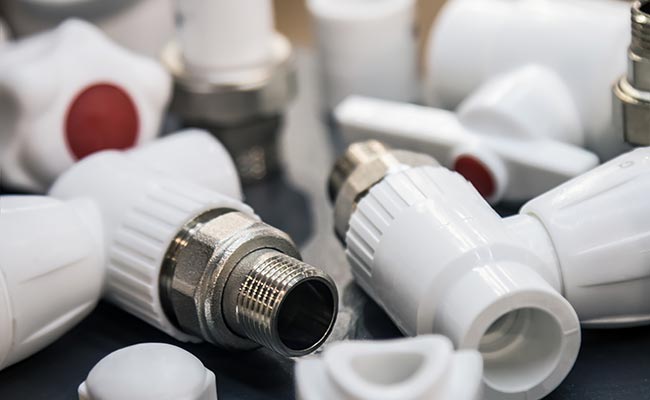
When choosing CPVC valves, understanding their types and applications is essential. There are several kinds, including ball valves, gate valves, and check valves. Each type serves specific functions in fluid control systems.

For instance, ball valves are known for their quick operation. They are ideal for on-off control. Gate valves, on the other hand, are best for regulating the flow of liquids. They work well in systems requiring minimal pressure drop. Check valves are crucial for preventing backflow. Consider these applications when selecting a valve.

Here are some tips: always consider the temperature and pressure ratings of CPVC valves. These specifications determine the valve's longevity. It’s also wise to reflect on the medium being transported. Different fluids may require different valve designs. Ensure that you plan your installation carefully. Each choice you make affects overall efficiency.

Comparison of CPVC Valves with Other Valve Materials

When comparing CPVC valves to other valve materials like brass or stainless steel, several factors come into play. CPVC, or chlorinated polyvinyl chloride, offers excellent resistance to corrosion. It is lightweight and can handle high temperatures. This makes it a suitable choice for many plumbing applications. However, it may not provide the same level of strength under extreme pressures as metal valves.

Brass valves are often praised for their durability and longevity. They can withstand high pressure and temperature, making them ideal for industrial environments. However, they are heavier and can corrode over time due to exposure to water and chemicals. Stainless steel has similar strength properties but is typically much more expensive. It also can be heavy, which might limit its use in certain installations.

Ultimately, the choice depends on the specific application. CPVC is cost-effective and suitable for residential plumbing. However, in scenarios needing robust mechanisms, metal options might be better. It's crucial to weigh these factors carefully. Sometimes, the ideal solution requires balancing cost and performance.

CPVC Valves vs Other Valve Materials

Installation Guidelines for CPVC Valves: Best Practices

Ultimate Guide to CPVC Valves Tips for Choosing the Right One?

Installing CPVC valves can be straightforward, but attention to detail is crucial. According to industry reports, improper installation can lead to leaks and premature failures. The American Society for Testing and Materials (ASTM) suggests that fittings should be properly aligned. Misalignment can cause stress and eventual damage. Always double-check your connections.

Temperature fluctuations can impact the performance of CPVC valves. Research indicates that prolonged exposure to high temperatures can weaken the material. Ensure your installation respects the recommended temperature limits. A quick rule of thumb: keep the ambient temperature below 180°F for optimal performance.

Sealants and adhesives must also be chosen carefully. Some products can adversely affect the CPVC material. The Plastics Pipe Institute emphasizes using compatible solvent cements only. Testing the seal after installation can save future headaches. Remember, sometimes, an installation may look perfect but can still fail without rigorous checks.

Maintenance Tips for Longevity of CPVC Valves

Regular maintenance of CPVC valves is crucial for their longevity. Check for leaks or cracks periodically. A small crack can lead to bigger issues later. If you notice discoloration, it might indicate wear. Don’t ignore these signs. Use a damp cloth to clean the surface regularly. Avoid harsh chemicals, as they can damage the valves.

Proper installation affects overall performance. Ensure that valves are not over-tightened during installation. This pressure can cause stress and lead to failures. Be mindful of temperature fluctuations too. High temperatures can warp the material. Inspect joints and connections to prevent potential leaks.

Replacement is sometimes necessary. Know when to replace a valve. If it shows significant wear, do not hesitate to act. Keeping spare parts on hand can save time and money. Regular inspections may reveal hidden issues. Recognizing these problems early can prevent unexpected shutdowns. Always prioritize safety and functionality in your maintenance routine.

Ultimate Guide to CPVC Valves Tips for Choosing the Right One? - Maintenance Tips for Longevity of CPVC Valves

Feature Importance Maintenance Tip
Temperature Rating Ensures valve can handle system conditions Regularly check system temperatures
Pressure Rating Critical for system reliability Inspect valves under pressure periodically
Material Quality Affects durability and performance Choose certified materials for replacements
Size Compatibility Ensures proper fit in the system Measure accurately before purchasing
Installation Type Impacts system layout and maintenance Follow manufacturer guidelines for installation

Troubleshooting Common Issues with CPVC Valves

CPVC valves are widely used in many plumbing systems. However, they are not immune to issues. Common problems include leaks, improper sealing, and valve sticking. These issues can arise from several factors, including improper installation or wear and tear. Identifying these problems early can prevent further damage.

Leaks often occur at the joints. This can be due to insufficient adhesive application. Make sure to apply the right amount and allow it to set properly. If a valve is sticking, check for dirt or debris. Cleaning the valve may resolve the issue easily. In some cases, you may need to replace the valve altogether. It’s vital to assess the condition regularly.

Another challenge many face is mismatched fittings. Using the wrong size can lead to complications. Always double-check your fittings before installation. If a valve doesn’t close properly, consider the alignment and the flow pressure. Achieving the right balance is crucial for function. In troubleshooting, patience is key. It’s okay to take your time to find solutions.

Exploring the Benefits and Applications of CPVC Ball Valves in Plumbing Systems for Efficient Water Supply Solutions

CPVC ball valves are increasingly recognized for their substantial benefits and applications in plumbing systems, particularly when it comes to ensuring efficient water supply solutions. Made of chlorinated polyvinyl chloride (CPVC), these valves are designed to withstand high pressures and temperatures, making them ideal for various environments, including residential and commercial settings. Their durability contributes to a long lifespan, reducing the need for frequent replacements and maintenance.

Available in sizes ranging from 1/2 inch to 2 inches, CPVC ball valves are versatile and can be easily integrated into existing plumbing systems. The seamless operation of these valves ensures that water flow is controlled efficiently, providing reliable shut-off capabilities when needed. With a minimal order requirement, users can acquire CPVC valves at an affordable price, such as the 1-1/2 inch valve offered at $0.10 per piece, catering to both small-scale projects and larger plumbing installations. Their lightweight nature and resistance to corrosion further enhance their applicability, making CPVC ball valves a preferred choice for plumbers and contractors alike.

FAQS

: What is the main focus of the articles?

: The articles mainly discuss effective communication and interaction skills.

Can anyone improve their communication skills?

Yes, communication skills can be developed through practice and feedback.

How important is non-verbal communication?

Non-verbal cues play a crucial role in conveying messages. They can enhance or contradict spoken words.

What is an example of poor communication?

Interrupting others during conversations often leads to misunderstandings.

How can one practice active listening?

Focus completely on the speaker, avoid distractions, and provide feedback during discussions.

What should I do if I feel misunderstood?

Clarify your points and ask for specific feedback. It’s okay to seek understanding.

Why is self-reflection important in communication?

Reflecting on past interactions helps identify areas for improvement and boosts confidence.

Are there cultural differences in communication?

Yes, different cultures have unique norms and practices that shape how people communicate.

What is an essential skill for effective communication?

Empathy is crucial. Understanding others' perspectives builds stronger connections.

Why do people struggle with expressing themselves?

Fear of judgment or lack of confidence can hinder open expression. It's common and can be addressed.

Conclusion

CPVC valves are a vital component in various plumbing and industrial applications, known for their durability and resistance to corrosion. Understanding their functionality is crucial when selecting the right valve for your needs. Key factors to consider include pressure ratings, temperature resistance, and compatibility with the specific fluids being transported. There are different types of CPVC valves, such as ball, gate, and check valves, each designed for specific applications.

When comparing CPVC valves with other materials, the advantages of CPVC, including lighter weight and lower installation costs, become apparent. Proper installation and maintenance are essential for ensuring their longevity, and following best practices can help prevent common issues. Troubleshooting any problems with CPVC valves can also extend their service life, providing reliable performance in a variety of settings. Overall, understanding these aspects will help in making informed decisions when choosing CPVC valves for any project.

Lila

Lila

Lila is a dedicated marketing professional at Ningbo Pntek Technology Co., Ltd., a leading supplier of plastic pipes, fittings, and valves with over a decade of exporting experience. With an in-depth understanding of the industry, Lila showcases not only her expertise but also the company's core......
Previous How to Choose the Right 1 Inch PVC Valves for Your Plumbing Needs

Application

Underground pipeline

Underground pipeline

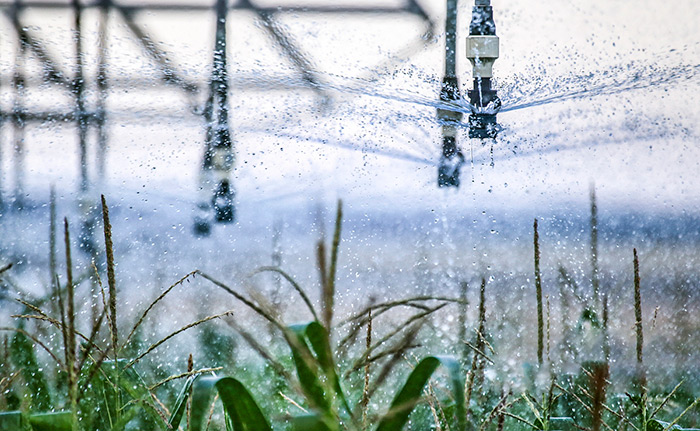
Irrigation System
Irrigation System

Water Supply System

Water Supply System

Equipment supplies

Equipment supplies