
When you're working on home improvement projects, you often need to think carefully about the materials and parts you're using. One important piece you might come across is the Angle Valve PVC. It's pretty handy because it helps control water flow in different plumbing setups. Getting to know how it works can really make your installs and repairs go a lot smoother.
Making sure you install the Angle Valve PVC correctly is key to avoiding leaks and keeping everything running nicely. Picking the right size and type can seem a bit daunting at first, but taking some time to explore your options definitely helps you figure out what’s best for your project. And honestly, even folks who’ve been at it for a while mess up sometimes!
Before jumping in, take a moment to honestly assess your skills. Ask yourself: why do you need an Angle Valve PVC? Is it for installing a new sink, or maybe upgrading an old plumbing setup? Thinking things through like that can help you make smarter choices. At the end of the day, choosing the right valve doesn't just improve how everything works—it can also boost your home's value a bit.

Understanding the Basics of Angle Valves and Their Applications
Angle valves are crucial in plumbing. These valves control water flow effectively. They are commonly used in residential and commercial settings. According to industry reports, about 40% of plumbing issues arise from improper valve installation. Understanding how angle valves function is vital for homeowners.
Angle valves connect two pipes at a 90-degree angle. This design saves space and offers more flexibility. They typically feature a handle that controls the flow. Using good quality materials enhances durability. However, not all valves are created equal. Homeowners should avoid low-grade options that can leak. A report from the Plumbing Manufacturers International highlights that 25% of leaks come from subpar products.
Improper installation can lead to problems over time. Leaks and rust are common issues with angle valves. Homeowners need to ensure proper sealing during installation. It may help to consult with professionals for effective results. Key data reveals that about 30% of DIY installations result in long-term plumbing issues. Each angle valve should be regularly inspected for wear. This habit promotes better water management and prevents costly repairs.

Analyzing the Impact of PVC Foot Valves on Water Management Efficiency: Insights from Industry Reports and Market Trends
In the context of enhancing water management efficiency, PVC foot valves play a crucial role in optimizing the flow dynamics essential for various industrial applications. As these valves are designed to prevent backflow in water systems, they ensure uninterrupted operations and maintain the integrity of water supply processes. Various industry reports indicate that the efficiency of water management systems can be significantly improved through the strategic use of properly sized foot valves, as they reduce energy consumption and enhance pumping efficiency.
When selecting PVC foot valves, it is imperative to consider their dimensional specifications to align with system requirements. The models range from DN 15 (1/2”) to DN 150 (6”), accommodating different pipe sizes and flow rates. For instance, a DN 25 (1”) valve may be suitable for smaller systems, while larger DN 100 (4”) models are ideal for extensive industrial setups. The effective implementation of the right valve size can reduce wear on pumps and related components, ultimately leading to longer equipment life and better overall efficiency in water management practices. Understanding these device parameters is vital for industry professionals aiming to leverage the full potential of their water systems.

FAQS
: The item is designed to enhance user experience and convenience. It aims to simplify daily tasks effectively.
It is usually straightforward. Follow the instructions provided for optimal results and ensure proper handling.
First, check the power source or connections. If the problem persists, consult the troubleshooting guide.
Yes, avoid overloading the item and keep it away from water. Read all safety warnings carefully before use.
Clean it with a soft cloth. Avoid harsh chemicals that could damage the surface and functionality.
Look for online resources or customer service options. They can provide detailed assistance with your concerns.
Many items come with a limited warranty. Check the documentation for specific terms and duration.
Some have upgrade options available. Check compatibility before making any modifications or enhancements.
While it caters to a broad audience, certain features may not be ideal for everyone. Reflect on your needs closely.
Misunderstanding the setup can lead to issues. Many users forget to read the manual thoroughly before use.
Conclusion
The "Ultimate Guide to Angle Valve PVC Tips for Home Improvement" provides a comprehensive overview of angle valves made from PVC, highlighting their basic functions and applications in various home improvement projects. It explores the different types of PVC angle valves available, outlining their unique benefits, such as durability, corrosion resistance, and cost-effectiveness.
Additionally, the guide includes essential installation guidelines, emphasizing best practices to ensure proper setup and functionality. Maintenance tips are offered to help homeowners prolong the lifespan of their angle valve PVC installations, while common troubleshooting issues are covered to assist in addressing potential problems. Finally, the article discusses industry standards and certifications that apply to PVC angle valves, ensuring that users are informed about quality and safety regulations relevant to their home projects.
Related Posts
-

Why Investing in Pvc Valve Socket Ends Can Enhance Your Pipeline Efficiency by 30 Percent
-

Innovative Solutions for Efficient Flow Control with Pvc Non Return Valve
-

Unlocking Efficiency: The Role of PVC Angle Valves in Modern Fluid Control Systems
-

Unlocking Efficiency: How PVC Union Valves Can Transform Your Plumbing System
-

Top 5 Benefits of Using PVC Non Return Valve for Efficient Fluid Control
-

Top 5 PVC Check Valves for Superior Flow Control?

Isabelle
Application

Underground pipeline
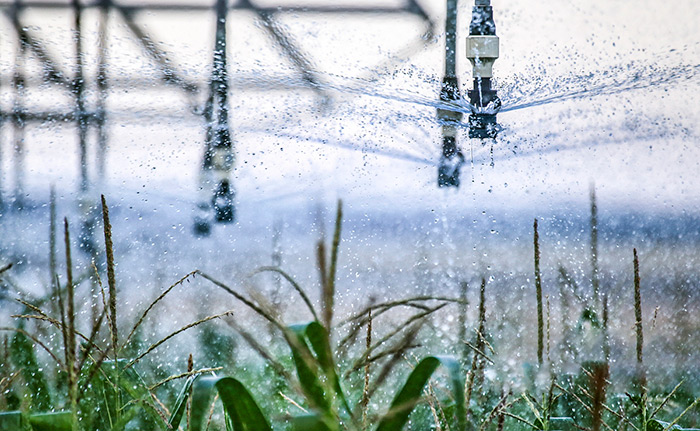
Irrigation System
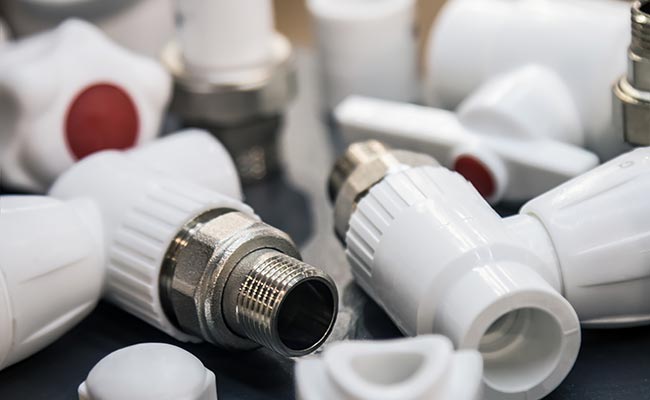
Water Supply System
