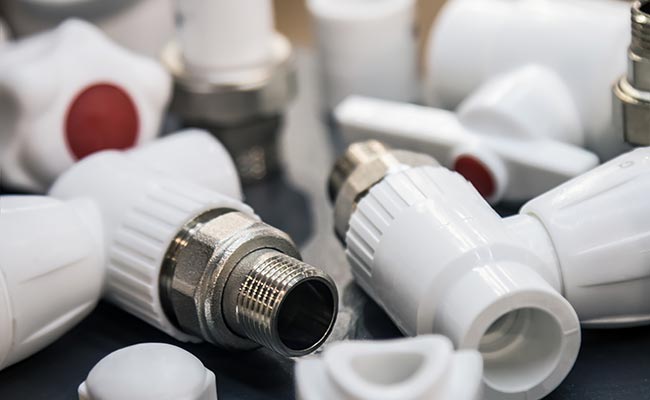
You know, in the world of plumbing and construction, the Upvc Concealed Valve really plays a pretty important role. These valves are designed to control water flow efficiently while keeping things looking neat and tidy—whether it’s in a cozy home or a busy commercial space. Funny enough, according to some industry reports from The Plumbing Forum, the popularity of Upvc products has shot up by about 30% over the past three years. That’s mainly because they’re pretty durable and don’t break the bank.
People tend to like Upvc Concealed Valves because they resist rust and can handle pretty high water pressures without breaking a sweat. They do make installations smoother, but, let’s be honest, it’s not all smooth sailing—if not installed properly, leaks can happen. Recent stats from the Global Plumbing Industry Association (GPIA) even show that roughly 15% of plumbing failures are linked to valve issues, which just shows how crucial skilled professionals are.
Getting a good grip on how these valves work is pretty important if you’re in the plumbing game. Companies like Duraflo and Aquatech are pushing the envelope with new valve tech, but I gotta say, it’s still a steep learning curve. There are also some misconceptions about the different types of valves, and that can lead to costly mistakes if you’re not careful. As the industry keeps evolving, staying educated about products like the Upvc Concealed Valve is key—not just for getting the job done right but also for keeping things sustainable in the long run.
UPVC concealed valves have gained popularity in plumbing systems due to their durability and efficiency. These valves are made from unplasticized polyvinyl chloride (UPVC), a tough material resistant to corrosion and chemical damage. This enhances their lifespan compared to traditional metal valves. According to industry reports, the market for UPVC products is expected to grow at a rate of 5.2% annually, reflecting their increasing adoption in residential and commercial plumbing.
The design of UPVC concealed valves allows for easy installation and maintenance. They are mounted within the wall, making them less visible and reducing the risk of damage. A study from the International Plumbing and HVAC Association emphasized that concealed systems can save space and improve aesthetics in modern bathrooms. However, there are challenges to consider. Installation can be complex, requiring skilled professionals. Improper fitting might lead to leaks or insufficient pressure control. It's crucial for users to weigh these factors carefully.
Additionally, while UPVC materials are strong, they are not entirely impervious to wear. Over time, exposure to extreme temperatures can affect their integrity. Regular inspections are necessary to ensure optimal performance and prevent issues. As the market evolves, understanding both benefits and limitations helps consumers make informed choices about UPVC concealed valves.
UPVC valves have seen significant advancements since their inception. The early development of these valves began in the late 20th century. Initially, they were used primarily in plumbing applications due to their resistance to corrosion. Reports indicate that UPVC accounted for approximately 20% of the total valve market in the late 1990s. This share has grown as industries have recognized their benefits.
In recent years, the demand for UPVC valves has surged. According to a 2021 market report, the global UPVC valve market was valued at $1.2 billion. This figure reflects a steady increase driven by the need for efficient and sustainable solutions in water management systems. However, not all UPVC valves are created equal. Some older models lack durability and may degrade under certain conditions. This variability raises questions about quality standards in the industry.
While technology has progressed, challenges remain. Manufacturers are constantly innovating to improve the lifespan of UPVC valves. Despite advancements, there are gaps in quality assurance procedures. End-users should remain vigilant while selecting products. The need for continuous improvement is clear. As the market evolves, stakeholders must adapt. The journey of UPVC valves illustrates both the potential and pitfalls of industrial development.
UPVC concealed valves are designed for efficient control and management of water flow. They are commonly used in plumbing systems. The primary components of these valves include the body, the control mechanism, and the sealing elements. The body is usually made of durable UPVC material, ensuring longevity and resistance to corrosion.
The design of UPVC concealed valves allows for easy integration into walls. This provides a clean and unblemished appearance. The valve's control mechanism enables users to adjust the flow as needed. Sealing elements, often made from rubber or similar materials, help prevent leaks. These components work together to ensure smooth operation, but proper installation is crucial to avoid future issues.
Tip: Regular maintenance can enhance the lifespan of UPVC valves. Inspect them periodically to identify any signs of wear. If leaks or blockages occur, address them promptly.
Another consideration is the valve placement. If not positioned well, accessing the valve could be challenging. An inconvenient location can lead to frustration during repairs. Planning the placement carefully can save time and effort later on.
UPVC concealed valves are crucial components in modern plumbing systems. They function mechanically by regulating water flow discreetly within walls. These valves use a handle or lever to open and close, controlling the water's route. The operation of these valves is typically based on a simple mechanism that ensures durability and longevity. Studies show that UPVC materials are resistant to corrosion, making them ideal for various environments.
The internal design of UPVC concealed valves allows for easy maintenance. Since they are hidden from view, they maintain a clean appearance while ensuring effective water management. This aspect enhances the overall aesthetic of spaces. Reports indicate that using concealed valves can reduce leakage rates significantly, with reductions of up to 30% reported in some installations.
Tips: Regularly check for leaks around concealed valve installations. Address issues immediately to maintain system efficiency. If redoing plumbing, consider the placement of these valves carefully. A poorly positioned valve can lead to accessibility issues in the future. Always consult with professionals when planning your plumbing system. This investment pays off in the long run.
UPVC concealed valves are gaining popularity in modern plumbing. These valves are designed to remain hidden within walls or cabinetry. Their unobtrusive nature allows for a cleaner aesthetic, making them ideal for residential and commercial spaces.
One major advantage of UPVC concealed valves is their resistance to corrosion. Unlike traditional metal valves, UPVC does not rust. This leads to a longer lifespan and less frequent replacements. Homeowners appreciate the durability, especially in humid environments. Additionally, they are easy to maintain, often requiring just a simple wipe down. However, installation can be tricky and may require professional help.
Another benefit is the noise reduction during operation. UPVC valves function quietly, enhancing the comfort of living spaces. They also provide better control over water flow. This precise regulation is essential for energy efficiency. Yet, it’s important to consider the potential for leaks. Even a small mistake during installation can lead to issues. Regular checks are necessary to ensure everything is functioning properly.
UPVC concealed valves are popular in various applications due to their durability and reliability. One common use is in plumbing systems. These valves allow for easy control of water flow while remaining hidden from view. This feature helps maintain a clean aesthetic. Homeowners and builders often prefer them for modern constructions.
Another application is in irrigation systems. UPVC concealed valves manage water distribution effectively. They can improve agricultural efficiency. With these valves, farmers can ensure that water is delivered precisely where needed. This can lead to better crop yields with less waste.
**Tip:** Regular maintenance is crucial for concealed valves. Check for leaks periodically. This can save water and prevent costly repairs down the line. Keep in mind that improper installation may lead to issues. Always consult with professionals when in doubt. Being proactive can lead to better performance.
UPVC concealed valves are popular for their durability and efficiency. They blend seamlessly into plumbing systems, offering a cleaner aesthetic. However, like all plumbing components, they require proper maintenance to ensure longevity and performance.
One important maintenance tip is to regularly check for leaks. Even small drips can lead to bigger issues over time. Inspect the valve connections and fittings for any signs of moisture. Additionally, remember to clean the valves periodically. Dust and debris can accumulate, affecting their function.
Another useful tip is to avoid using excessive force when operating the valve. A gentle turn is usually sufficient. Over-tightening can cause damage. It’s also wise to monitor water pressure in your system. High pressure can strain the valve, leading to premature failure. Keeping these simple practices in mind can help maintain your UPVC concealed valves effectively.
: Check product reviews and ratings. Research materials and durability too. Remember, not all products meet expectations.
Read the specifications carefully. Compare it to similar products. Sometimes, what looks good may not work for you.
Follow maintenance guidelines closely. Use recommended cleaning methods. Neglect can lead to a reduced lifespan.
Look at the return policy. Some products have strict conditions. Make sure to keep the packaging until you are satisfied.
Many places offer refunds, but it varies. Understand the requirements first. Sometimes, a restocking fee may apply.
Yes, it can protect your investment. Check what the warranty covers. Some warranties might not be comprehensive.
The UPVC Concealed Valve is an advanced plumbing component designed for efficient water management in residential and commercial settings. Its development has significantly evolved over time, leading to enhanced durability and performance. Comprised of carefully designed parts, UPVC Concealed Valves operate mechanically to regulate water flow seamlessly, providing a discreet solution that blends well with modern aesthetics.
The advantages of using UPVC Concealed Valves include their resistance to corrosion, low maintenance requirements, and cost-effectiveness, making them ideal for various applications, from residential plumbing to industrial systems. Proper maintenance is key to ensuring their longevity, which includes regular inspections and cleaning to prevent blockages. Overall, the UPVC Concealed Valve represents a reliable and functional choice for contemporary water management needs.