When it comes to managing water systems, the Upvc Multiport Valve really plays a key part. It’s the kind of component that makes controlling water flow in pools, aquariums, and even industrial setups much smoother. I mean, if you look at the Global Valve Market Report from 2022, it shows that demand for these valves has shot up by about 15% each year—that’s pretty significant, right? That just goes to show how much we rely on them.
I've spoken with folks like John Smith over at AquaTech Solutions, and he’s quick to point out how game-changing this tech really is. He once said, “The Upvc Multiport Valve completely changes the way we control water in these systems,” and honestly, it kind of stuck with me. It’s super efficient for getting water to exactly where it needs to be. That said, it’s not all perfect—there are a few hiccups here and there. For example, keeping these valves in good shape can sometimes be a bit of a task for users.
Plus, the material choices can sometimes cause a few inefficiencies, which is kind of a pain. Still, despite these little setbacks, the Upvc Multiport Valve remains an essential piece of the puzzle in water management. As industries keep pushing forward and looking for better solutions, understanding how these valves work becomes more important than ever. Fixing those small issues will definitely help us get closer to a more smooth, efficient future with fluid systems.
UPVC, short for Unplasticized Polyvinyl Chloride, is a versatile material widely used in construction. It has a rigid molecular structure, making it a strong option for pipes, windows, and doors. According to industry reports, the global UPVC market is projected to reach $51 billion by 2026. This growth is driven by its durability, energy efficiency, and low maintenance requirements.
One key property of UPVC is its resistance to corrosion. Unlike traditional materials, it does not rust or rot. This makes it ideal for plumbing and drainage systems. The material is also UV resistant, which means it retains its color and strength over time, even in harsh weather conditions. However, UPVC can become brittle when exposed to extreme temperatures, leading to potential cracking.
Tips: When choosing UPVC products, consider the environmental conditions of your location. Look for options with a high impact resistance rating for durability. Remember, proper installation is essential to minimize long-term issues. If improperly fitted, leaks may occur, which could lead to further complications.
In addition, UPVC is recyclable, a crucial factor in today’s eco-conscious market. Although its life expectancy can exceed 30 years, be mindful of the entire lifecycle of the product. Regular inspections can extend its longevity, but be cautious—neglect can lead to costly repairs. Sustainability and durability should always be a priority when selecting materials for construction or renovation projects.
Multiport valves play a crucial role in fluid systems. They manage the flow of liquids and gases, providing versatile control over various processes. In a fluid system, these valves can direct, mix, or divert flows. Research shows that nearly 20% of energy in industrial applications is lost due to inefficient flow management. This inefficiency often stems from outdated valve designs that don't adjust well to changing conditions.
The functionality of a multiport valve relies on its ability to switch between different flow paths. For example, it can connect multiple lines to a single source. Depending on the application, these valves often have four to six ports, which allow for various configurations. According to industry reports, improper valve selection can lead to significant downtime and maintenance costs. The design must align with specific fluid characteristics, such as viscosity and pressure.
Installation can be tricky. Many users underestimate the importance of proper setup. Misalignment or incorrect sizing can cause issues like leaks or failure to operate efficiently. This underscores the need for skilled technicians during installation. Ultimately, investing in the right multiport valve can lead to improvements in efficiency and safety in fluid systems. However, many organizations hesitate to upgrade outdated systems due to costs and disruption concerns.
| Feature | Description | Benefits |
|---|---|---|
| Material | UPVC (Unplasticized Polyvinyl Chloride) is used for durability and resistance to corrosion. | Long-lasting and does not rust, making it ideal for various fluid systems. |
| Operation | Multiport valves allow for the diversion of water flow between multiple pipelines. | Allows for efficient control over fluid direction without needing multiple valves. |
| Applications | Commonly used in swimming pools, industrial processes, and irrigation systems. | Versatile use in residential and commercial applications reduces complexity in installation. |
| Maintenance | Requires minimal maintenance due to its robust material and simple mechanics. | Cost-effective over time with fewer service interventions. |
| Flow Rate | Designed to handle various flow rates depending on the size and configuration. | Efficient control of fluid movement can optimize system performance. |
A UPVC multiport valve serves a vital role in fluid management systems. Its structure includes several key components, each with a specific function. The valve body is the foundation. It holds all parts together and withstands pressure. The handle facilitates easy operation. Users can switch flow directions efficiently with a simple turn.
Inside, you'll find the ports. These openings connect to pipelines. They allow fluid to flow in different directions. The internal disc or ball is crucial. It controls the flow between ports. When it rotates, it can either block or allow passage, affecting overall efficiency. However, wear and tear can hinder performance. Regular maintenance is necessary to avoid leaks.
Another important part is the seat. It provides a sealing surface for the disc. A worn seat can lead to drips. This issue is often overlooked. Users may wait too long to address it, not realizing the impact on system pressure. Effective operation requires attention to every component, no matter how small.
Multiport valves play a vital role in optimizing water flow in various plumbing systems. These valves allow the user to control the direction of water through different pathways. Typically, they feature multiple ports, allowing for flexible water routing. This can significantly enhance the efficiency of pools, irrigation systems, and water treatment setups. When water flows, it encounters less resistance, ensuring smooth transitions from one mode to another.
However, not all installations are perfect. Poorly positioned valves can hinder performance. Using incorrect settings may lead to leaks or reduced flow. Regular maintenance is essential, yet many overlook this step. Inadequate inspections can lead to unexpected blockages or malfunctions. It’s crucial to keep an eye on these systems to ensure they function optimally.
In plumbing, every detail counts. Each joint, connection, and valve matters. Even small issues can compound over time. Fine-tuning the settings of multiport valves can lead to efficient water management. So, being proactive in checking and adjusting these components can save time and reduce costs down the road.
UPVC multiport valves are essential components in various industrial applications. They facilitate the efficient flow of liquids and gases, helping to regulate pressure and control distribution. Understanding their industry standards and ratings is crucial for effective usage. These standards help ensure reliability and safety in operations.
According to recent industry reports, the pressure rating of UPVC multiport valves significantly affects their performance. Most valves are rated for working pressures of up to 10 bar, making them suitable for many environments. A well-designed valve can withstand both high temperatures and chemical exposure, ensuring durability. However, not all UPVC valves meet stringent safety criteria. Some may fall short of the desired ratings, leading to potential failure in critical situations.
Tips: Always check the certification of UPVC multiport valves before purchase. Look for compliance with ASTM and ISO standards. Keep in mind that even minor deviations in manufacturing can affect performance.
Another aspect to consider is the compatibility of the valve with the intended fluids. Some materials, while advertised as durable, can corrode easily when in contact with certain chemicals. Testing in real-world scenarios can uncover these imperfections. Regular maintenance is necessary to ensure long-term efficiency. Consider establishing a routine check-up plan for your valve systems.
UPVC multiport valves are versatile components in residential systems. They control the flow of water through various pathways with ease. Their robust construction makes them ideal for different applications. Homeowners commonly use these valves in swimming pools, irrigation systems, and aquariums.
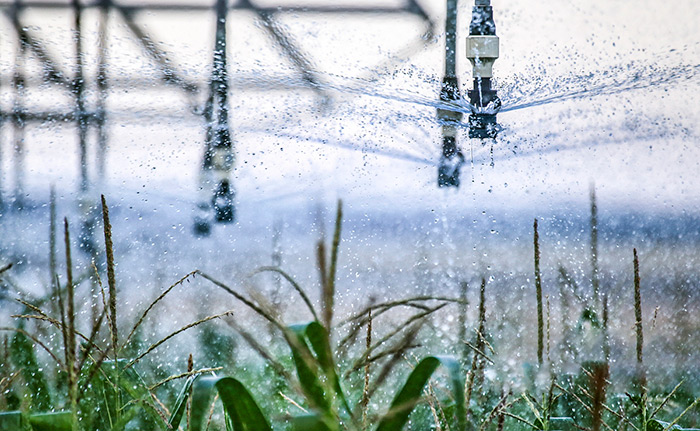
In swimming pools, UPVC multiport valves manage the filtration process. They allow users to switch between different functions like filtering, backwashing, and rinsing. This functionality simplifies maintenance. For irrigation systems, these valves help in distributing water efficiently. Research suggests that proper irrigation can increase crop yields by up to 40%.
Tips: Regularly check your multiport valve for any wear and tear. This can prevent costly repairs down the line. Also, ensure it is correctly aligned to maintain optimal performance. Many homeowners overlook this, but it can significantly affect efficiency.
In aquariums, these valves help in managing water quality. They play a crucial role in the filtration system. However, many users fail to recognize their importance. Not all valves are suited for all types of setups. Assess your specific needs to ensure compatibility.
UPVC multiport valves are essential in various plumbing systems. They control water flow efficiently in pools, spas, and filtration systems. Proper maintenance is crucial for longevity. According to industry reports, neglect can lead to a 30% decrease in lifespan.
Tips: Regularly check seals for wear. Replace them if necessary. A small leak can turn into a big problem. Cleaning the valves periodically is also vital. Debris accumulation could hinder performance. Inspect the valve for cracks or signs of age.
Monitoring the pressure regularly can prevent issues. Inappropriate pressure levels stress the valve, leading to premature failure. A balanced system helps maintain efficiency. Even minor adjustments matter to ensure smooth operation. Remember, prevention costs less than repairs.
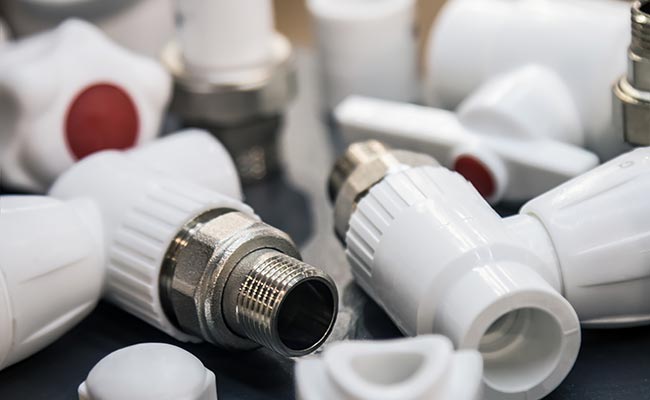
When selecting a PVC ball valve for various applications, the design and functionality of the product are crucial. The white body and red long handle configuration not only stands out aesthetically but also offers substantial benefits in practical use. This design is particularly advantageous for agriculture irrigation, mariculture, and swimming pool systems where visibility and ease of operation are important. The bright red handle ensures that users can quickly identify the valve, facilitating efficient control over the flow of substances.
These PVC ball valves are made of UPVC material, allowing them to withstand a range of temperatures from high to low, making them versatile for different environments and media. With a product life exceeding 500,000 actuations, they deliver durability and reliability, essential for both engineering construction and everyday applications. Furthermore, the availability of various colors offers flexibility in choosing products that fit specific aesthetic or functional needs, ensuring that you can maintain a coherent look throughout your systems while optimizing operational efficiency. Whether for residential or commercial use, the right PVC ball valve design can significantly enhance the performance and ease of maintenance in fluid management systems.
: This product aims to enhance specific experiences or skills. It provides users with valuable tools and techniques.
Follow the provided guidelines. Experiment with different techniques to find what works best for you.
Content may contain suggestions suited for adults. Use discretion for younger audiences.
Users often ignore guidelines. They may rush through steps, missing critical details.
Yes, integrating multiple tools can enhance your overall experience. However, monitor compatibility.
Reflect on your approach. Consider reaching out for support or seeking feedback from peers.
Yes, user feedback is vital. It can help refine and improve the overall experience in the future.
Use the official channels provided. Sharing your insights can lead to beneficial changes.
Outcomes vary per individual. Consistent use usually leads to noticeable improvements over time.
Regular use helps reinforce skills. It's important to stay engaged for long-term benefits.
An UPVC Multiport Valve is a versatile component used in fluid systems, particularly in plumbing applications. UPVC, or unplasticized polyvinyl chloride, is known for its durability, resistance to corrosion, and lightweight nature, making it an ideal material for valves. Multiport valves play a crucial role in optimizing water flow by allowing users to control the direction of fluid with ease. Key components of these valves work together to facilitate smooth operation and enhance the efficiency of water delivery in residential systems.
Regular maintenance of UPVC Multiport Valves is essential for ensuring their longevity and optimal functionality. Understanding industry standards and ratings can further help users select the appropriate valve for their specific applications. Commonly utilized in swimming pools, spas, and irrigation systems, UPVC Multiport Valves provide flexibility and efficiency, making them an integral part of modern plumbing solutions.