You know, UPVC valves have really become a vital part of many industries these days. They're known for being tough, chemically resistant, and surprisingly lightweight, which makes them super practical. Most of these valves are made from unplasticized polyvinyl chloride—fancy term, but basically meaning they’re durable and reliable for handling fluids in piping systems. As John Dunne, a well-respected engineer from Fluid Dynamics Corporation, puts it, "The versatility and reliability of UPVC valves have totally changed the game for modern piping, making everything safer and more efficient."
In this article, we’re going to dive into the different types of UPVC valves, where they’re used across various sectors, and all the benefits they bring to the table. From chemical plants to water treatment setups, these valves are pretty much essential for smooth fluid control. Getting a grasp on all this not only shows you how important they are in today’s industry but also helps in picking the right valve for your particular needs. Whether you’re a seasoned pro or new to this, I think you’ll find this guide pretty helpful for understanding the world of UPVC valves.

Types of UPVC Valves: A Comprehensive Overview
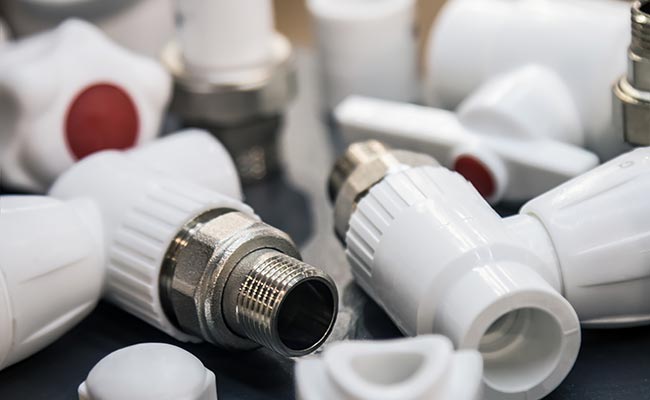
UPVC valves are vital components in various piping systems due to their durability and resistance to corrosion. There are several types of UPVC valves, each designed for specific applications. The most common types include ball valves, butterfly valves, and gate valves. Ball valves feature a spherical disc that provides excellent sealing capabilities, making them ideal for on-off control in water supply and drainage systems. Butterfly valves, on the other hand, use a rotating disc to regulate flow, known for their compact design and lightweight nature, making them suitable for larger pipelines. Gate valves are used primarily for fully opening or closing the flow, allowing for minimal pressure drop when fully opened.
In addition to their functionality, UPVC valves are popular due to their chemical resistance. They can withstand a wide range of fluids, including acidic and alkaline solutions, making them particularly useful in industrial applications. Furthermore, UPVC valves are lightweight compared to metal alternatives, which simplifies installation and reduces the overall load on the piping system. Their low thermal conductivity also means they are less prone to temperature-induced damage, enhancing longevity. As a result, these valves are an excellent choice for various sectors, including agriculture, manufacturing, and residential plumbing.
Common Applications of UPVC Valves in Various Industries
UPVC valves are essential components widely utilized across various industries due to their durability, resistance to corrosion, and lightweight properties. In sectors such as water treatment, agriculture, and chemical processing, UPVC valves facilitate the efficient flow of fluids. According to a report by MarketsandMarkets, the UPVC valve market is projected to grow significantly, with a compound annual growth rate (CAGR) of over 5% between 2021 and 2026, highlighting the increasing adoption of these valves in industrial applications.
In the water supply and sewage treatment industries, UPVC valves are favored for their ability to withstand challenging environmental conditions and provide a long service life. The global demand for freshwater and efficient waste management solutions has seen an uptick, and UPVC valves play a crucial role in pioneering these advancements. A study by Research and Markets noted that the water treatment sector alone is expected to account for a substantial share of the UPVC valve market, driven by the need for reliable and cost-effective solutions.
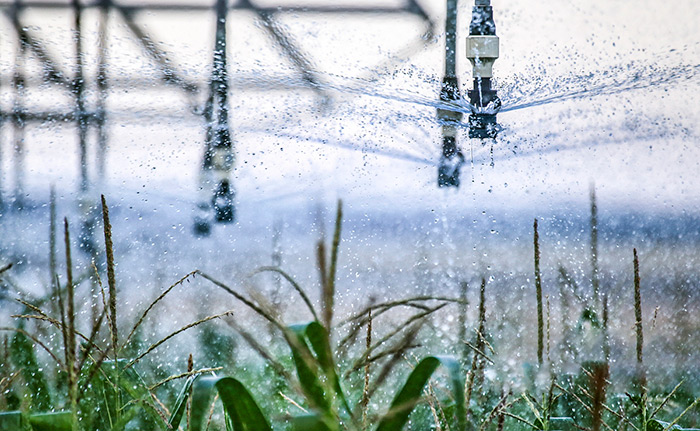
Additionally, the chemical industry often relies on UPVC valves for handling aggressive media due to their excellent chemical resistance. Their applications extend to irrigation systems in agriculture, providing a sustainable method for water management. The versatility of UPVC valves not only ensures operational efficiency but also contributes to reducing maintenance costs across these sectors, making them a vital aspect of modern industrial infrastructure.
Benefits of Using UPVC Valves Over Traditional Materials
UPVC valves are gaining popularity in various industries due to their numerous advantages compared to traditional materials like metal and PVC. One of the primary benefits is their resistance to corrosion and chemical degradation. Unlike metal valves, which can rust and deteriorate in harsh environments, UPVC valves maintain their structural integrity and functionality over time, making them ideal for applications in chemical processing, water treatment, and irrigation systems.
Another significant advantage of UPVC valves is their lightweight nature, which simplifies installation and reduces labor costs. These valves are easier to handle, transport, and install than their metal counterparts, leading to quicker project completion. Furthermore, UPVC valves offer excellent thermal insulation properties, which prevents heat loss and contributes to energy efficiency in various applications. The low thermal conductivity of UPVC helps in maintaining the desired fluid temperature, proving advantageous in many industrial processes. Overall, the benefits of using UPVC valves over traditional materials make them a smart choice for a wide range of applications.
How UPVC Valves Contribute to Environmental Sustainability
UPVC valves are gaining recognition for their significant role in promoting environmental sustainability. UPVC, or unplasticized polyvinyl chloride, is a durable material that is resistant to corrosion and chemicals, making it an ideal choice for a variety of applications without contributing to environmental degradation. According to a report from the Global Plastic Pipes Market, the use of UPVC in piping systems can reduce the need for frequent replacements, which not only conserves resources but also minimizes waste generation. This longevity means that UPVC valves contribute to a more sustainable lifecycle when compared to traditional metal valves, which may corrode or require more frequent maintenance.
Furthermore, UPVC valves are often used in water treatment facilities and irrigation systems, essential components in effective water management strategies. A study published by the Water Research Foundation found that implementing UPVC valves in these systems can lead to significant energy savings, estimated at around 20% compared to conventional alternatives. This energy efficiency is vital in reducing the carbon footprint associated with water management, contributing to broader environmental goals such as reducing greenhouse gas emissions. By integrating UPVC valves in various applications, industries are not only opting for more sustainable materials but are also fostering innovative practices that support environmental preservation and resource conservation.
What is UPVC Valves? Types, Uses, and Benefits Explained - How UPVC Valves Contribute to Environmental Sustainability
| Type of UPVC Valve |
Common Uses |
Benefits |
Environmental Contribution |
| Ball Valve |
Water supply and management |
Durability, low friction loss |
Reduces water leakage, sustainable usage |
| Gate Valve |
Isolation and shut-off in pipelines |
Minimal pressure drop, strong sealing |
Minimizes energy consumption |
| Check Valve |
Prevent backflow in water lines |
Automatic operation, reliable performance |
Protects ecosystems by preventing contamination |
| Globe Valve |
Flow regulation in piping |
Precise control, effective throttling |
Encourages efficient water use and conservation |
| Butterfly Valve |
Flow control in large pipes |
Lightweight, quick operation |
Reduces carbon footprint through efficient design |
Installation Guidelines for UPVC Valves: Best Practices
When installing UPVC valves, adhering to established best practices is crucial to ensure optimal performance and longevity.
According to industry reports, improper installation can lead to a significant increase in maintenance costs, sometimes exceeding 30% of an initial investment in plumbing systems.
To mitigate such risks, it is essential to begin with a thorough assessment of the installation site, ensuring that the area is clean and free from debris.
This also involves verifying that the valves are compatible with the existing piping system and that an appropriate sealant is used to prevent leaks.
The orientation and positioning of UPVC valves also play a pivotal role in their efficiency. They should be installed to allow for easy access during maintenance and should be positioned in alignment with the flow of the fluid.
Proper torque specifications should be adhered to when tightening fittings, as overtightening can lead to damage, akin to what recent studies have suggested;
up to 15% of valve failures can be traced back to improper torque application.
Furthermore, regular inspections and maintenance schedules should be established post-installation to ensure that UPVC valves function effectively, maximizing their lifespan and reducing the likelihood of failure.
Utilizing these best practices can significantly enhance the reliability of UPVC systems and reduce future repair costs, confirming the advantages of this robust piping solution.
Maintenance Tips for Ensuring Longevity of UPVC Valves
To ensure the longevity of UPVC valves, regular maintenance is essential. UPVC valves are popular for their durability and resistance to corrosion, but neglecting their upkeep can lead to performance issues. One of the key maintenance tips is to regularly inspect the valves for signs of wear or damage. This can include checking for leaks or cracks in the valve body, which can compromise their functionality. Addressing minor issues promptly can prevent more significant problems down the line.
Additionally, cleaning the valves periodically is crucial. Accumulation of dirt and debris can hinder their operation. A simple wash with soap and water, followed by a thorough rinse, can help maintain their performance. Furthermore, it’s beneficial to lubricate any moving parts with a suitable lubricant to ensure smooth operation. This not only enhances the valve’s efficiency but also extends its lifespan.
Lastly, ensure that the valves are properly installed and aligned within the piping system. Misalignment can lead to undue stress and premature failure. It is advisable to follow the installation guidelines carefully and check the alignment during routine checks. By implementing these maintenance tips, users can greatly enhance the durability and reliability of their UPVC valves, ensuring they operate optimally over time.
UPVC Valves Usage and Benefits
This chart illustrates the common types of UPVC valves used in various industries, showing their percentage of usage, alongside their benefits. The data reflects relevant metrics based on industry standards.
Troubleshooting Common Issues with UPVC Valves
When troubleshooting common issues with UPVC valves, it’s essential to first identify the signs of malfunction. Some typical problems include leaks, difficulty in opening or closing, and unusual sounds during operation. Leaks can often be traced back to worn-out seals or improper installation, while issues with operation may indicate a buildup of dirt or debris within the valve. Regular maintenance, including cleaning and inspection of the valve components, can help prevent these issues before they escalate.
Tips for maintaining UPVC valves include regularly checking for leaks and ensuring that all connections are tight. Use a soft cloth to clean any visible dirt from the valve surfaces, and consider applying lubricants specifically designed for UPVC materials to enhance functionality. If a valve is hard to turn, inspecting and possibly replacing the internal components can help restore its proper function.
Additionally, always ensure that the valve is installed according to manufacturer guidelines to avoid operational issues. Using the right tools and techniques during installation can significantly reduce the incidence of leaks or mechanical failure. When in doubt, consulting a professional can provide further insights and ensure that your UPVC valve system operates smoothly.
Global Market Analysis and Trends for UPVC PVC Ball Valves: Insights from 2022 China Valves Factory Data
The global market for UPVC and PVC ball valves has seen noteworthy trends in recent years, particularly highlighted by recent data from China’s valve factories in 2022. This analysis reveals not just the competitive pricing model for these essential industrial components, which range from $0.18 to $2.00 per piece depending on order quantity and specifications, but also underscores the increasing demand for customized solutions within this segment. With a minimum order quantity starting at 2,000 pieces, manufacturers are positioned to meet the requirements of both large-scale enterprises and smaller projects looking for reliable valve solutions.
Different sizes, including options from 1/2 inch to 2 inches, cater to a variety of applications, enabling flexibility in installations across industries. The medium pressure rating of these PVC valves indicates their suitability for multiple operational environments. Additionally, with customization options available for logos and packaging on bulk orders, companies can enhance their branding and product presentation effectively. Notably, the logistics involved, such as lead times for orders of up to 5,000 pieces being estimated at around 15 days, underline the efficiency of suppliers in meeting market demands while also offering sea freight options for broader accessibility.
FAQS
: UPVC valves are durable, lightweight, and resistant to corrosion, making them ideal for efficient fluid flow in industries like water treatment, agriculture, and chemical processing.
UPVC valves are essential in water supply and sewage treatment, able to withstand harsh environments while providing a long service life, which is crucial for freshwater conservation and waste management.
The UPVC valve market is projected to grow at a CAGR of over 5% from 2021 to 2026, indicating increasing adoption in various industrial applications.
UPVC valves are effective in water treatment facilities, irrigation systems, and the chemical industry, where they can handle aggressive media and support sustainable practices.
The longevity and durability of UPVC valves reduce the need for frequent replacements, decreasing resource consumption and waste generation, thereby promoting environmental sustainability.
Regularly checking for leaks, cleaning dirt from surfaces, lubricating components, and ensuring tight connections can help maintain UPVC valves and prevent operational issues.
If a UPVC valve is hard to turn, inspecting and potentially replacing its internal components is advisable to restore proper functionality.
Leaks can often be traced to worn seals or improper installation, so it's essential to inspect these areas and perform regular maintenance to ensure optimal performance.
Adhering to installation guidelines helps prevent operational issues such as leaks or mechanical failure, ensuring that the UPVC valve system functions effectively.
Consulting a professional for insights and assistance can help resolve persistent issues and ensure that the UPVC valve system operates smoothly.
Conclusion
UPVC valves are essential components in various industries, offering a range of types suited for different applications. These valves are widely used in sectors such as agriculture, plumbing, and industrial processes due to their durability, resistance to corrosion, and lightweight nature. The transition from traditional materials to UPVC valves presents numerous benefits, including longer service life, lower maintenance costs, and enhanced performance in various environments.
Additionally, UPVC valves contribute to environmental sustainability by reducing the need for frequent replacements and minimizing waste. Proper installation and maintenance are crucial for maximizing their longevity, with best practices ensuring optimal performance. This article aims to provide a comprehensive overview of UPVC valves, touching on common applications, benefits, maintenance tips, and troubleshooting methods, making it a valuable resource for anyone seeking to understand these versatile components.