
Choosing the wrong thread type for your PVC fittings leads to frustrating leaks. These leaks cause water damage, project delays, and force you to re-do the work, costing you time and money.
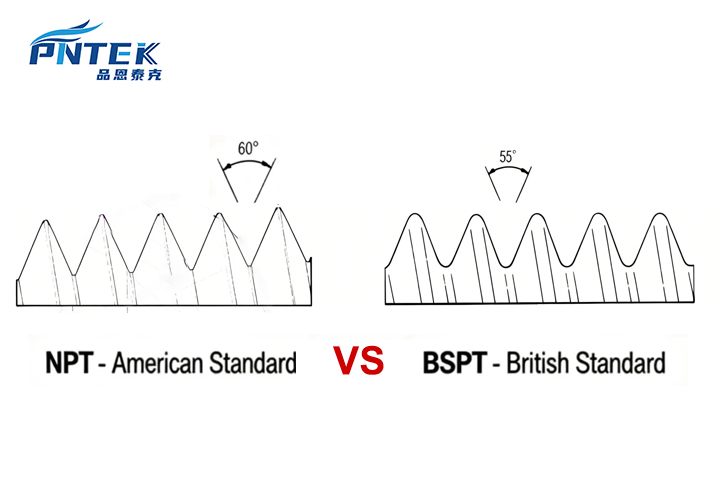
NPT and BSPT are two different standards that are not compatible. NPT is the American standard with a 60° thread angle. BSPT is the British standard with a 55° thread angle. You must match the thread type to your pipe.
This is a topic I discuss often with my partner Budi in Indonesia. In global trade, small details like thread standards can make a big difference. The Southeast Asian market sometimes uses the American ANSI standard, which includes NPT, especially for specific projects. However, many regions prefer BSPT. Understanding the fundamental difference between these two is the first step to ordering the correct parts and ensuring your customers can build strong, leak-free systems. Let’s look at what sets them apart.
What is the real difference between BSPT and NPT threads?
The threads on two fittings look almost identical. Making a mistake by assuming they are the same can strip the threads and ruin the fitting, forcing a replacement.
The key differences are the thread angle and pitch. NPT threads have a 60-degree angle, while BSPT threads have a 55-degree angle. This small difference prevents them from ever creating a proper, secure seal together.
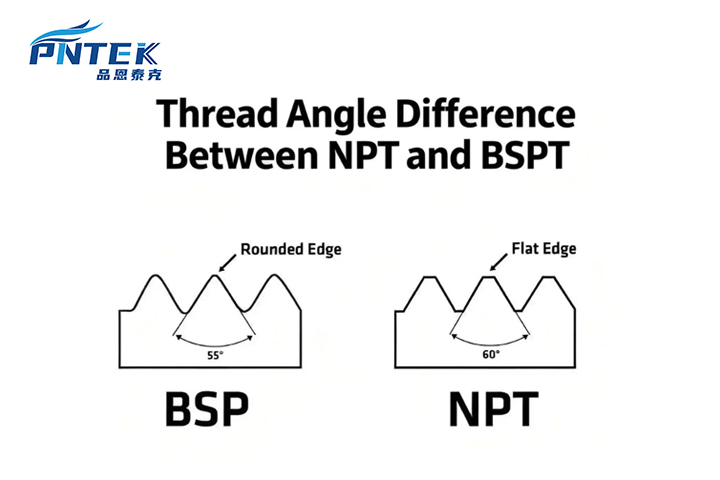
At first glance, you might not see the difference. But the engineering behind them is completely distinct. It comes down to two main points: the shape of the individual threads and the way they seal. The NPT (National Pipe Taper) standard uses threads with flattened peaks and valleys. BSPT (British Standard Pipe Taper) threads have a rounded, Whitworth profile. The most critical difference is the angle. This mismatch in angle means if you try to screw an NPT fitting into a BSPT fitting, only the very tips of the threads will touch. This creates a weak connection that will leak under pressure and can easily be stripped. They are simply not designed to work together.
NPT vs. BSPT: Key Technical Differences
| Feature | NPT (American Standard) | BSPT (British Standard) |
|---|---|---|
| Thread Angle | 60 degrees | 55 degrees |
| Thread Profile | Flattened peaks and valleys | Rounded peaks and valleys |
| Primary Seal | Threads wedging together (taper) | Sealant on threads |
| Common Region | North America | Europe, Asia, Australia, Global |
Is NPT or BSP a better thread standard?
You want to stock the best and most useful type of threaded fittings. Stocking the wrong standard for your market will lead to slow-moving inventory and unhappy customers.
Neither standard is technically “better” than the other; they are just different. The best choice is the one that is standard in your geographical region and matches the equipment your customers are using.
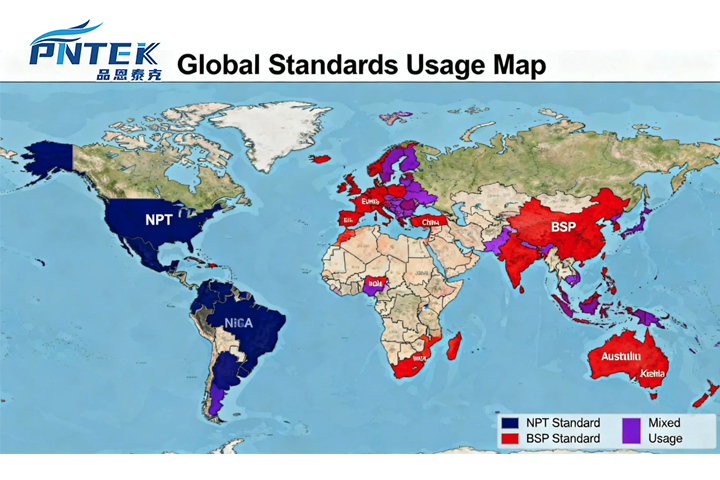
This is a question of location, not quality. NPT is the dominant standard in the United States and Canada. If you are working on a project designed by an American firm or using American equipment, you will almost certainly need NPT fittings. BSP, on the other hand, is the adopted standard in most other parts of the world, including Europe, the UK, Asia, Australia, and South Africa. For Budi’s market in Southeast Asia, it can be mixed. I know that many local and European-influenced projects will demand BSPT. However, projects with American investment or engineering often specify ANSI standards, meaning NPT. The “best” valve is the one that screws perfectly into your customer’s pipe. That is why it is so important to ask and confirm which standard is needed for each specific project.
Are NPT threads common on PVC fittings?
You are ordering PVC ball valves and need to choose a thread type. You need to know if plastic fittings can even be made with these common metal pipe threads.
Yes, PVC fittings are very commonly manufactured with both NPT and BSP threads. This allows plastic piping systems to easily connect to threaded metal pipes, pumps, and other standard plumbing components.
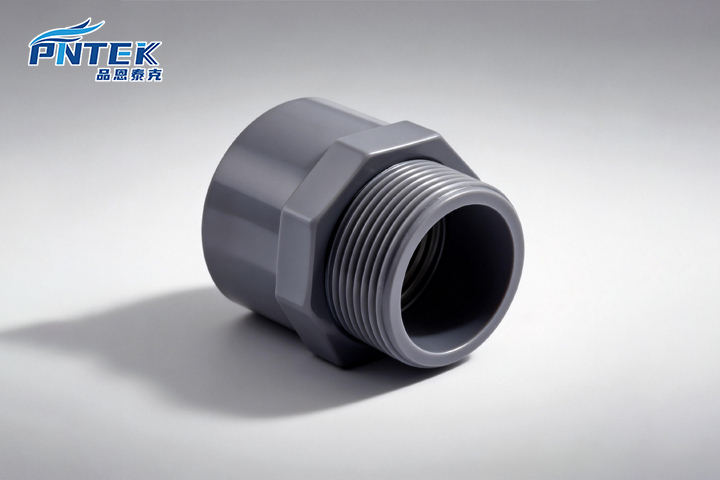
At Pntek, we manufacture a huge range of PVC fittings with both NPT and BSP threads to serve our global partners. Threading is a standard way to create a connection that can be assembled and disassembled. However, it is important to consider the strength of the plastic. The process of cutting threads removes material and creates a point of stress. For this reason, we always recommend using thicker-walled Schedule 80 PVC for threaded connections, especially in systems with higher pressure or mechanical stress. While you can thread Schedule 40 pipe and fittings, their pressure handling capacity is significantly reduced. Using a factory-molded threaded PVC fitting is always more reliable than cutting threads into a plain pipe yourself.
Can you connect BSPT and NPT threads together?
You have a female NPT fitting and a male BSPT pipe in the field. It seems like it might screw in, and you are tempted to force it to finish the job.
No, you must never connect BSPT and NPT threads directly. The mismatched angles will cause them to bind, cross-thread, and damage the fittings. This creates a weak joint that is guaranteed to leak.
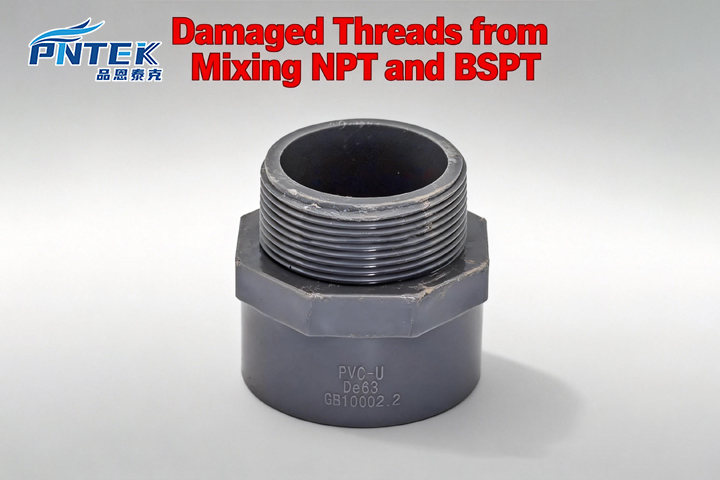
Trying to force these two standards together is a recipe for failure. Because the thread angles and pitches are different, they cannot mesh properly. What happens is a process called “cross-threading,” where the crest of one thread cuts into the root of the other instead of sitting smoothly. This will permanently damage both the male and female threads. Even if you use a large amount of thread sealant tape, it will not fill the gaps created by the mismatched geometry. The connection will leak as soon as the system is put under pressure. The only correct and professional way to join a BSPT system to an NPT system is by using a special adapter fitting. These adapters are made with the correct female and male threads on opposite ends to create a secure, leak-proof transition.
Conclusion
NPT and BSPT are different, incompatible standards. The right choice is determined by your project’s location and specifications. Always confirm the required standard to ensure a secure, reliable, and leak-free connection for your PVC fittings.
Post time: Jan-08-2026


