Are you worried about choosing the wrong connector for your water lines? A mismatched fitting on a PE pipe can lead to leaks, pressure loss, and expensive, disruptive repairs.
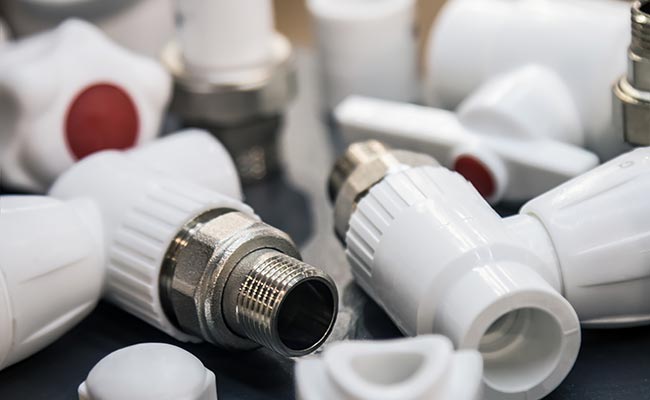
PE fittings are connectors designed specifically for Polyethylene (PE) pipes. They create secure joints for this flexible and durable material using methods like mechanical compression or heat fusion, ensuring a leak-proof and long-lasting plumbing or irrigation system.

The reliability of any pipe system comes down to its connections. As someone who has built a company around world-class water management solutions, I know that a pipe is only as strong as its weakest joint. For a purchasing manager like Carlos, stocking the right fittings isn’t just about fulfilling an order; it’s about providing the components that guarantee a system’s integrity for decades.
What does PE stand for in pipe fittings?
Do you see the term “PE” on spec sheets and feel unsure? Ordering based on a guess can lead to incompatible materials, project delays, and wasted inventory.
PE simply stands for Polyethylene. It is a tough, flexible, and corrosion-proof thermoplastic used to make pipes for water mains, irrigation, and gas distribution. PE fittings are the connectors made to join these specific pipes.

I always tell my team that clarity is kindness. Using simple terms helps everyone make better decisions. When Carlos understands that PE just means Polyethylene, he can speak with more confidence to his clients, from large contractors to local farmers. He’s not just a seller; he’s an expert guide, ensuring his customers get the durable, flexible solution that Polyethylene offers for their specific needs, especially for underground or demanding environments.
Understanding Polyethylene’s Role
Polyethylene is a type of plastic called a thermoplastic, which means it can be melted and reformed. This property is key to some of its connection methods. Its popularity in plumbing comes from its major advantages over traditional materials like metal. It doesn’t rust or corrode from chemicals in the soil or water, and its flexibility allows it to be installed with fewer joints, reducing potential leak points.
Different Densities for Different Jobs
Not all PE is the same. The main difference you will see is its density. This is crucial for choosing the right pipe for the job.
| Feature | HDPE (High-Density Polyethylene) | LDPE (Low-Density Polyethylene) |
|---|---|---|
| Structure | More rigid and tough | Softer and more flexible |
| Pressure Rating | Higher | Lower |
| Common Use | Main water supply lines, gas lines, force mains | Low-pressure irrigation, drip tubing, small-diameter lines |
| Appearance | Often solid black, sometimes with a colored stripe | Typically solid black, feels softer to the touch |
For Carlos, stocking both HDPE-rated fittings and LDPE-compatible fittings allows him to serve a wider range of customers, from municipal water projects to agricultural irrigation systems.
What fittings do you use for polyethylene pipe?
You have the right pipe, but how do you connect it without creating a weak spot? Using the wrong type of fitting is a guaranteed path to leaks and system failure.
The three main types of fittings for PE pipe are mechanical compression fittings, butt fusion fittings, and electrofusion fittings. The best choice depends on the pipe diameter, pressure requirements, and whether the joint needs to be permanent.

I’ve seen multi-million dollar projects depend on the integrity of these fittings. The choice is critical. A simple compression fitting is great for a garden irrigation line. But for a high-pressure city water main buried under a street, you need the absolute certainty of a fusion weld. Guiding a customer to the right choice, as Carlos does, prevents future disasters and builds immense trust.
Mechanical Compression Fittings
These are the most user-friendly option. They work like a screw. You slide a nut and a gripping ring over the pipe, insert a stiffener inside the pipe end, push it into the fitting body, and tighten the nut. This compresses the ring, creating a watertight seal. They are ideal for smaller diameters (typically up to 4 inches or 110mm), repairs, and above-ground applications. Their main advantage is that they require no special tools and are easy to install or remove.
Heat Fusion Fittings
For larger pipes and high-pressure applications, heat fusion is the standard. This process essentially melts the pipe and fitting together into one continuous piece of plastic, creating a joint that is as strong as the pipe itself.
| Feature | Butt Fusion | Electrofusion |
|---|---|---|
| Process | Pipe and fitting ends are heated on a plate and pushed together. | A fitting with built-in heating coils is used. A machine sends a current to the coils, melting the plastic from the inside out. |
| Tools | Large, hydraulic butt fusion machine. | Smaller, portable electrofusion processor. |
| Best Use | Long, straight runs of large-diameter pipe in open trenches. | Repairs, tight spaces, connecting to existing lines, or any situation where moving the pipe is difficult. |
For Carlos’s inventory, compression fittings are a must-have for everyday sales. Stocking fusion fittings and having access to the equipment positions him as a supplier for major infrastructure projects.
Is PE the same as PEX?
Are you treating PE and PEX as if they’re the same thing? This common confusion can lead to major installation failures, especially when hot water is involved.
No, they are not the same. PE is Polyethylene. PEX is Cross-Linked Polyethylene. The “cross-linking” process gives PEX a much higher temperature resistance, making it the standard for hot and cold water lines inside buildings.

I once consulted on a case where a builder used PE pipe for a hot water heater connection because it was cheaper. The pipe softened and burst within a week, causing extensive water damage. This is a perfect example of why this distinction is critical. For a purchasing manager like Carlos, explaining this difference isn’t just upselling; it’s preventing a dangerous and costly mistake for his clients.
The “X” is the Key Difference
The term cross-linking sounds complex, but it’s a simple concept. Imagine two parallel ladders (PE polymer chains). Now, imagine adding rungs between those two ladders. That’s cross-linking. This creates a stronger, more stable molecular structure that can handle heat and higher pressure without deforming. PE does not have these “rungs,” so it will soften at temperatures where PEX remains strong.
PE vs. PEX: A Clear Comparison
| Feature | PE (Polyethylene) | PEX (Cross-Linked Polyethylene) |
|---|---|---|
| Hot Water Use | No, not suitable for hot water. | Yes, excellent for hot and cold water. |
| Primary Application | Underground water mains, irrigation, gas lines. | Indoor plumbing for homes and commercial buildings. |
| Fittings | Compression, Butt Fusion, Electrofusion. | Crimp, Clamp, Expansion, Push-to-Connect. |
| Flexibility | Flexible in large arcs. | Very flexible, can make tight bends. |
| UV Resistance | Generally good (black is best). | Poor, must not be exposed to sunlight. |
Knowing this table by heart is essential for anyone in the plumbing supply business. It ensures you provide the right material for the right job, every single time.
Conclusion
PE fittings connect Polyethylene pipe using compression or fusion methods. They are distinct from PEX fittings, which are for hot water. Choosing the right type ensures a durable, leak-free system.
Post time: Dec-08-2025