Are you confused by all the plastic acronyms in piping catalogs? Choosing the wrong material like PP when you need PE can lead to system failure and costly replacements.
PP stands for Polypropylene. It is a tough, rigid, and highly durable thermoplastic polymer. In the world of piping, it is famous for its exceptional resistance to heat and a wide range of chemical substances, making it a problem-solver for demanding industrial applications.
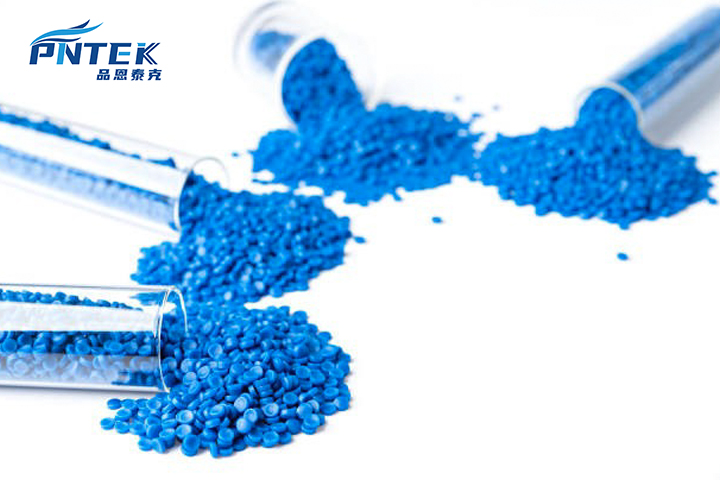
At Pntek, we believe in using the right material for the right job. Polypropylene isn’t just another plastic; it’s a specialized solution. For a supply chain expert like Carlos, understanding this distinction is key. When he can explain to an industrial client why PP is the only choice for their chemical waste line, he isn’t just selling a product; he’s providing a safe, long-term solution that protects their operations.
What is PP pipe?
Do you think all rigid plastic pipes are basically the same? This assumption is risky when dealing with high temperatures or corrosive fluids, where a standard pipe would quickly degrade and fail.
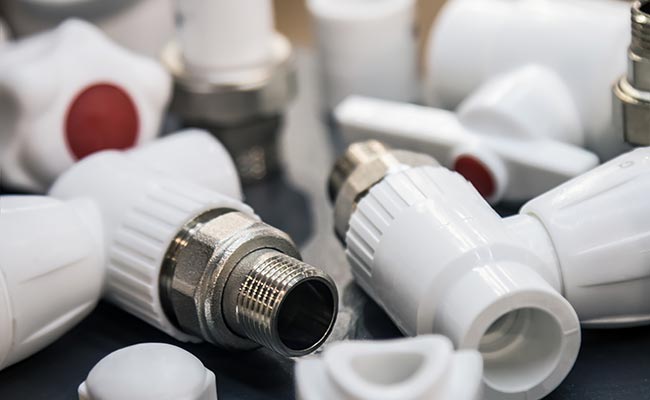
PP pipe is a straight, rigid pipe made from Polypropylene. Its defining features are a very high working temperature compared to PVC and PE, and superior resistance to acids, alkalis, and other corrosive chemicals. It is the go-to choice for heavy-duty applications.
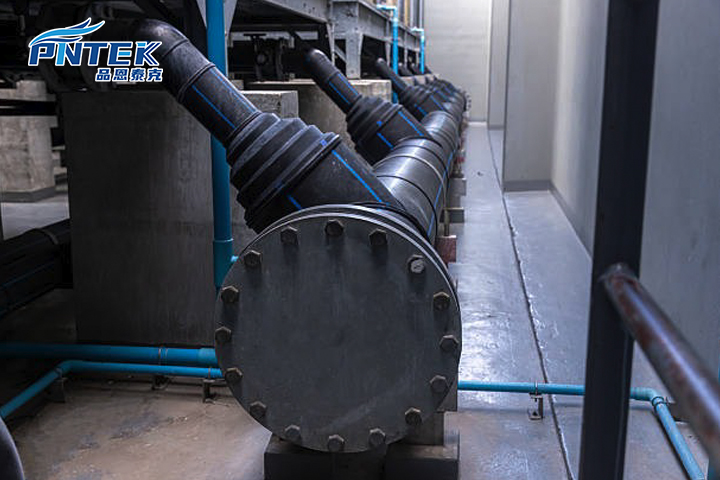
I’ve walked through chemical plants where the air itself feels corrosive. In those environments, you need materials you can trust completely. PP pipe is that material. For Carlos’s customers in manufacturing or processing, the reliability of PP pipe means operational safety and avoiding catastrophic leaks. It’s a premium product for applications where failure is not an option. This is why we insist on the highest quality resins for our PP systems.
Not All PP is the Same
To select the right PP pipe, you need to know about its different types. The three main types you will encounter are designed for slightly different jobs.
- PP-H (Homopolymer):
This is the most rigid type of PP. It has the best high-temperature strength and excellent chemical resistance. You’ll find it mostly in industrial processing and chemical plants. - PP-B (Block Copolymer):
This type has additives that make it much tougher and more impact-resistant, especially at low temperatures. It’s great for industrial waste pipes that might get bumped around. - PP-R (Random Copolymer):
This is the most flexible of the three and is the standard for hot and cold water plumbing in buildings. It’s excellent at handling pressure over a long time at high temperatures.
For a purchasing manager, it’s vital to know which type to stock. Carlos might stock PP-R for his plumbing contractor clients and PP-H for his industrial clients.
What is PP used for?
Are you using a general-purpose pipe for a very specific, demanding job? This mismatch leads to leaks, contamination of the fluid, and expensive system downtime. You need a specialized tool.
PP pipe is used in applications that are too hot or too corrosive for common plastics like PVC. Its primary uses are in industrial chemical transport, laboratory drainage, wastewater treatment plants, and hot and cold water supply lines in buildings (specifically PP-R).
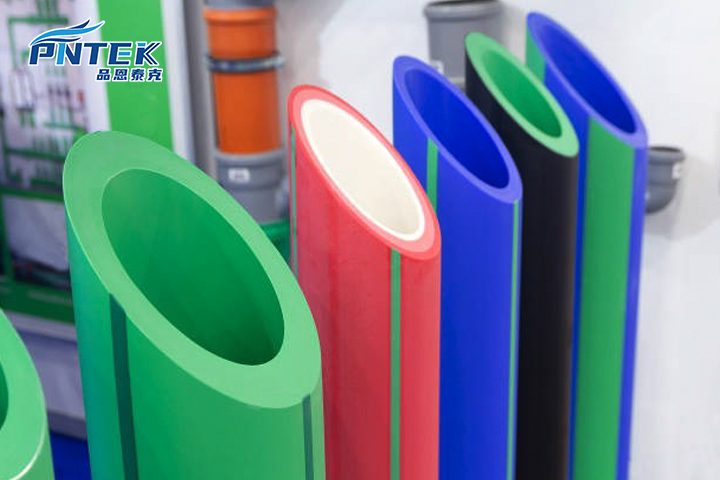
The applications for PP show you exactly where its strengths lie. We once supplied a project for a large food processing plant. They needed to transport hot, slightly acidic cleaning fluids. PVC would have softened, and metal would have corroded. PP was the perfect, long-lasting solution. When Carlos can point to these specific use cases, he helps his customers see the value and avoid making a costly mistake.
Key Application Areas
PP shines where other materials struggle. Its unique combination of properties makes it the perfect choice for several key sectors.
| Industry/Application | Why PP is Used |
|---|---|
| Industrial Chemical Lines | It can safely transport a wide range of acids, alkalis, and industrial waste without corroding or breaking down. |
| Hot Water Plumbing (PP-R) | It can handle water temperatures up to 90°C (194°F) continuously and doesn’t impart any taste or odor to drinking water. |
| Wastewater Treatment | It resists the complex mix of chemicals found in industrial and municipal wastewater, ensuring a long and reliable service life. |
| Laboratories & Healthcare | It is used for drainage systems that need to handle a variety of chemical wastes without leaking or degrading over time. |
Understanding these applications helps Carlos and his sales team to proactively identify customers who have problems that only PP pipe can solve.
Is PP stronger than PVC?
Are you choosing PVC by default because it’s so common? This can be a critical error when your system involves heat or specific chemicals, leading to burst pipes and dangerous leaks.
It depends on how you define “stronger.” At room temperature, PVC is more rigid. However, PP is far superior in two key areas: it can handle much higher temperatures, and it has better impact strength, meaning it’s less likely to crack if hit.
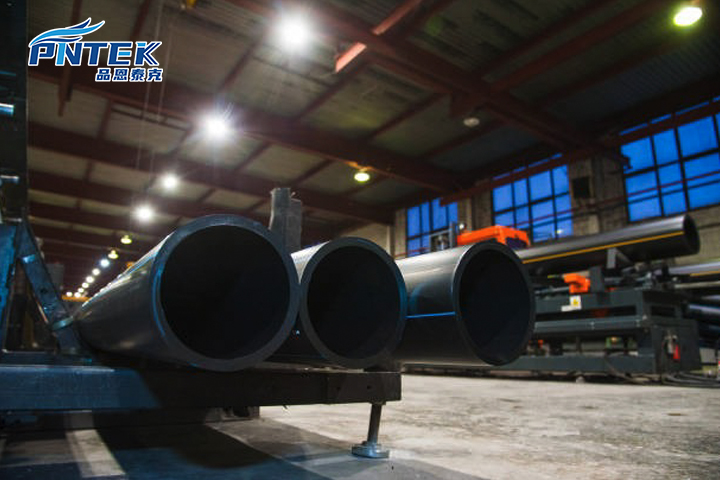
This is a question I hear all the time. The answer isn’t about which one is better overall, but which one is right for the specific situation. It’s my job to make sure our partners, like Carlos, have this knowledge. When a customer asks him this question, he can respond not with a simple “yes” or “no,” but with expert advice that helps them choose the perfect pipe, building his reputation as a trusted supplier.
A Head-to-Head Comparison
| Feature | PP (Polypropylene) | PVC (Polyvinyl Chloride) |
|---|---|---|
| Max Temperature | Excellent, around 90°C (194°F) | Poor, only around 60°C (140°F) |
| Chemical Resistance | Excellent, especially for acids and bases. | Good, but can be damaged by some chemicals like solvents. |
| Impact Strength | Very Good. It is tough and less likely to crack. | Fair. It is very rigid and can be brittle. |
| Joining Method | Heat Fusion (welding). Creates a permanent, seamless joint. | Solvent Cement (gluing) or gaskets. |
| Cost | Higher initial cost per pipe/fitting. | Lower initial cost. |
So, for a cold water irrigation line, PVC is a great, cost-effective choice. But for a hot water line in a factory or a chemical drain in a lab, PP is the only safe and reliable option. The extra cost buys you safety and a much longer service life.
How to join PP pipes?
Are you worried that the joints in your piping system will be the first place a leak appears? With PP pipe, using glue or mechanical clamps is a recipe for disaster.
PP pipes are joined using heat fusion welding. This process uses a special tool to melt the surface of the pipe and the fitting, which are then pushed together. As they cool, they fuse into a single, permanent, and leak-proof piece of plastic.
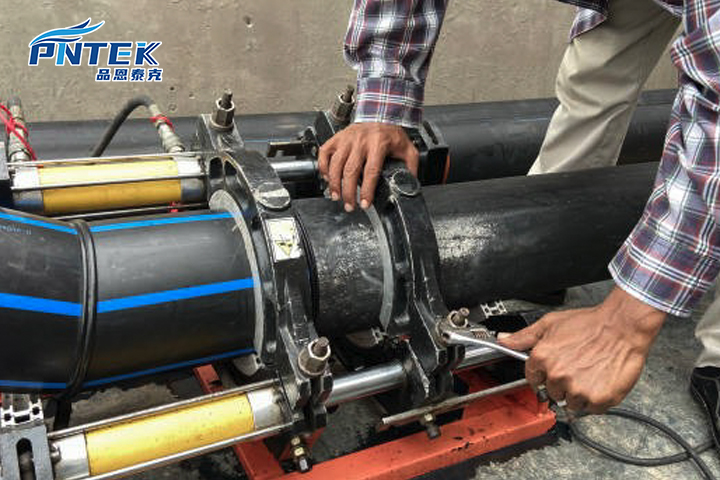
The joint is the most critical part of any pipe system. The heat fusion method used for PP is, in my opinion, the most reliable connection possible. It eliminates the weaknesses of glues that can degrade or mechanical seals that can loosen. For Carlos’s contractor clients, this means peace of mind. They can install a PP system, test it, and know that the joints are as strong and durable as the pipe itself.
The Two Main Fusion Methods
There are two primary techniques for welding PP, and the one you use depends on the size of the pipe.
- Socket Fusion:
This is the most common method for smaller diameter pipes, typically up to 125mm (about 4 inches). A special heating tool has a male and a female side. It heats the outside of the pipe end and the inside of the fitting socket at the same time. You then remove the tool and push the pipe into the fitting. It creates a very strong, clean-looking joint. - Butt Fusion:
For larger pipes, this is the standard method. The square ends of two pipes (or a pipe and a fitting) are held in a large machine. A heating plate is placed between them, melting both ends. The plate is removed, and the machine presses the molten ends together, creating a strong bead around the outside of the pipe. This method creates a perfectly smooth interior, which is great for flow.
Both methods create a permanent joint that will not leak.
Conclusion
PP, or Polypropylene, is a specialized pipe for high-heat and chemical applications. It is stronger than PVC in these conditions and is joined by permanent heat fusion, creating an incredibly reliable system.
Post time: Dec-12-2025