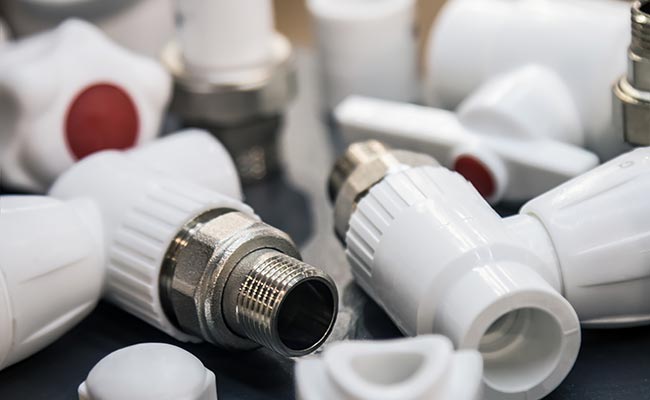
The Asahi PVC Valve is well-known for being reliable and strong — a real staple in many industries. These valves are kinda essential when it comes to controlling flow, whether it's in water treatment plants or chemical processing setups. You know, they’re everywhere, really.
In the 2026 Best Asahi PVC Valve Features and Applications Guide, you'll find a rundown of what makes these valves tick. Folks usually want to know about how durable they are and how well they perform. But, honestly, sometimes they might not quite meet all expectations. It’s also super important to check whether a specific valve will actually work with your system — compatibility matters.
This guide is here to give you the lowdown on the key features of Asahi PVC Valves, as well as a few heads-up about where they might fall a bit short. Knowing the good and the not-so-good helps a lot when making that all-important buying decision. Bottom line: take your time, do your homework, and make sure the valve you pick is the right fit for what you need — it’s worth it in the end.
The 2026 overview of PVC valve types and specifications reveals important details for users. PVC valves are versatile and widely used in various industries. Different types exist, such as ball valves, gate valves, and check valves. Each type has its unique features and specifications. For instance, ball valves are known for their quick operation and low torque requirements. In contrast, gate valves deliver excellent flow control, making them ideal for liquid flow regulation.
When choosing a PVC valve, consider the application. Some applications require pressure ratings that match your system's demands. Always check the temperature limits as well. This ensures that the valve functions without degradation over time.
Tip: Regularly inspect your PVC valves for leaks. Signs of wear can indicate it's time for replacement.
It's crucial to also think about installation. Improper installation can lead to failures or inefficiencies. Always follow recommended procedures and guidelines. When in doubt, consult an expert to avoid common mistakes. Knowledge of valve specifications will lead to better performance and safer applications.
Asahi PVC valves stand out for their remarkable durability and performance. The materials used in their construction ensure long-lasting usage under diverse conditions. In fact, studies indicate that PVC valves can endure extreme temperatures between -20°C to 60°C. This resilience reduces maintenance frequency and costs, contributing positively to operational efficiency.
In various industrial applications, the performance metrics of these valves are critical. Flow rates can exceed 300 gallons per minute, depending on the valve size and configuration. This efficiency is imperative in sectors such as water treatment and chemical processing. However, challenges can arise. Corrosion resistance is a common issue; while PVC is robust, it is not impervious to all chemicals. Users must evaluate the compatibility of materials to prevent costly equipment failures.
Moreover, the need for proper installation cannot be overstated. Collateral damage from improper fitting can compromise functionality. Users often overlook this aspect, leading to lower-than-expected performance. Providing accurate training for technicians can mitigate these risks. In an industry where precision matters greatly, understanding these elements is essential for maximizing the benefits of PVC valves.
Asahi PVC valves are commonly used in various industrial applications. Their durability and resistance to corrosion make them ideal for challenging environments. These valves can manage fluids effectively in industries like chemical processing, water treatment, and aquaculture.
In chemical processing, Asahi PVC valves handle aggressive materials without degrading. They offer reliable performance, reducing the risk of leaks. In water treatment facilities, these valves control the flow of water, ensuring efficiency. Their lightweight nature allows for easy installation and maintenance, making them a favorite among engineers.
**Tip:** Regularly inspect your valves for signs of wear. This can prevent unexpected failures and costly downtimes.
In aquaculture, Asahi PVC valves help maintain proper water quality. They help regulate oxygen levels and manage waste. However, improper installation can lead to inefficiencies. It's crucial to ensure that all components fit correctly for optimal performance.
**Tip:** Always consult with experts during the installation process. Their advice can save time and resources in the long run.
When comparing Asahi PVC valves to other valve materials, several factors emerge. Asahi PVC valves are known for their excellent chemical resistance. They can handle various corrosive substances. This makes them ideal for many applications in industries like chemical processing and water treatment. In contrast, materials like metal valves may falter in these scenarios due to rust or erosion.
Another aspect is the weight. Asahi PVC valves are lightweight. This characteristic simplifies installation and reduce shipping costs. Metal valves, on the other hand, are heavier and can increase the overall project weight. However, metal valves often provide higher pressure ratings, which is a crucial consideration for specific applications.
Additionally, the cost is another important factor. PVC valves generally come with a lower price tag. However, the durability of metal valves may justify their higher upfront costs in some situations. Ultimately, choosing between these materials requires careful consideration of application needs and potential trade-offs. Each option presents strengths and weaknesses that warrant reflection.
Proper maintenance is crucial for ensuring the longevity and efficiency of PVC valves. Regular inspections can help identify wear and prevent leaks. Check for signs of corrosion or damage. Clean the valves periodically using a soft cloth and approved cleaning agents. Avoid abrasive cleaners that could scratch the surface. This simple act improves performance.
Lubrication is another key aspect. Use the correct lubricant to ensure smooth operation. However, over-lubricating can lead to accumulation and impair functionality. It's a balance that requires attention. Also, monitor the valve’s operation regularly. If it feels stiff or unresponsive, it may need immediate servicing.
Training staff on maintenance protocols helps prevent costly mistakes. It fosters a culture of care and responsibility. Yet, it’s vital to reassess the training periodically. Is it effective? Are team members aware of the latest procedures? Continuous improvement should be part of any maintenance strategy. This approach can reduce downtime and extend the life of the valves significantly.
The future of Asahi PVC valve technology points towards innovation and sustainability. As environmental concerns grow, the industry is shifting towards greener practices. According to a recent market report, the global demand for PVC valves is expected to increase by 5% annually until 2026. This trend indicates a strong push for more efficient materials and production methods.
Manufacturers are investing in advanced designs and smart technology. The incorporation of IoT features is becoming popular. These enhancements allow for real-time monitoring and control, optimizing valve performance. They also reduce waste and energy consumption during operations. However, this shift may lead to challenges, such as increased complexity in maintenance.
Tip: Regular maintenance checks are crucial. Inspecting valves ensures optimal performance and longevity.
As innovation accelerates, the focus is also on improving safety standards. Enhanced materials are being tested to withstand harsh environments. Yet, the transition to these new materials can be slow and costly. The industry must adapt quickly to stay competitive while ensuring safety.
Tip: Always keep an eye on evolving standards and compliance regulations. Staying informed can save time and resources in the long run.
As industries focus on process efficiency and safety, PVC valves have gained popularity. Their lightweight nature and corrosion resistance make them ideal for various applications. A recent report indicates that the global PVC valve market is expected to grow by 5% annually, indicating strong demand.
Case studies reveal the successful implementation of PVC valves across sectors. In the chemical industry, a facility using PVC valves reduced leakage by 30%. This not only saved costs but also enhanced worker safety. Similarly, in water treatment plants, these valves improved flow rates. However, some installations faced issues related to temperature extremes. Regular temperature monitoring is essential to ensure longevity.
Tips: Always assess the compatibility of PVC valves with your specific media. Testing in controlled environments can help identify potential failures. Selecting the right valve size also influences performance. Too large or too small can lead to inefficiencies. Continuous training for staff handling these valves ensures proper installation and maintenance.
Despite their advantages, challenges persist. Some users reported difficulty in finding compatible fittings. This suggests that standardization could be an issue. Further exploration into durable materials is needed. Ultimately, ongoing research is essential for maximizing the benefits of PVC valves in all applications.
The industrial sector in Bangladesh is experiencing significant growth, with projections indicating a robust expansion in manufacturing and infrastructure development. To capitalize on this upward trend, companies must adopt strategic marketing approaches that emphasize the importance and reliability of essential components such as PVC octagonal ball valves. Featuring a blue body, these valves not only enhance visibility but also symbolize strength and durability, key qualities sought by industries.
The composition of PVC octagonal ball valves is crucial in ensuring their performance in demanding industrial environments. The body, crafted from UPVC or CPVC, ensures resistance to corrosion and temperature fluctuations, allowing for a long service life. Secondary components, such as the STEM and BALL, also utilize UPVC or CPVC for enhanced reliability. With critical seals made from TPE, TPVC, or TPO, these valves promise excellent sealing performance under pressure, making them suitable for various applications from water treatment to chemical processing.
Marketing these valves effectively involves highlighting their technical specifications and the advantages of material selection. Research indicates that reliable valves reduce maintenance costs by up to 20% in the long term, providing a compelling value proposition. By focusing on the benefits of UPVC and CPVC in valve manufacturing, companies can better position their products within Bangladesh's growing industrial landscape, aligning their marketing efforts with the demands of a rapidly evolving market.
: The service aims to connect users with similar interests. It encourages community interaction and sharing experiences.
Users can join discussions, share stories, and ask questions. Active participation is encouraged for a richer experience.
Anyone can join, but users must respect others. Harassment or negativity is not tolerated in the community.
Report any issues to the support team. They will review and take necessary actions based on the situation.
Yes, personal information is treated with care. However, users should still practice caution when sharing details.
Yes, users are welcome to submit their own content. Original and creative contributions are highly valued.
Violations may lead to temporary or permanent removal. Users should always reflect on their actions and behaviors.
Updates vary, but fresh content is added regularly. Users should keep checking to stay engaged with the latest discussions.
The "2026 Best Asahi PVC Valve Features and Applications Guide" provides a comprehensive overview of Asahi PVC valves, detailing their various types and specifications. The guide highlights key features such as durability and performance metrics that make Asahi PVC valves a reliable choice for industrial applications. It examines the diverse settings in which these valves are used, offering insights into their effectiveness compared to other valve materials.
Furthermore, the article emphasizes best practices for maintaining Asahi PVC valves to ensure optimal performance. It also discusses future trends in technology and innovation related to these valves, showcasing case studies of successful implementations in various industries. This guide serves as a valuable resource for professionals seeking to understand the capabilities and advantages of Asahi PVC valves in different operational contexts.