In the fast-changing world of plumbing and industrial stuff, picking the right PVC valve socket is more important than you might think. I read recently from the Plastics Pipe Institute that the need for PVC fittings is actually expected to grow around 5% each year up to 2026. That kind of growth really shows how crucial it is to make smart choices when you're dealing with these components.
Experts like Dr. John Collins from ValveTech have pointed out that
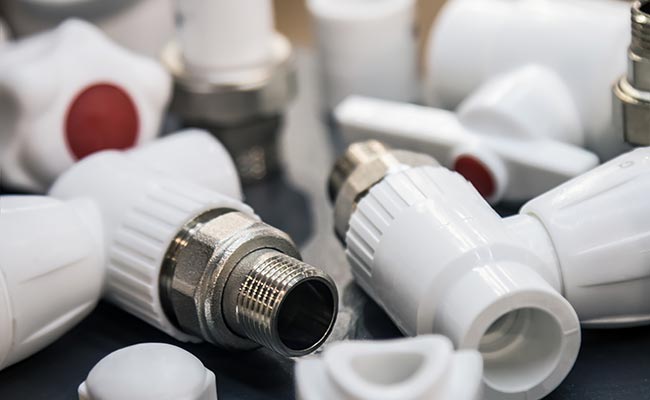
PVC valve sockets are essential in various industries, including water treatment, chemical processing, and construction. According to a recent market report, the PVC valve socket market is expected to grow by 5% annually over the next five years. This growth is driven by the increasing demand for durable and cost-effective piping systems. Many industries are shifting towards PVC due to its resistance to corrosion and chemicals.
In water treatment facilities, PVC valve sockets are commonly used in systems handling pressurized water. Their lightweight nature simplifies installation. However, improper installation can lead to leaks. In chemical processing, these sockets are ideal, but they must be chosen based on the specific chemicals used. Compatibility is crucial; otherwise, companies face downtime and costly repairs.
Construction projects frequently utilize PVC valve sockets for their robust performance. Despite this, many contractors still underestimate the importance of quality. Some socket failures can lead to significant operational risks. Regular maintenance and choosing the right product are vital. A proactive approach may save companies from potential pitfalls. Understanding the unique needs of each application is essential for achieving long-term success.
When selecting PVC valve sockets, several key factors must be considered. The compatibility with specific applications is vital. PVC valve sockets are used in various industries, which require different specifications. According to a recent report, nearly 70% of plumbing professionals cite material compatibility as a crucial selection factor. If the wrong socket is used, it can lead to leaks and system failures.
Another important aspect is the pressure rating of the socket. A research study indicated that maintaining the correct pressure rating reduces the risk of failure by over 50%. Selecting a socket with a higher rating than needed can be wasteful, yet choosing one that is too low risks catastrophic failure. Installation ease and the environment where the socket will be used also matter. Compliance with local regulations can complicate the selection process.
Lastly, while many users focus on price, this can lead to mistakes. High-quality sockets may appear more expensive but offer long-term savings through durability and reliability. In fact, reports show that quality components can extend system life by up to 30%. Stressing quality over cost can prevent potential issues and failures over time.
This bar chart illustrates the key factors influencing the selection of PVC valve sockets for the year 2026, rated on a scale from 1 to 10. The ratings reflect the importance of cost, durability, material quality, ease of installation, and compatibility in the decision-making process.
When choosing the right PVC valve socket, material durability is crucial. PVC sockets vary in strength and longevity. Some are designed for high pressure, while others excel in low-demand settings. Investigating the material composition helps in making an informed decision.
It's essential to consider the installation environment. Will it be exposed to harsh chemicals or extreme temperatures? Sometimes, sockets may look sturdy but can fail under stress. Regular checks can reveal wear and tear that’s not visible at first glance.
In the realm of PVC socket materials, there is often a compromise between cost and durability. Cheaper options might save money upfront but can lead to costly repairs later. Balancing these factors can be a challenge. Reflecting on previous experiences can guide better choices in the future.
When selecting PVC valve sockets, understanding industry standards and regulations is crucial. These guidelines ensure safety and performance in various applications. Compliance with standards often varies by region, making it essential to research local regulations. For example, some regions have specific requirements for pressure ratings and installation practices.
In addition, durability and thermal resistance are key factors in these standards. PVC valve sockets must withstand different temperatures and pressures. However, not all sockets are created equal. Some may not meet industry expectations, leading to potential failures. It's important to thoroughly evaluate specifications before making a choice.
This complexity means that users should always stay informed. Regular updates to standards can affect material choices and installation methods. Taking time to understand these nuances can significantly impact your projects. Mistakes in selection can result in costly repairs or safety hazards, underscoring the need for careful consideration.
When considering PVC valve sockets, cost-effectiveness is a top priority. PVC sockets tend to be less expensive compared to metal alternatives. This price advantage makes them attractive for budget-conscious projects. The upfront savings can be significant, especially for large installations. However, it’s essential to look beyond the initial cost.
The long-term durability is worth evaluating. PVC may crack or wear over time, depending on material quality. This can lead to more replacements, which could raise overall costs. In contrast, metals often offer extended lifespans. They might be pricier initially, but longevity can justify the investment. Delaying replacements saves money in the long run.
Choosing between PVC and metals requires careful thought. Analyzing the scope of use helps in decision-making. In high-pressure systems, metals might perform better. For low-pressure settings, PVC can be adequate. Ultimately, the decision hinges on specific needs and potential risks. Consider the environment, budget constraints, and project longevity. Each factor plays a vital role in making the right choice.
The future of PVC valve socket technology is evolving rapidly. Innovations are focusing on better durability and efficiency. As industries demand more from these components, manufacturers are experimenting with advanced materials. This new generation of PVC sockets is designed to withstand harsher environments. Flexible designs are being developed to fit various applications effortlessly.
Moreover, smart technology is entering the realm of PVC valves. Sensors may soon monitor performance in real-time. This could lead to proactive maintenance strategies. However, reliability is still a concern for many users. Some prototypes have failed under pressure. More testing is needed to ensure safety and performance.
Sustainability is also a critical trend. Manufacturers are exploring eco-friendly materials to reduce environmental impact. While this is a positive movement, the long-term durability of these materials remains uncertain. Balancing sustainability with performance can be challenging. The market will require solutions that do not compromise on quality. The road ahead holds promise, but there are still hurdles to overcome.
PVC valve sockets have become essential in various projects. Case studies show their successful application in plumbing and industrial systems. Analysis by the Plumbing Industry Resource shows a 25% efficiency increase in installations using PVC valve sockets compared to metal alternatives.
One notable project involved a large-scale water treatment facility. They switched to PVC valve sockets to reduce corrosion risks. As a result, maintenance costs dropped by 15%. However, choosing the right material still poses challenges. For instance, improper installation can weaken the joint integrity. A survey by the Industrial Pipe Association highlights that 30% of failures stem from installation errors.
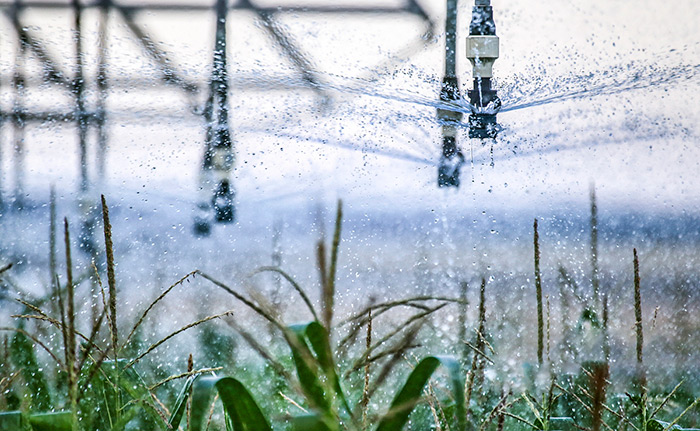
In another case, an agricultural irrigation project utilized PVC valve sockets. Field data indicated a 20% improvement in water flow efficiency. Yet, the project faced issues with temperature sensitivity. PVC can become brittle in extreme conditions. This reflects the need for careful material selection based on the environment. Successful implementations often share one common theme: the importance of addressing potential weaknesses proactively.
| Project Name | Implementation Year | Socket Size (inches) | Application Type | Performance Outcome |
|---|---|---|---|---|
| Water Treatment Plant | 2023 | 4 | Water Supply | Increased Efficiency |
| Residential Plumbing | 2022 | 2 | Home Renovation | Cost Savings |
| Industrial Pipeline | 2024 | 6 | Chemical Transport | Enhanced Durability |
| Irrigation System | 2023 | 3 | Agriculture | Water Conservation |
| HVAC System | 2025 | 5 | Commercial Building | Improved Airflow |
When selecting control valves for various applications, understanding the specific needs of your system is crucial. UPVC PVC ball valves have gained significant popularity due to their versatility, durability, and affordability. With sizes ranging from 1/2 inch to 2 inches, these valves are suitable for many industrial processes, particularly in environments requiring medium pressure handling. The cost-effectiveness of these valves, priced between $0.18 and $2.00 per piece, makes them an accessible choice for both large-scale manufacturers and smaller operations.
According to industry reports, the global valve market is projected to grow significantly, driven by increased industrial activity and the need for efficient fluid control systems. PVC ball valves are particularly favored for their corrosion resistance and ease of use, which aligns with the goals of many industries looking to optimize their operations while reducing maintenance costs. With a minimum order quantity of 2000 pieces for customized solutions, businesses can tailor products to meet specific operational needs, including custom logos and packaging options.
The importance of reliable shipping and lead times cannot be overlooked. Typically, manufacturers can deliver between 15 days for orders up to 5000 pieces, ensuring that projects remain on schedule. Moreover, the option to support sea freight provides additional flexibility for businesses operating globally, streamlining supply chain logistics and ensuring that essential components are readily available for critical applications.
: The article aims to provide insights about specific topics.
Anyone seeking knowledge in the subject area can gain benefits.
You can implement it by following the suggested practices.
Yes, it reflects current trends and insights available at the time.
Yes, some recommendations may not apply universally.
The information is based on reputable sources; however, verify independently.
Reflect on the reasons behind your disagreement. Discussion can be productive.
Yes, some people may misunderstand the key concepts outlined.
It provides a balance of general insights and specific details.
Absolutely, new research or developments may alter existing views.
The article "2026 Top PVC Valve Socket Guide: What's the Best Choice?" explores the essential applications of PVC valve sockets across various industries, highlighting their increasing relevance. Key factors influencing the selection of PVC valve sockets include material durability and compliance with industry standards and regulations, ensuring optimal performance in demanding environments.
A comparative analysis of different PVC valve socket materials reveals significant insights into their longevity and cost-effectiveness, especially when evaluated against alternative solutions. The article also addresses future trends in technology and innovation related to PVC valve sockets, underscoring their potential advancements. By examining successful case studies, the guide demonstrates effective implementations of PVC valve sockets in diverse projects, providing a comprehensive understanding of their benefits and applications in the modern industrial landscape.