
Lately, there's been a real buzz around finding better ways to handle fluids efficiently, and because of that, PVC air valves are really gaining attention. I came across a report from Grand View Research, and it mentioned that by 2026, the global PVC pipe market could hit around USD 90 billion. That just goes to show how essential PVC products, including PVC air valves, are in all sorts of projects—big or small.
Now, PVC air valves play a pretty crucial role—they help stop air from building up inside pipelines. If air isn't managed well, it can mess with the pressure and even cause pipeline failures down the line. But here’s the thing—not all air valves are created equal. Sometimes, if they’re installed incorrectly or chosen poorly, they won’t do their job effectively. Picking the right valve and placing it properly can really make a big difference in how smoothly everything runs. According to industry studies, using the correct air valve can boost system performance by as much as 30%. That’s pretty impressive, right?
A lot of folks tend to overlook the long-term perks of investing in high-quality PVC air valves. Sure, cheaper options might seem like a good deal upfront, but they can end up costing more in the long run because of higher operational costs. So, it’s definitely worth thinking about this carefully during planning stages. Basically, spending a bit more on top-notch valves can save you both time and money over the entire lifespan of your project. When you get it right and incorporate these valves effectively, you’re looking at some pretty solid benefits.

Introduction to PVC Air Valves and Their Applications
PVC air valves play a crucial role in various applications, particularly in fluid management systems. These valves are primarily used to release excess air and prevent vacuum conditions in pipelines. According to a recent industry report, improper air management can lead to disruptions, costing projects up to 20% in efficiency. Using PVC air valves can mitigate these losses significantly.
In wastewater treatment, PVC air valves ensure proper air release, minimizing clogging and enhancing flow. A study highlighted that systems without adequate air management experience a 30% increase in maintenance costs. The lightweight and corrosion-resistant properties of PVC make these valves popular choices in harsh environments. However, it's essential to assess the specific requirements of any project before choosing these valves. Balancing cost and efficiency is vital.
Common issues arise when air valves are improperly sized or installed. Incorrect installation can lead to airflow restrictions, causing operational inefficiencies. Despite the advantages, some projects overlook the long-term benefits of effective air valve solutions. Addressing these concerns can lead to improved system reliability and reduced operational costs.


The Ultimate Guide to Choosing the Right PNTEK PPR New Luxurious Stop Valve for Your Plumbing Needs
When selecting the right stop valve for your plumbing needs, it's essential to consider several key aspects that ensure durability and efficiency in your system. Our recommended PPR stop valves are available in sizes of 20mm, 25mm, and 32mm, crafted from 100% new material. This guarantees not only a high-performance solution but also longevity, making it an excellent choice for residential and commercial plumbing applications. With a pressure rating of PN25, these valves can withstand a variety of demanding conditions, ensuring your plumbing system runs smoothly.
In addition to their premium quality, we also offer the flexibility of customization. You can have your logo and packaging tailored to your specifications, with a minimum order of just 30 cartons per size. This enables you to maintain brand consistency while engaging in bulk purchases that meet your project's needs. Moreover, we provide free samples, which allow you to evaluate the product before committing to a larger order. Our estimated lead time for orders varies: expect a quick turnaround of 15 days for quantities up to 5,000 pieces, with further negotiations available for larger orders. Shipping is also made convenient, as we support sea freight, ensuring that you receive your products safely and efficiently.

FAQS
: PVC air valves regulate airflow in fluid management projects. They help prevent air pockets in pipelines.
Their lightweight nature makes installation simpler and reduces transportation costs.
PVC valves resist corrosion and are easy to handle, making them a durable choice for projects.
Regular inspection and cleaning are essential to maintain performance and catch wear early.
Improper installation can lead to leaks and performance issues, which need to be avoided.
UV exposure can weaken PVC valves over time if they are left unprotected from sunlight.
Even small dirt buildups can hinder functionality, so regular cleaning is necessary.
Proper sizing, fluid dynamics, and the balance between cost and quality are crucial for selection.
Familiarizing oneself with best practices and learning from past mistakes can improve results.
Consider how performance and durability will meet your needs over time when choosing a valve.
Conclusion
PVC air valves are essential components in fluid management systems, offering various benefits that enhance project efficiency and cost-effectiveness. Their lightweight and corrosion-resistant properties make them ideal for diverse applications, from water treatment to industrial processes. Unlike traditional materials, PVC air valves provide superior durability and require minimal maintenance, which translates to long-term savings for projects.
Moreover, the integration of PVC air valves can significantly improve system efficiency by ensuring optimal air release and preventing air entrapment. Their environmental impact is also favorable, as PVC is recyclable and can contribute to sustainable project practices. In summary, PVC air valves offer a combination of practical advantages, making them an excellent choice for anyone looking to optimize their fluid management systems.
Related Posts
-

2026 How to Choose the Best PVC Air Valve for Your Needs?
-

How to Choose the Right PVC Air Valve for Your Needs?
-

Maximizing Efficiency with Upvc Multiport Valve Innovations for Modern Water Systems
-

Understanding PVC Valve Socket Sizes: Impact on Flow Rates and System Efficiency in Plumbing
-

Understanding the Benefits and Applications of PVC Valve Boxes in Modern Landscaping
-

Exploring Opportunities for UPVC Valves Manufacturers in India at the 138th Canton Fair 2025

Isabelle
Application

Underground pipeline
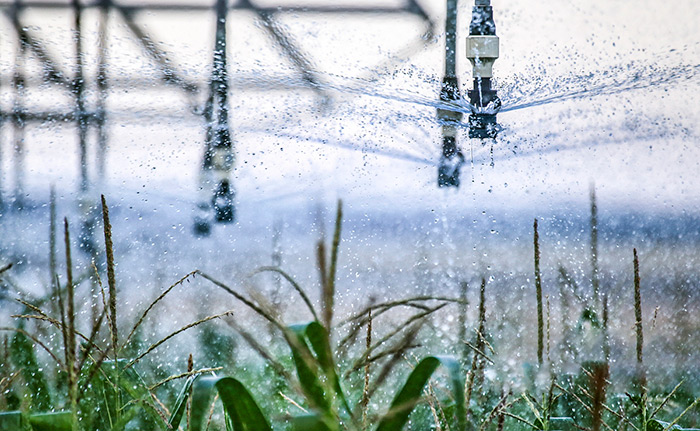
Irrigation System
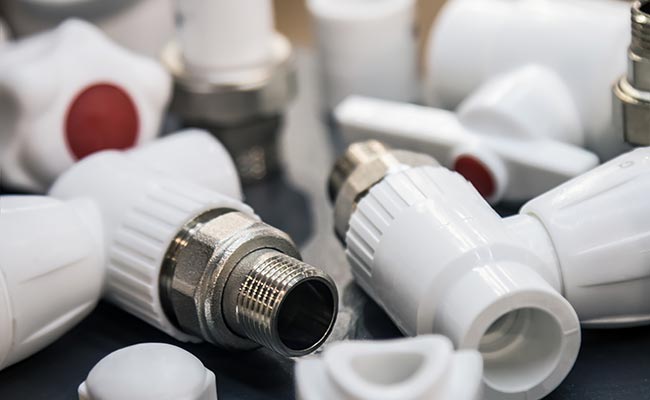
Water Supply System
