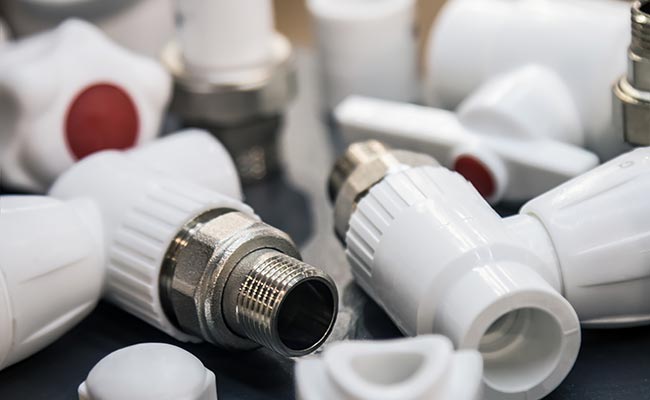
When it comes to modern plumbing, choosing the right materials really matters for making everything work smoothly and last longer. Lately, UPVC valves have been getting a lot of buzz, and honestly, they've got some pretty cool advantages over the traditional stuff. For one, they're lightweight but sturdy—kind of like the best of both worlds. Plus, they resist corrosion, so they tend to last quite a while, no matter where you use them.
One of the biggest pluses is that UPVC valves are leak-proof, which is a huge deal for any plumbing setup. They’re also super easy to install, which not only saves time but can really cut down on labor costs. That's why a lot of pros actually prefer using them—they’re reliable, plain and simple. But, of course, it’s worth mentioning that some folks worry about how well UPVC holds up in really extreme weather conditions. So, it’s a good idea to think about these things before making a final call.
In the end, understanding what UPVC valves bring to the table can help you make smarter choices. Picking the right materials means a more efficient and long-lasting plumbing system. Whether you’re a homeowner or a professional, taking a moment to consider the pros and cons of UPVC can really pay off.

Overview of UPVC Valves in Plumbing Systems
UPVC valves are key components in modern plumbing systems.
They are lightweight and resistant to corrosion, which makes them an excellent choice.
Unlike metal valves, UPVC does not rust or corrode easily.
This durability leads to lower maintenance costs over time, a crucial consideration for many homeowners.
In addition to their longevity, UPVC valves offer excellent sealing capabilities.
They help prevent leaks, which is vital in plumbing applications.
A small leak can lead to significant damage and costly repairs.
Also, these valves can handle a range of fluids, making them versatile.
However, they may not be suitable for extreme temperatures.
This limitation can be a drawback in certain settings.
Installation of UPVC valves is generally straightforward.
They can be cut and joined easily, saving time during plumbing projects.
Yet, some professionals argue that incorrect installation can compromise their effectiveness.
Proper technique is essential to ensure they function correctly.
While UPVC valves have many benefits, it's important to understand their limitations too.
Advantages of Using UPVC Valves Over Traditional Materials
UPVC valves are increasingly popular in plumbing systems. They offer numerous advantages over traditional materials like metal and rubber. For example, UPVC is highly resistant to corrosion. Reports show that corrosion can reduce the lifespan of metal valves by up to 60%. This resistance ensures that UPVC valves maintain a longer service life.
Another key benefit is the lightweight nature of UPVC. Traditional materials can be heavy, complicating installation and maintenance. UPVC valves are easier to handle and install, reducing labor costs. A study indicated that using lighter materials can speed up installation times by as much as 30%.
However, it is essential to consider potential drawbacks. UPVC's rigidity may lead to issues during extreme temperature fluctuations. In some cases, this can cause cracking or leaking. It's crucial for builders to assess local environmental conditions when choosing valve materials. While UPVC offers many benefits, understanding its limitations is equally important.
Durability and Longevity of UPVC Valves in Plumbing Applications
UPVC valves are gaining popularity in plumbing systems due to their exceptional durability. Made from unplasticized polyvinyl chloride, these valves resist corrosion and wear. This resistance ensures that they maintain functionality over time, even in challenging environments. They can withstand harsh chemicals commonly found in plumbing applications. This characteristic makes them ideal for various installations.
Tips: Always consider the environment when selecting valves. Ensure compatibility with your plumbing system. This simple step can prevent future issues.
Longevity is another significant advantage of UPVC valves. Unlike traditional materials, UPVC doesn’t degrade easily. This feature ultimately saves money on frequent replacements. The lifespan of UPVC valves often exceeds that of metal ones, resulting in fewer repairs. However, improper installation can lead to failures. It’s essential to follow proper guidelines.
Tips: Regular maintenance is key. Inspect valves periodically to ensure they function correctly. Early detection of issues can prevent costly repairs later.
Cost Efficiency: UPVC Valves and Overall Plumbing Expenses
Cost efficiency is a key consideration in plumbing systems. UPVC valves offer significant savings compared to traditional materials. Reports indicate that the use of UPVC valves can reduce overall plumbing expenses by approximately 30%. This efficiency arises primarily from their durability and lower maintenance needs.
Unlike metal valves, UPVC valves resist corrosion and chemical damage. This resistance means they last longer, leading to fewer replacements. A study highlighted that maintenance costs for UPVC valves are 15% lower than those for metal counterparts. Reduced downtime translates into more efficient operations. However, some may overlook the initial installation costs, which can vary significantly based on the project size.
Additionally, UPVC valves are lightweight, making transportation and installation easier. This lightweight nature can lead to labor savings, which can be quite substantial over time. Yet one must consider the environmental impact of manufacturing UPVC. While they offer cost benefits, sustainability should also be weighed. Balancing cost and environmental concerns can be a challenge. Choosing the right materials requires careful thought and planning.
Resistance to Corrosion and Chemical Damage in UPVC Valves
UPVC valves have become increasingly popular in plumbing systems due to their exceptional resistance to corrosion and chemical damage. These valves are crafted from unplasticized polyvinyl chloride, a material known for its durability. A study by the Plastics Industry Association indicates that UPVC can withstand exposure to a wide range of chemicals without degrading. This makes UPVC valves ideal for various applications, including waste management and chemical transport.
Corrosion can severely compromise the integrity of traditional metal valves over time. In contrast, UPVC valves are unaffected by rust and corrosion. Research shows that systems using UPVC can last up to 25% longer than those with metal components. This longevity not only reduces maintenance costs but also minimizes the risk of unexpected failures. Furthermore, their lightweight nature makes installation easier.
Despite these advantages, UPVC valves do have limitations. For instance, they may not be suitable for extremely high temperature applications. Some professionals express concerns about their performance under high pressure. This can lead to discussions about the appropriateness of UPVC in specific scenarios. An awareness of these factors is crucial for plumbing professionals when selecting valve materials. Choosing the right valve can mean the difference between a reliable system and costly repairs.
Installation and Maintenance Benefits of UPVC Valves
When considering plumbing systems, UPVC valves offer notable advantages. Their installation is straightforward, making them accessible for various projects. Their lightweight nature allows easy handling. Additionally, they resist corrosion and scaling, ensuring longevity.
Tip: Always check for compatibility with existing systems before installation. Compatibility can save time and future complications.
Maintenance is equally simple. UPVC valves don’t require regular lubrication. This feature reduces ongoing maintenance costs. However, inspections are still vital. A minor crack or leak can lead to bigger problems later.
Tip: Schedule regular checks. It’s easier to handle small issues than to wait for a significant failure.
UPVC valves are a sound investment in plumbing systems. Yet, users should remain mindful of potential issues, like brittle deformation under extreme conditions. This aspect might lead to inconvenience. Keeping the environment in mind can enhance performance. Maintenance ensures reliable service.
Environmental Impact of Choosing UPVC Valves in Plumbing Systems
Choosing UPVC valves for plumbing systems offers significant environmental benefits. These valves are made from polyvinyl chloride, which is more eco-friendly than traditional materials. UPVC is recyclable and durable, reducing waste in landfills. Furthermore, they are resistant to corrosion and chemical damage, leading to fewer repairs and replacements.
Using UPVC can lower energy consumption during production and installation. The lightweight nature of UPVC makes transportation easier and less resource-intensive. Additionally, their longevity means longer periods between replacements. This contributes to less overall material consumption over time.
**Tips:** When selecting UPVC valves, consider their lifespan in your city’s climate. Understand local recycling options for UPVC products. It's crucial to weigh the initial cost against the long-term benefits. Always look for high-quality materials to ensure the best environmental impact.
What are the Benefits of Upvc Valves in Plumbing Systems? - Environmental Impact of Choosing UPVC Valves in Plumbing Systems
| Benefit |
Description |
Environmental Impact |
| Durability |
UPVC valves are resistant to corrosion and can last for several decades without needing replacement. |
Reduces waste and the need for frequent replacements, minimizing environmental footprint. |
| Cost-Effectiveness |
Lower initial costs compared to metallic valves, along with minimal maintenance costs. |
Less financial resources wasted on replacements and maintenance, promoting sustainable spending. |
| Chemical Resistance |
UPVC is resistant to a wide range of chemicals, making it suitable for various applications. |
Contributes to safer disposal of chemicals as it minimizes degradation and leachates. |
| Lightweight |
Easy to handle and install, reducing labor costs and installation time. |
Lower transportation emissions due to lighter materials used. |
| Recyclability |
UPVC can be recycled after its life cycle, reducing landfill waste. |
Encourages a circular economy and promotes sustainability. |
FAQS
: UPVC valves are made from unplasticized polyvinyl chloride. This material is known for its durability.
They resist corrosion and chemical damage. This leads to longer service life compared to metal valves.
UPVC valves are lightweight. This makes them easier to handle, reducing labor costs and installation time by up to 30%.
Yes, UPVC can be rigid. This may lead to cracking or leaking in extreme temperature changes.
UPVC valves can last up to 25% longer. This reduces maintenance costs and lowers the risk of failures.
No, they may not perform well under extremely high temperatures. It’s important to assess environmental conditions.
Some professionals have concerns about their performance under high pressure. This requires careful consideration.
They are suitable for waste management and chemical transport. Their resistance to chemicals makes them effective in these areas.
Corrosion can reduce the lifespan of metal valves significantly, sometimes by up to 60%. This is less of a concern with UPVC.
Different materials perform differently under various conditions. Understanding these factors can prevent costly repairs later.
Conclusion
UPVC valves are increasingly recognized for their advantageous role in plumbing systems. These valves offer several benefits over traditional materials, including superior durability and longevity, making them ideal for various plumbing applications. Their resilience to corrosion and chemical damage ensures that they maintain functionality even in harsh environments, thereby extending the lifespan of the entire plumbing system.
Additionally, UPVC valves contribute to cost efficiency by reducing overall plumbing expenses due to lower maintenance requirements and longer service life. The ease of installation and minimal upkeep further enhance their appeal to plumbers and contractors. Moreover, choosing UPVC valves has a positive environmental impact, as they are more sustainable compared to conventional materials. Overall, the numerous advantages of UPVC valves make them a compelling choice for modern plumbing systems.