When it comes to plumbing systems, the 'Angle Valve PVC' has really been catching on — people are loving how practical and effective it is. John Smith, a pro in plumbing solutions over at PipeMasters Inc., points out that, 'Using Angle Valve PVC just makes so many plumbing issues easier to handle.' That really shows how more folks are opting for this material, whether it's for home DIY projects or bigger commercial jobs.
Now, one of the reasons this stuff is so popular is because it’s pretty tough and resists corrosion well. That makes it a solid choice for all sorts of plumbing setups. That said, it’s worth mentioning that not everything’s perfect — some folks might forget or overlook that it can be sensitive to heat, so you want to keep that in mind when choosing your materials.
And about the installation — it can range from pretty straightforward to a bit tricky, depending on what you're working on. So, having the right training and knowing what you're doing really helps avoid any headaches. Sure, Angle Valve PVC can be a total game-changer, but it’s important to weigh both its perks and its little quirks to get the most out of it in your plumbing system.

Introduction to Angle Valve PVC in Plumbing Systems
Angle Valve PVC is becoming popular in modern plumbing systems. These valves serve crucial purposes in controlling water flow. Their lightweight nature makes installation easier and quicker compared to traditional metal valves.
According to the American Society of Plumbing Engineers, using PVC materials can reduce overall system weight by up to 50%, significantly lowering installation costs.
The durability of Angle Valve PVC is noteworthy. These valves resist corrosion and chemical damage, enhancing their longevity. Industry reports indicate that systems incorporating PVC components can last 25-30 years with minimal maintenance. However, it's important to acknowledge the environmental concerns linked to PVC production. Although it performs well in plumbing, its manufacturing process can have adverse effects.
Moreover, Angle Valve PVC provides excellent flow control. Users can easily adjust water pressure with a simple twist. However, some users report occasional leaks due to improper installation. This issue highlights the need for skilled labor during setup. Tools and training should be prioritized to minimize errors. PVC valves serve their purpose but may require additional attention to ensure reliability in high-demand situations.
Understanding the Functionality of Angle Valve PVC
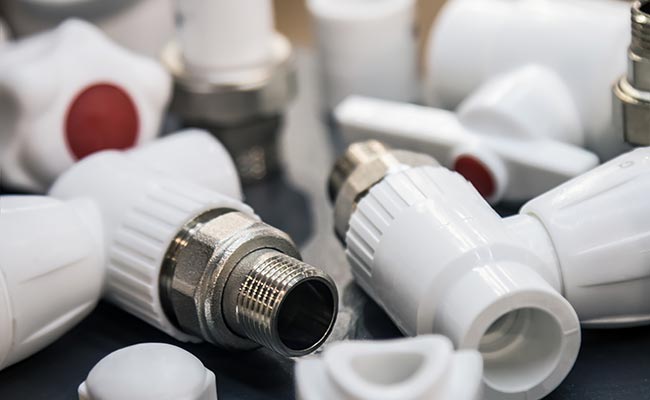
Angle valves made from PVC are essential components in plumbing systems. They allow for easy control of water flow. The design features a right angle, which aids in space management. This is particularly useful in tight areas. A user can easily turn the valve to shut off or adjust the flow. This functionality enhances efficiency in water management.
However, there are aspects to consider. While PVC offers durability, it's not immune to damage. Extreme temperatures can weaken the material over time. In situations where pressure changes occur, PVC might not perform optimally. Moreover, improper installation can lead to leaks or even bursts. It's vital to ensure correct fittings and to monitor for signs of wear. Regular inspection is essential for long-term reliability.
Interestingly, the aesthetics of PVC angle valves can be overlooked. They are often hidden behind walls or in cabinets. Nonetheless, a clean and tidy plumbing setup adds to the home’s overall appearance. Using PVC valves simplifies repairs and replacements, making it a practical choice for homeowners. As with any plumbing component, understanding their functionality is key to maintaining an efficient system.
Advantages of PVC Material in Plumbing Applications
PVC material has become a popular choice in plumbing for several reasons. It is lightweight, making it easy to handle during installation. This lightweight feature allows for less labor and reduced installation time. The durability of PVC is another critical aspect. It resists corrosion, which means it can last longer than metal pipes in various environments. A disadvantage, however, is that extreme temperatures can weaken PVC, raising concerns in specific applications.
Additionally, PVC’s cost-effectiveness cannot be overlooked. Compared to metal alternatives, PVC is more affordable. Many plumbers appreciate the ease of cutting and fitting PVC pipes, which streamlines the installation process. However, one must be cautious about the potential for leaks at joints if not installed properly. While PVC is rigid, flexibility can be a drawback in some situations. The inability to bend can lead to awkward bends in plumbing layouts.
On an environmental note, the manufacturing process of PVC does generate concerns. While it is recyclable, the infrastructure for recycling PVC is not as widespread as needed. It's essential to reflect on both its advantages and these challenges. Maintaining a balance between using efficient materials and considering environmental impacts is crucial for long-term sustainability in plumbing.
Top 10 Benefits of Using Angle Valve PVC in Plumbing Systems
| Benefit |
Description |
Impact on Plumbing |
| Corrosion Resistance |
PVC does not rust or corrode, ensuring durability. |
Increased longevity of plumbing systems. |
| Lightweight |
Easy to handle and install without heavy lifting equipment. |
Reduced labor costs and installation time. |
| Cost-effective |
Lower material costs compared to metal valves. |
Overall savings in plumbing projects. |
| Chemical Resistance |
Resistant to many acids, solvents, and chemicals. |
Suitable for various applications, including industrial. |
| Ease of Maintenance |
Simple to clean and service. |
Saves time and effort in upkeep. |
| Versatility |
Can be used in various plumbing systems. |
Applicable in residential and commercial settings. |
| Temperature Resistant |
Can handle a range of temperatures. |
Suitable for hot and cold water systems. |
| Non-toxic |
Safe for potable water applications. |
Ensures safe drinking water standards. |
| Aesthetic Appeal |
Available in various colors and styles. |
Enhances the look of plumbing installations. |
| Leak-proof Design |
Designed to prevent leaks and ensure tight seals. |
Reduces the risk of water damage. |
Cost-Effectiveness of Installing Angle Valve PVC
When considering the cost-effectiveness of installing angle valve PVC in plumbing systems, it's clear that this choice can lead to significant savings. According to recent industry reports, the material costs for PVC are generally lower than those for metal alternatives. This can cut installation expenses by up to 30%. The lightweight nature of PVC also reduces transportation and handling costs, making it a practical option for many projects.
Additionally, angle valve PVC systems offer increased longevity. Research indicates that PVC can resist corrosion, which is a common issue with metal pipes. This resistance often translates into lower maintenance costs over time. One report found that properties using PVC plumbing experience 25% fewer repairs than those using traditional materials.
However, it’s essential to consider installation nuances. While PVC is cost-efficient, improper installation can lead to leaks. Not every contractor is familiar with best practices for PVC fittings. Therefore, it’s wise to invest in skilled labor to ensure the system's integrity. In some cases, the initial savings could be offset by future issues if proper care isn’t taken during installation. Balancing upfront costs with potential long-term savings is key.
Top 10 Benefits of Using Angle Valve PVC in Plumbing Systems
Durability and Longevity of Angle Valve PVC
Angle valve PVC is an excellent choice for plumbing systems, particularly regarding durability and longevity. These valves can withstand varying temperatures and pressures, making them suitable for diverse applications. Unlike metal valves, they do not rust or corrode over time, which significantly enhances their lifespan. Their lightweight design also simplifies installation, yet this aspect can lead to challenges if not correctly handled.
While angle valve PVC is robust, it is not completely immune to damage. Exposure to harsh chemicals or extreme temperatures may weaken them. Proper handling and installation practices are essential for achieving optimal performance. Each valve should be regularly inspected for wear or leaks. A proactive approach can help identify issues before they escalate into costly repairs.
Ultimately, the longevity of angle valve PVC is shaped by both the quality of the material and the care taken during installation. Homeowners should pay attention to their plumbing systems. Investing time in maintenance can lead to long-lasting benefits. It's about balance—choosing the right products and ensuring they are well cared for.
Ease of Installation and Maintenance for Professionals
When it comes to plumbing systems, ease of installation is vital for professionals.
Angle valve PVC is lightweight and manageable. Many plumbers find it easy to cut and shape, allowing for quick adjustments on-site.
This flexibility helps in fitting various layouts and avoiding unnecessary delays.
Maintenance is another area where angle valve PVC shines. Its design minimizes leaks and wear, which means less time spent on repairs.
The smooth surface reduces buildup, making cleaning simpler. However, some may overlook the need for periodic inspections.
This could lead to unexpected issues later on.
Overall, angle valve PVC offers significant advantages but demands proactive care.
Staying attentive to maintenance can extend its lifespan. While it simplifies many tasks, ignoring details might lead to complications.
Balancing convenience with diligence is key for any plumbing professional.
Environmental Impact and Sustainability of PVC Products
PVC products are gaining attention for their environmental impact and sustainability. The production of Angle Valve PVC significantly requires less energy compared to metal alternatives. A report from PVC.org states that manufacturing PVC uses about 56% less energy than traditional materials like brass or copper. This lower energy consumption results in reduced greenhouse gas emissions.
Moreover, PVC's durability contributes to its sustainability. Studies indicate that PVC can last up to 100 years in plumbing systems, reducing the need for replacements. This longevity helps minimize waste in landfills. However, the life cycle of PVC raises questions. After disposal, PVC can release harmful chemicals if not handled properly. Recycling programs are essential to mitigate this risk.
There is also a growing concern about microplastics. Research by the European Chemicals Agency shows that PVC can break down into tiny plastic particles, potentially harming aquatic life. This contradiction highlights a need for improvement in disposal methods and recycling rates. As the industry moves forward, a balance between performance and environmental stewardship is crucial.
A Comprehensive Guide to PVC Butterfly Valves with Gear Handle: Benefits, Applications, and Selection Tips
PVC butterfly valves with gear handles are increasingly recognized for their versatility and reliability in various industrial applications. These valves, composed of materials like UPVC, CPVC, and PPG for the body and disc, demonstrate excellent resistance to corrosion and chemical exposure, making them suitable for controlling the flow of liquids and gases in chemical processing, water treatment, and plumbing systems. The seat seal, often made from materials such as EPDM or FPM (NBR), ensures a tight seal, minimizing leakage and enhancing operational efficiency.
Applications of PVC butterfly valves extend across multiple sectors, with industry reports indicating that their demand is growing due to the rising need for lightweight and low-maintenance valve solutions. According to a market analysis by Research and Markets, the global market for butterfly valves is expected to reach USD 3.44 billion by 2024, with a compound annual growth rate (CAGR) of around 5.2%. This growth can be attributed to advancements in valve technology and increased utilization in water supply and industrial applications, where ease-of-use and reliable performance are paramount.
When selecting PVC butterfly valves with gear handles, it is essential to consider the specifications of each component. The use of SUS304 steel for bolts and gearboxes made from iron contribute to the structural integrity and longevity of the valve, while the stem options, including steel and SUS grades, provide robust performance under various operating conditions. Proper selection based on these parameters is crucial to ensure optimal functionality and durability in demanding environments.
FAQS
: Content that promotes illegal activities or harmful substances is not allowed.
Focus on clarity and coherence. Use short sentences for better understanding.
There may be limits depending on the platform. Check the specific guidelines.
Avoid overly complex sentences and jargon. Simplicity is key for engagement.
Use personal anecdotes and specific examples. It helps readers connect better.
Feedback provides insights into areas that need development. It fosters growth.
Conclusion
Angle Valve PVC is increasingly becoming a preferred choice in plumbing systems due to its multiple benefits. This valve functions effectively in controlling water flow and is made from PVC material, which offers significant advantages such as resistance to corrosion and chemicals. The cost-effectiveness of installing Angle Valve PVC contributes to its popularity, providing a reliable option that does not compromise on budget.
Moreover, the durability and longevity of Angle Valve PVC make it a practical choice for both residential and industrial applications. Its ease of installation and maintenance streamlines plumbing processes for professionals, ensuring that systems run smoothly with minimal effort. Additionally, the environmental impact and sustainability of PVC products underscore their value in modern plumbing solutions. Overall, Angle Valve PVC stands out as a formidable option for enhancing plumbing efficiency and sustainability.