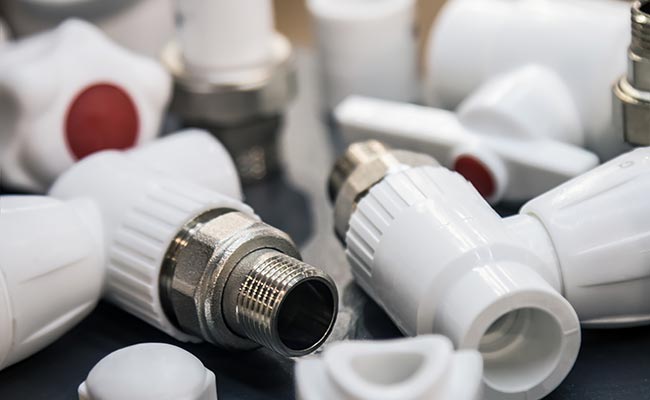
When it comes to plumbing and managing fluid flow, the PVC Non Return Valve really stands out for being both reliable and efficient. John Smith, who’s a top expert over at FlowTech Solutions, puts it pretty simply: "The PVC Non Return Valve is a must-have for stopping backflow and keeping your system solid." These valves are pretty vital in a bunch of different setups—they help prevent leaks and make sure the flow stays in the right direction.
What’s cool about PVC Non Return Valves is that they’re built to handle high pressure, but they’re also lightweight compared to traditional options. That means they can save you some money and also make installation a lot easier. But, fair warning— not all of these valves are made equal. Some cheaper designs might not hold up as well under tougher conditions. So, it’s really worth investing in good quality ones to avoid having to replace them too soon.
And here’s a little tip— people often forget that these valves still need some TLC. While they don’t require a ton of maintenance, ignoring them can lead to problems down the line. It’s definitely smart to check regularly and make sure they’re working properly to keep everything running smoothly. Knowing the ups and downs of PVC Non Return Valves can help you make smarter choices, which means your system stays safe and runs like a charm.
PVC non-return valves play a crucial role in water management systems. They effectively prevent backflow, ensuring the continuous and efficient flow of water. According to the American Water Works Association, proper backflow prevention can reduce contamination risks by up to 90%. This makes PVC non-return valves essential for maintaining clean water supplies.
These valves are lightweight and easy to install. Their corrosion resistance further enhances their longevity in various environments. A report from the International Water Association states that PVC systems can reduce maintenance costs by 30% compared to traditional metal options. However, there are cases where improper installation can lead to leaks or failures over time. Regular inspections are necessary to ensure optimal performance.
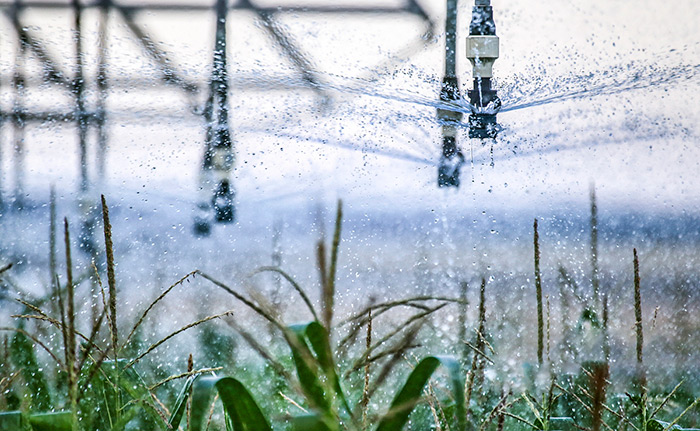
In agricultural applications, PVC non-return valves help manage irrigation systems effectively. They maintain pressure and facilitate water distribution without waste. While these valves offer clear benefits, end-users should remain aware of their limitations. Not all models may suit every application, necessitating careful consideration before selection. This highlights the importance of informed decision-making in water management systems.
PVC non-return valves are essential for improving flow efficiency in various systems. These valves prevent backflow, ensuring that fluids continue moving in the intended direction. According to recent industry reports, the use of non-return valves can enhance flow efficiency by up to 30%. This efficiency boost is crucial for both residential and industrial applications. With proper installation, users can enjoy smoother operations and lower energy costs.
One important tip is to ensure proper sizing of the PVC non-return valves. Mismatched sizes can lead to pressure drops and reduced efficiency. Regular maintenance checks are vital as well. Even minor leaks or blockages can decrease performance. A simple inspection routine can go a long way in maintaining optimal flow.
Moreover, consider the installation environment. Exposure to harsh chemicals or extreme temperatures can affect valve performance. While PVC is durable, it’s not invulnerable. Reflecting on these factors can lead to informed choices, ultimately improving system reliability and longevity. Regular updates to maintenance protocols based on flow performance data can also yield significant benefits. This approach supports continuous improvement in system design and efficiency.
PVC non-return valves are known for their durability and longevity. They resist corrosion effectively, ensuring a longer lifespan compared to other materials. This resistance is crucial in various applications. They can handle different chemicals without significant wear. The material itself does not degrade quickly, which is a common issue in metal valves.
These valves can withstand pressure fluctuations, making them reliable under stress. However, not all installations are perfect. Sometimes, improper installation can lead to failures. Regular maintenance is necessary, even for durable products. Small issues can escalate if overlooked. Catching these problems early can save time and resources.
In environments with extreme temperatures, PVC shows remarkable resilience. Its ability to perform well in both hot and cold conditions is impressive. Still, it’s important to assess specific application needs. Some users may discover that PVC isn’t suitable for every scenario. Always consider local conditions before making a choice. Adjusting expectations based on real-world performance is key to maximizing benefits.
When it comes to plumbing solutions, PVC non-return valves offer impressive cost-effectiveness. These valves prevent backflow in pipes, ensuring efficient water flow. The installation process is relatively simple, which saves on labor costs. A DIY approach is possible for many, making it even more budget-friendly. However, some may overlook the need for proper sizing during installation, leading to inefficiencies over time.
Investing in PVC non-return valves can lead to long-term savings. They reduce the risk of water damage and potential repairs. Additionally, these valves require minimal maintenance, which can save on future service costs. Remember, cheap is not always better. An improperly installed valve can cause leaks. It's essential to weigh the upfront costs against potential future expenses.
The durability of PVC materials also contributes to their cost-effectiveness. They typically last longer than other types of valves. However, environmental considerations come into play. While PVC is affordable, its production raises concerns. A proper balance is needed between cost and sustainability.
PVC non-return valves are known for their ease of maintenance. Their lightweight design makes installation and inspection straightforward. This is especially beneficial in applications with tight spaces. A study by the American Society of Mechanical Engineers (ASME) shows that proper maintenance can increase the lifespan of a valve by 30%. Regular checks are less time-consuming with PVC materials.
Cleaning PVC non-return valves often requires minimal effort. A simple rinse can remove most debris. Users typically find that routine maintenance involves inspecting seals for wear. The lack of corrosion also lessens the need for regular replacements. According to industry reports, nearly 40% of valve issues stem from neglecting maintenance.
However, maintenance can still reveal challenges. For example, dirt can accumulate in hard-to-reach areas. Users may overlook these spots, leading to potential failures. It’s essential to have a systematic approach to cleaning. Establishing a schedule helps in consistently preserving functionality. Investing time in maintenance pays off in the long run.
PVC non-return valves are becoming essential in various industries due to their versatility. These valves are crucial in water management systems, preventing backflow. According to a recent industry report, about 30% of municipal water systems utilize non-return valves to maintain system integrity. Their lightweight design allows easy installation, saving both time and labor costs.
In the agricultural sector, PVC non-return valves are vital for irrigation systems. They ensure that water flows in one direction, enhancing efficiency. Reports indicate that improper water flow can reduce crop yields by up to 20%. This highlights the importance of using the right components in agricultural infrastructure. However, some users still face challenges with durability, especially in extreme temperatures. A reflective approach is necessary to improve product performance.
Moreover, in the construction industry, these valves are widely used in drainage systems. They help maintain sanitary conditions by preventing sewage backflow. Many construction managers have noted that well-installed PVC valves can significantly enhance project reliability. However, inconsistent manufacturing quality can lead to failures. It raises questions about standards in production. Addressing these issues is crucial for future improvements.
PVC non-return valves are essential for fluid systems. They prevent backflow while being lightweight and cost-effective. However, their environmental impact deserves attention. While PVC offers durability, the production process can release harmful chemicals. This raises concerns about land and water pollution.
Using these valves can be a double-edged sword. On one hand, they reduce water wastage by ensuring efficient flow. On the other hand, the disposal of PVC material is challenging. Recycling options are limited, which may contribute to long-term environmental harm.
Tip: When choosing PVC valves, consider their lifecycle. Look for manufacturers that prioritize eco-friendly practices. Always question the disposal methods available in your area.
Another area to reflect on involves installation. Poor installation can lead to leaks and inefficiency. Ensure proper sealing and tight connections to maximize their benefits.
Tip: Regular maintenance checks are crucial. This ensures the valves operate efficiently and last longer. Remember, efficiency isn’t just about performance; it’s also about sustainability.
: They prevent backflow and ensure continuous water flow. This maintains clean water supplies effectively.
Reports show they can lower maintenance costs by around 30% compared to traditional options. This can be a significant benefit.
Improper installation can cause leaks and failures. Regular inspections can help maintain optimal performance over time.
They are essential in water management and agricultural irrigation systems, improving efficiency significantly.
Not all models suit every application. Careful consideration of the specific needs is necessary for performance.
Harsh chemicals and extreme temperatures can impact performance. Reflecting on these factors helps improve reliability.
Using mismatched valve sizes can cause pressure drops. Proper sizing is vital for maintaining efficiency.
Some users experience durability issues in extreme conditions. This requires reflection and potential design improvements.
Regular updates based on flow performance data can significantly enhance system design and operational efficiency.
Inconsistent manufacturing quality can lead to failures and affect overall system reliability. Addressing these standards is crucial.
PVC non return valves offer numerous benefits in water management systems, primarily by improving flow efficiency and preventing backflow. Their design ensures smooth operation, enhancing the reliability of fluid transport, which is crucial in various applications. Additionally, these valves are known for their durability and longevity, often outlasting traditional materials, which leads to lower replacement costs over time.
In terms of maintenance, PVC non return valves are easy to service, minimizing downtime and operational disruptions. Their versatility allows them to be utilized across different industries, making them a popular choice in both residential and commercial applications. Furthermore, the environmental impact of using PVC non return valves is favorable, as their longevity decreases the need for frequent replacements, promoting sustainable practices in water management. Overall, incorporating PVC non return valves in systems contributes significantly to efficiency and sustainability.