You know, in the ever-changing world of plumbing, choosing the right materials and fittings really makes a big difference when it comes to how long your system will last and how smoothly it runs. One cool innovation that’s been catching on lately is the Upvc Handle Valve. I was reading what Dr. Emily Thompson—a real expert in plumbing tech—had to say about it, and she mentioned that "The Upvc Handle Valve offers unbeatable durability and is super easy to operate, making it a top pick both for homes and businesses." Honestly, her words really emphasize how important this little gadget has become in modern plumbing setups.
What makes the Upvc Handle Valve stand out? Well, for starters, it’s incredibly resistant to rust and chemical damage, so it tends to last way longer than those old-school valves. Plus, it’s lightweight and ergonomic, which means installing and fixing things doesn’t have to be a hassle. Whether you’re working on water supply lines or waste management, there’s no denying how many benefits these valves bring to the table. As we take a closer look at the top ten reasons to choose Upvc Handle Valves, it’s pretty clear why they’re now a must-have in any plumber’s toolkit.

Overview of UPVC Handle Valves and Their Functionality
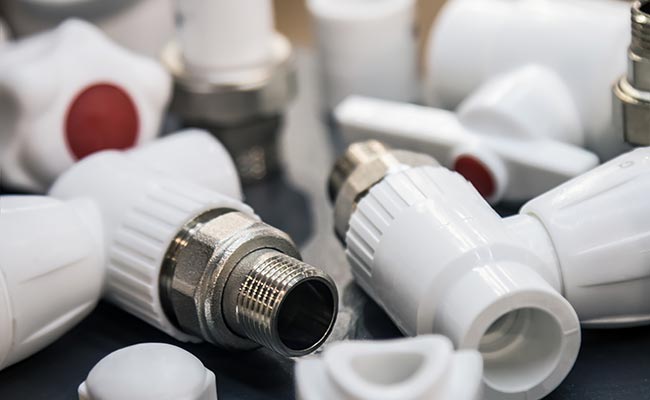
UPVC handle valves play a crucial role in modern plumbing systems, offering several advantages due to their design and functionality. Made from unplasticized polyvinyl chloride (UPVC), these valves are lightweight yet durable, making them ideal for managing the flow of water and other liquids in residential and commercial settings. UPVC handle valves are resistant to corrosion and chemicals, which allows them to maintain performance over time without the wear and tear that metal counterparts might experience. Their simplistic manual operation with a rotating handle enhances user control, providing a reliable way to regulate water flow effectively.
When considering UPVC handle valves for your plumbing needs, it's essential to pay attention to the installation process. Ensure that the pipes are clean and the fittings are compatible to prevent leaks. Additionally, regularly check for any wear or damage, as maintaining these valves can prolong their lifespan.
One key tip for choosing UPVC handle valves is to match the valve size with your plumbing system requirements. Using appropriately sized valves enhances efficiency and minimizes the risk of pressure issues. Always consult with a plumbing professional if in doubt about the specifications needed for your project. By incorporating UPVC handle valves into your plumbing system, you can benefit from improved durability and ease of use.
Advantages of Choosing UPVC Over Traditional Materials
When it comes to plumbing applications, choosing the right materials can significantly impact the efficiency and longevity of your systems. One notable option that has gained popularity over traditional materials like metal and PVC is UPVC (Unplasticized Polyvinyl Chloride). The benefits of UPVC handle valves are multifaceted, moving beyond basic functionality to enhance overall plumbing performance. According to industry reports, UPVC can last over 50 years with minimal maintenance, while traditional materials may require more frequent replacements, leading to higher long-term costs.
One of the standout advantages of UPVC over traditional materials is its resistance to corrosion and chemical damage. Unlike metals, which can rust or degrade when exposed to harsh chemicals, UPVC exhibits exceptional durability in various environments. This property not only ensures a longer lifecycle but also maintains the quality of water, making it safe for consumption. Furthermore, UPVC handle valves are lightweight and easy to install, reducing labor costs associated with plumbing projects.
Tips: When selecting UPVC valves for your plumbing needs, always look for certified products that meet industry standards to ensure reliability. Additionally, consider UV-resistant options if your application involves exposure to sunlight, as this will help maintain the integrity of the material. Lastly, consult with a plumbing professional to assess your specific requirements; their expertise can guide you in making an informed choice that optimizes the performance of your plumbing system.
Durability of UPVC Handle Valves in Plumbing Applications
UPVC handle valves are increasingly becoming the preferred choice for plumbing applications due to their remarkable durability. Unlike traditional metal valves, UPVC (Unplasticized Polyvinyl Chloride) valves are resistant to corrosive substances, ensuring longevity even in harsh environments. According to a report by the American Society of Testing and Materials (ASTM), UPVC materials can last over 50 years under normal operating conditions, significantly reducing the need for replacements—saving both time and money for homeowners and businesses alike.
One of the key advantages of UPVC handle valves is their ability to withstand high pressures without compromising structural integrity. This is particularly important in plumbing systems that require reliable flow management and secure sealing. The Engineering Toolbox states that UPVC is capable of managing pressures up to 10 bar, making it suitable for a variety of plumbing needs without the risk of leaks or failures.
Tips: When selecting UPVC handle valves, ensure you check the pressure rating to match your system’s requirements. Additionally, consider temperature resistance as UPVC can typically handle temperatures up to 60°C, making it essential to evaluate your plumbing environment thoroughly. Regular maintenance, such as checking for any signs of wear or buildup, can further enhance the lifespan of your UPVC valves, ensuring they perform optimally for years to come.
Cost-Effectiveness of UPVC Handle Valves for Homeowners
When it comes to plumbing solutions, cost-effectiveness is a vital consideration for homeowners.
UPVC handle valves emerge as an excellent choice due to their affordable pricing and longevity.
According to a report by Freedonia Group, the demand for UPVC products, including valves, is expected to grow significantly, driven by their economic advantages and durability.
UPVC handle valves, being resistant to corrosion and chemical damage, can last up to 50 years with minimal maintenance,
reducing replacement costs and labor significantly over time.
Moreover, the installation of UPVC handle valves often incurs lower labor costs compared to metal alternatives.
A study from the International Association of Plumbing and Mechanical Officials indicated that the lightweight nature of UPVC makes it easier to transport and install,
leading to faster completion times for plumbing projects. This efficiency translates into direct savings for homeowners, making UPVC not just a durable option,
but also a budget-friendly one. As the trend towards cost-effective plumbing increases, the adoption of UPVC handle valves is poised to benefit homeowners looking to balance quality with affordability.
Resistance to Corrosion and Chemical Damage in UPVC Valves
UPVC handle valves are increasingly becoming the go-to choice for plumbing applications, particularly because of their impressive resistance to corrosion and chemical damage. Unlike traditional metal valves, UPVC valves are engineered from unplasticized polyvinyl chloride, which provides a robust barrier against the harsh effects of various chemicals and environmental factors. This corrosion resistance significantly extends the lifespan of the valves, making them a reliable option in both residential and industrial settings where exposure to aggressive substances is common.
Additionally, the chemical-resistant properties of UPVC valves make them an ideal solution for plumbing systems that handle a wide range of fluids, including acidic or alkaline solutions. Their ability to maintain structural integrity under challenging conditions mitigates the risk of leaks and failures, thereby enhancing system efficiency and safety. Furthermore, the lightweight nature of UPVC allows for easier installation and maintenance, facilitating a smoother process when repairs or replacements are required. Ultimately, the resistance to corrosion and chemical damage not only bolsters the performance of UPVC handle valves but also ensures long-term cost savings for users.
Easy Installation and Maintenance of UPVC Handle Valves
UPVC handle valves are increasingly becoming the go-to solution for plumbing needs, primarily due to their easy installation and maintenance. When it comes to setting up these valves, the process is straightforward, requiring minimal tools and expertise. Unlike traditional metal valves, UPVC valves are lightweight and can be easily handled by most DIY enthusiasts. Their design typically incorporates clear instructions, and most fittings can be done without the need for specialized equipment, which reduces installation time significantly.
Maintenance is another crucial benefit of UPVC handle valves. They are resistant to corrosion and rust, which means they require less frequent upkeep compared to their metal counterparts. A simple periodic check-up is often sufficient to ensure optimal performance. In the event of an issue, the repair process is hassle-free, allowing homeowners to quickly address any leaks or functionality problems. This combination of simplicity in installation and minimal maintenance requirements makes UPVC handle valves an ideal choice for homeowners looking to ensure durability and efficiency in their plumbing systems.
Top 10 Benefits of Using UPVC Handle Valves for Your Plumbing Needs
This chart represents the top benefits of using UPVC handle valves for plumbing. Each benefit is rated on a scale of 1 to 10 based on user feedback and plumbing efficiency improvements.
Environmental Benefits of Using UPVC in Plumbing Systems
The use of UPVC (Unplasticized Polyvinyl Chloride) in plumbing systems offers significant environmental benefits, making it a preferred choice for sustainable construction practices. According to a report by the Plastics Industry Association, UPVC is 100% recyclable, which contributes to reducing waste in landfills. When properly recycled, UPVC products can be reprocessed into new materials, thus minimizing the need for virgin plastic production, which in turn reduces energy consumption and greenhouse gas emissions. This is particularly relevant in plumbing systems, where durability and longevity mean fewer replacements and less material waste over time.
Moreover, UPVC's resistance to corrosion and chemical damage enhances its lifespan compared to traditional materials such as metal pipes. The World Health Organization has noted that the use of UPVC in water supply systems can lead to safer drinking water, as it does not leach hazardous substances into the water supply like some other materials might. This not only ensures a healthier environment for consumers but also supports the sustainability goals of plumbing projects by maintaining the integrity of water resources. The shift towards UPVC in plumbing not only reflects a commitment to environmental stewardship but also aligns with global efforts to promote eco-friendly building practices.
Ultimate Guide to Choosing the Right Pntek HDPE Stop Valve for Efficient Water Supply Management
When managing an efficient water supply system, selecting the right stop valve is crucial. The Pntek HDPE stop valve stands out as a top choice due to its robust advantages. First and foremost, the lightweight and flexible nature of HDPE fittings makes them easy to handle and install, significantly reducing labor costs. The materials are chemically inert, ensuring that no harmful substances leach into the water supply, promoting hygienic safety. Additionally, HDPE boasts excellent resistance to abrasion, corrosion, and environmental stress, making it suitable for various challenging conditions.
Another notable benefit of HDPE stop valves is their impressive durability and ease of installation. They maintain reliable connectivity and high interface strength, ensuring a stable performance even under fluctuating environmental conditions. The integrated hidden spiral heating wires enhance welding performance by resisting oxidation and corrosion, leading to a lower total cost of equipment investment and maintenance. With these features, the Pntek HDPE stop valve offers not only efficiency but also longevity, making it a wise investment for effective water supply management.
FAQS
: UPVC handle valves are made of Unplasticized Polyvinyl Chloride, which is known for its durability and resistance to corrosion.
UPVC valves can last over 50 years under normal operating conditions according to industry standards.
UPVC handle valves can manage pressures up to 10 bar, making them suitable for various plumbing needs.
No, UPVC handle valves are easy to install and typically require minimal tools and expertise, making them accessible for DIY enthusiasts.
UPVC handle valves require less frequent maintenance due to their corrosion resistance; a simple periodic check-up is usually sufficient.
UPVC is 100% recyclable, which helps reduce waste in landfills, and its durability leads to fewer replacements and less material waste over time.
Yes, UPVC does not leach hazardous substances into the water supply, contributing to safer drinking water.
UPVC handle valves can typically handle temperatures up to 60°C, making them suitable for various plumbing environments.
The durability and recyclability of UPVC reduce the need for virgin plastic production, lowering energy consumption and greenhouse gas emissions.
Yes, repairs to UPVC handle valves are hassle-free, allowing homeowners to quickly address any leaks or functionality issues.
Conclusion
UPVC handle valves have gained significant popularity in plumbing systems due to their numerous advantages over traditional materials. These valves offer exceptional durability, making them ideal for a variety of plumbing applications. Homeowners appreciate the cost-effectiveness of UPVC handle valves, as they require minimal investment in both purchase and long-term maintenance. The resistance of UPVC to corrosion and chemical damage further enhances their appeal, ensuring longevity and reliability in demanding environments.
Additionally, the installation process of UPVC handle valves is straightforward, allowing for quick setup without requiring specialized skills. This not only saves time but also minimizes labor costs. Furthermore, the environmental benefits of using UPVC in plumbing systems contribute to sustainable practices by reducing the need for frequent replacements. Overall, the benefits of UPVC handle valves make them a smart choice for anyone looking to enhance their plumbing infrastructure efficiently and effectively.