
When it comes to managing industrial fluids, you really can't overlook how important good drainage and flow control are. PVC Y valves have become pretty much a go-to in lots of different areas — from watering crops on farms to handling wastewater in cities. I recently read in a report by Global Market Insights that the PVC valve market is expected to see some serious growth, mainly because more industries are looking for durable and affordable solutions that help make liquid management smoother and more efficient. What makes PVC Y valves stand out is their clever design, which guides the flow perfectly—this means less pressure loss and better drainage overall.
Plus, with more companies pushing for eco-friendly practices, these valves are more relevant than ever since they’re recyclable. They're also pretty versatile, fitting into a wide range of setups and helping meet the increasingly complex demands of modern infrastructure. As industries attempt to run things more efficiently and stay in line with environmental rules, investing in quality PVC Y valves is a smart move for ensuring everything runs smoothly and stays compliant in the long run.

Overview of PVC Y Valves and Their Applications
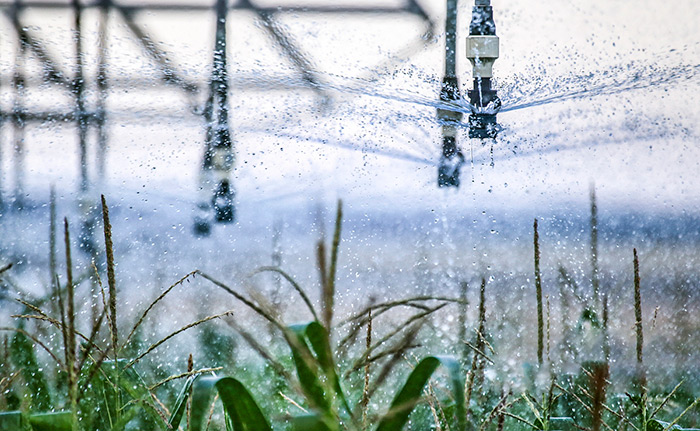
PVC Y valves are essential components in various plumbing and drainage systems, designed to facilitate optimal flow control. These valves, shaped like the letter "Y", allow fluid to be diverted from a main line to two separate outlets. This design is particularly useful in applications where efficient drainage and flow management are critical, such as in agricultural irrigation, aquaculture, and industrial processes. By enabling the redirection of water or other liquids, PVC Y valves contribute to more effective system operations.
When selecting a PVC Y valve, consider the specific requirements of your application. Look for factors such as pressure ratings, temperature tolerances, and compatibility with the fluids being transported. Proper installation is crucial for preventing leaks or blockages that could disrupt flow.
Tips: Always double-check the size of the valve to ensure a proper fit within your plumbing system. Regular maintenance and inspection can help prolong the life of the valve and ensure optimal performance. Additionally, when cutting PVC pipes for installation, use a clean, straight cut to promote a better seal.


Comprehensive Guide to Choosing CPVC Ball Valves for Plumbing: Essential Insights for Cold and Hot Water Supply Systems
When selecting CPVC ball valves for plumbing systems, particularly for both hot and cold water supply, it's essential to consider several factors to ensure that you make an informed decision. CPVC, or chlorinated polyvinyl chloride, is favored for its resistance to corrosive materials and high temperatures, making it a suitable choice for various plumbing applications. When evaluating the types of valves available, you'll find a range of pipe sizes from 1/2 inch to 2 inches, allowing for flexibility depending on the requirements of your plumbing system.
Additionally, the construction material of the valve greatly influences its performance and longevity. CPVC ball valves are designed to offer a reliable seal, minimizing the risk of leaks and maximizing the durability of your plumbing infrastructure. For instance, a 1-1/2 inch CPVC ball valve is an excellent option for medium-scale water flow applications, available at a competitive price. These valves can efficiently handle the demands of both residential and commercial plumbing systems, ensuring reliable operation under varying pressure conditions.
Ultimately, understanding the specific needs of your plumbing project will guide your choice of CPVC ball valves, ensuring that you select the most appropriate size and type for your application. By focusing on quality materials and appropriate sizing, you can guarantee that your plumbing systems will function effectively, regardless of the temperature of the water being supplied.

FAQS
: Key factors include the valve's size, pressure rating, design and construction materials, ease of installation and maintenance, and the sealing mechanism.
The size influences flow rates and compatibility with existing piping systems; selecting the correct diameter ensures fluid can pass through without excessive pressure drop or turbulence.
The pressure rating is crucial to ensure the valve can withstand operational conditions without failing or causing leaks.
High-quality PVC is essential for durability and corrosion resistance, particularly in environments exposed to chemicals or varying temperatures.
Regular inspections for leaks, checking for obstructions, verifying that gaskets and seals are intact, and periodic flushing of the valve are important maintenance practices.
Neglecting maintenance can lead to decreased performance, increased energy consumption, and ultimately costly breakdowns in fluid management systems.
A well-designed sealing mechanism prevents leaks and helps maintain system efficiency, contributing to the longevity of the drainage solution.
Quick-connect fittings simplify installation and maintenance, making it easier to set up and perform routine checks on the valve.
Regular inspections should be conducted periodically to detect leaks and ensure the valve operates efficiently.
Even slight wear can decrease performance, leading to increased energy consumption and operational costs.
Conclusion
PVC Y valves are essential components for effective flow control and drainage solutions across various applications. This article provides a comprehensive overview of PVC Y valves, highlighting their key features, benefits, and the importance of selecting the right type for specific needs. By understanding the advantages of using PVC Y valves, such as their durability and efficient flow management, users can make informed decisions.
Additionally, the article offers valuable installation tips and maintenance procedures to ensure optimal performance of PVC Y valves in drainage systems. It also addresses common issues and troubleshooting methods, empowering users to resolve potential problems effectively. Overall, this resource serves as a practical guide for anyone looking to enhance their drainage solutions with PVC Y valves.
Related Posts
-

10 Essential Tips for Choosing the Right PVC Check Valves for Your System
-

The Ultimate Guide to PVC Butterfly Valves: Revolutionary Solutions for Fluid Control
-
7 Essential Tips for Choosing the Best 6 PVC Ball Valves for Your Projects
-

5 Tips for Choosing the Right 2 PVC Valves for Your Project
-

How to Choose the Right PVC Pipe Valve for Your Plumbing Needs
-

Why Choose PVC Pipe Valves for Your Plumbing Needs and Benefits They Offer

Ethan
Application

Underground pipeline
Irrigation System
Water Supply System
