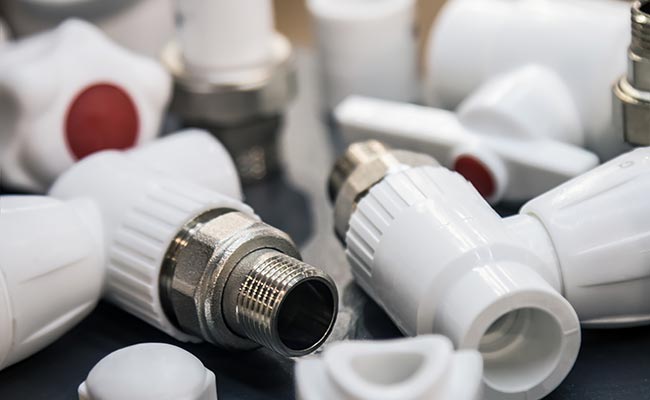
When you're picking out materials for your plumbing projects, the choice of valves and fittings really matters if you want things to last and work well. Among the options out there, CPVC valves and fittings have become pretty popular for both homes and businesses. They're known for resisting corrosion and scaling—so they don't get blocked or damaged easily—and they can handle a good range of water temperatures, making them super versatile for different water systems.
What’s nice about CPVC components is how strong yet lightweight they are. That makes them easier to handle and install, even if you're not a pro. Their smooth interior also helps water flow smoothly, which means less chance of clogs and better overall performance. Plus, installing CPVC stuff is usually pretty straightforward and needs fewer tools than older materials—so it saves time and cuts down on costs.
By choosing CPVC valves and fittings, you're basically investing in reliable, high-quality parts that will last a long time. They’re a smart pick if you want a durable, efficient plumbing setup. As you’re figuring out what to go with, think about how CPVC aligns with your project needs—it's a solid way to make sure your plumbing holds up and performs well over time.

Advantages of CPVC Valves and Fittings in Modern Plumbing Systems
CPVC valves and fittings have become increasingly popular in modern plumbing systems due to their numerous advantages. One of the primary benefits of CPVC materials is their resistance to corrosion and chemical degradation. Unlike traditional metal pipes, CPVC does not rust or corrode, making it an ideal choice for transporting a wide range of liquids, including potable water. This durability ensures that the plumbing infrastructure remains intact over time, reducing the need for frequent repairs and replacements.
In addition to their corrosion resistance, CPVC valves and fittings provide excellent thermal insulation. They can withstand high temperatures without compromising their structural integrity, making them suitable for hot water applications. The lighter weight of CPVC also simplifies the installation process, allowing for easier handling and reduced labor costs. Furthermore, the smooth interior surfaces of CPVC plumbing components minimize friction loss, enhancing the overall efficiency of fluid flow within the system. These features combined make CPVC an excellent choice for both residential and commercial plumbing projects, ensuring long-lasting performance and reliability.
Advantages of CPVC Valves and Fittings in Modern Plumbing Systems
Durability and Longevity of CPVC Compared to Traditional Materials
When it comes to plumbing projects, the choice of materials can significantly impact both the efficiency and durability of a system.
CPVC (Chlorinated Polyvinyl Chloride) valves and fittings have gained notable attention due to their impressive longevity compared to traditional materials such as copper and galvanized steel.
Industry reports indicate that CPVC can last over 50 years under optimal conditions, thanks to its excellent resistance to corrosion and scale build-up, which are common issues plaguing traditional metal pipes.
This long lifespan not only reduces replacement costs but also minimizes maintenance efforts over time.
Moreover, CPVC's resilience against high temperatures and pressures further sets it apart.
It can withstand temperatures up to 200°F (93°C), making it suitable for hot water applications. According to a study conducted by the Plastics Pipe Institute, CPVC systems can handle a range of chemical environments without degrading, a feature especially beneficial in commercial plumbing where exposure to harsh substances is typical.
This adaptability ensures that CPVC maintains its structural integrity far longer than conventional materials, making it an ideal choice for both residential and industrial plumbing projects.
The combination of longevity and durability makes CPVC valves and fittings a wise investment for any plumbing initiative.
Temperature and Pressure Ratings of CPVC for High-Performance Plumbing
When it comes to plumbing projects, the
temperature and pressure ratings of CPVC (Chlorinated Polyvinyl Chloride) are
critical factors that set it apart from other materials. CPVC pipes and fittings are designed to
withstand high temperatures, often rated for continuous service at 200°F (93°C)
and capable of handling intermittent temperatures up to 220°F (104°C).
According to the Plastic Pipe and Fittings Association (PPFA), these attributes make CPVC an
ideal choice for hot water plumbing systems in both residential and commercial applications.
In terms of pressure ratings, CPVC exhibits excellent performance under significant pressure
conditions. Typically, CPVC can handle pressures of up to 400 psi
at 73°F (23°C), while this rating decreases with rising temperatures.
A report by the American Society for Testing and Materials (ASTM) highlights that CPVC maintains
a high-pressure rating in environments that would cause other materials to fail.
This resilience is particularly advantageous in industrial plumbing systems where fluctuations in
temperature and pressure are common, ensuring safety and reliability in applications
ranging from simple household installations to demanding industrial processes.
Cost-Effectiveness of CPVC in Residential and Commercial Installations
When it comes to plumbing projects, the choice of materials plays a significant role in overall cost management. CPVC, or chlorinated polyvinyl chloride, has emerged as a cost-effective alternative to traditional plumbing materials like copper and steel. Its lightweight nature not only reduces shipping and handling costs but also simplifies installation, ultimately leading to savings on labor. Additionally, CPVC pipes are resistant to corrosion and scaling, which can result in lower maintenance costs and extended lifespan for plumbing systems.
In residential and commercial installations, the affordability of CPVC materials extends beyond initial purchase price. The energy efficiency provided by CPVC plumbing systems can lead to reduced heating costs, especially in hot water applications. Its superior insulation properties minimize heat loss, ensuring hot water remains at temperature while traveling through the pipes. Furthermore, the longevity and durability of CPVC contribute to lower total cost of ownership, making it a smart investment for both homeowners and businesses looking to optimize their plumbing infrastructure without sacrificing quality or performance.
Why Choose CPVC Valves And Fittings for Your Plumbing Projects - Cost-Effectiveness of CPVC in Residential and Commercial Installations
| Dimension |
CPVC |
Copper |
PVC |
| Initial Cost per 100 ft |
$0.80 - $1.00 |
$3.00 - $5.00 |
$0.50 - $0.80 |
| Lifespan (Years) |
50+ |
70+ |
30+ |
| Temperature Resistance (°F) |
200 |
400 |
140 |
| Installation Labor Cost |
Low |
High |
Medium |
| Corrosion Resistance |
Excellent |
Poor |
Good |
Chemical Resistance of CPVC: A Key Factor for Diverse Applications
CPVC (Chlorinated Polyvinyl Chloride) valves and fittings have become increasingly popular in plumbing projects due to their exceptional chemical resistance. This characteristic makes CPVC ideal for a wide range of applications, particularly in environments where exposure to corrosive substances is a concern.
Unlike traditional materials that may degrade over time when in contact with chemicals, CPVC maintains its integrity, ensuring longevity and reliability in plumbing systems. Its ability to withstand harsh chemicals allows it to be used in industrial, commercial, and residential settings without compromising on safety or performance.
The chemical resistance of CPVC enhances its versatility across various industries, including chemical processing, water treatment, and even residential plumbing. In environments where other materials may succumb to corrosion or deterioration, CPVC provides a robust solution that protects the plumbing infrastructure.
This resistance not only minimizes the risk of leaks and failures but also reduces maintenance costs over time. Consequently, choosing CPVC valves and fittings not only enhances the durability of plumbing systems but also proves to be a cost-effective choice for long-term applications.
Environmental Benefits of Using CPVC in Plumbing Projects
When considering plumbing materials, the environmental benefits of using CPVC (chlorinated polyvinyl chloride) stand out prominently. Unlike traditional metal pipes, CPVC is manufactured through a process that significantly reduces the emission of harmful pollutants. This plastic material is lightweight and easy to install, leading to lower energy consumption during transportation and installation phases. Furthermore, CPVC does not corrode over time, which not only extends its lifespan but also prevents the leaching of metals and chemicals into water supplies, contributing to safer drinking water and a healthier ecosystem.
Another significant advantage of CPVC is its recyclability. At the end of its life cycle, CPVC can be recycled and repurposed, minimizing landfill waste and promoting a circular economy. Additionally, the use of CPVC can lead to reduced water heating costs due to its insulating properties that help maintain temperature. This energy efficiency reduces overall energy consumption, aligning with broader environmental goals of lowering greenhouse gas emissions and promoting sustainable practices in plumbing projects. By choosing CPVC, homeowners and contractors can make a positive impact on the environment while ensuring reliable plumbing solutions.
Installation Ease: How CPVC Saves Time and Labor Costs in Projects
When it comes to plumbing projects, the choice of materials can significantly impact the overall efficiency and cost-effectiveness of installation.
CPVC (Chlorinated Polyvinyl Chloride) valves and fittings stand out for their remarkable ease of installation, allowing contractors and DIY enthusiasts alike to complete tasks with greater speed and less labor.
The lightweight nature of CPVC makes it easy to handle and position, reducing the physical strain during setup. Unlike traditional metal pipes that may require heavy tools and fittings, CPVC systems are designed for simple solvent welding, which expedites the joining process and minimizes the need for complex equipment.
Moreover, the versatility of CPVC fittings contributes to smoother workflows on site. They can be easily cut to size with minimal tools, allowing for rapid adjustments on the go.
This adaptability not only saves time but also reduces the likelihood of errors that often occur with rigid piping systems. The resistance of CPVC to corrosion and scaling means that installations are not only easier but also promise longevity with less maintenance, offering peace of mind to both installers and homeowners.
By choosing CPVC valves and fittings, plumbing professionals can achieve efficiency that translates into reduced labor costs and faster project turnaround times.
FAQS
: CPVC valves and fittings are resistant to corrosion and chemical degradation, ensuring durability and reducing the need for frequent repairs. They also provide excellent thermal insulation, withstand high temperatures, and have a smooth interior that minimizes friction loss, enhancing fluid flow efficiency.
Unlike traditional metal pipes, CPVC does not rust or corrode, making it a more reliable option for transporting various liquids, including potable water. This characteristic contributes to its long-lasting performance in plumbing systems.
Yes, CPVC can withstand high temperatures without compromising its structural integrity, making it an ideal choice for hot water applications in both residential and commercial plumbing projects.
CPVC is manufactured through a process that reduces harmful emissions, is lightweight for lower energy consumption during transportation, and does not corrode, preventing contamination of water supplies. These factors contribute to a healthier ecosystem.
Yes, CPVC can be recycled and repurposed at the end of its life cycle, which helps minimize landfill waste and supports a circular economy.
The insulating properties of CPVC help maintain water temperature, which can lead to reduced water heating costs and lower overall energy consumption, aligning with sustainable practices.
Since CPVC does not corrode, it prevents the leaching of metals and chemicals into water supplies, contributing to safer drinking water for consumers.
Yes, the lighter weight of CPVC simplifies installation, which can reduce labor costs. Additionally, its durability leads to fewer repairs and replacements over time.
Yes, due to its durability, efficiency, and environmental benefits, CPVC is suitable for a wide range of plumbing applications in both residential and commercial settings.
The use of CPVC in plumbing projects can help lower greenhouse gas emissions through energy efficiency and the reduction of harmful pollutants during manufacturing.
Conclusion
CPVC valves and fittings have become increasingly popular in modern plumbing systems due to their numerous advantages. These materials are known for their durability and longevity, significantly outlasting traditional options. With excellent temperature and pressure ratings, CPVC is ideal for high-performance plumbing applications. Additionally, the cost-effectiveness of CPVC in both residential and commercial installations makes it a favorable choice for budget-conscious projects.
Another critical aspect is the chemical resistance of CPVC, which enables its use in a variety of applications without risk of degradation. Environmentally, CPVC is a superior option, contributing to sustainable plumbing practices. Moreover, the ease of installation associated with CPVC valves and fittings can lead to substantial savings in time and labor costs, further enhancing their appeal for plumbing projects. Overall, incorporating CPVC valves and fittings is a wise decision for anyone looking to enhance the efficiency and reliability of their plumbing systems.