0%

Picking out the right PVC gate valves can actually be pretty tricky sometimes. There are so many things to think about before you make a final call. Honestly, understanding what you really need is super important. PVC gate valves are used in all sorts of setups—they’re great for controlling flow and are known to last quite a while. But here’s the thing: not all of them are the same, and that can trip you up if you’re not careful. When you’re shopping around, it’s good to look at stuff like the size, pressure rating, and whether they’re compatible with the chemicals you’re working with. And yeah, sometimes spending a little more can be worth it—because a cheaper valve might not hold up as well. Don't forget to check out the manufacturer’s reputation too. Take your time to weigh your options—making smart, informed choices now will pay off in the long run, trust me.

How to Choose the Right PVC Gate Valves for Your Needs?

Understanding PVC Gate Valves: Definitions and Functions

How to Choose the Right PVC Gate Valves for Your Needs?

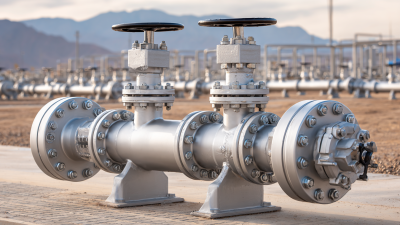
PVC gate valves play a critical role in various fluid systems. They are designed to control the flow of liquids and gases. Their simple mechanism makes them easy to operate and maintain. Reports in the industry show that PVC gate valves can effectively resist corrosion, making them a preferred choice in many applications.

Understanding the specific needs of your system is vital when selecting PVC gate valves. The diameter and pressure rating of the valve should match the requirements of your pipeline. According to a report by the Plastics Pipe Institute, over 60% of valve failures are due to improper sizing. This highlights the importance of matching the valve specifications to the system's demands.

Moreover, installation errors can lead to significant issues. Incorrect positioning can create leaks and reduce lifespan. In some cases, these mistakes stem from a lack of understanding of valve operation. It is essential to fully grasp how the valve works to minimize future problems. Proper training and preparation can help in avoiding these pitfalls.

Identifying Your Specific Needs for PVC Gate Valves

Choosing the right PVC gate valves requires a clear understanding of specific needs. These valves are crucial in fluid dynamics and industrial applications. According to a report by the Global PVC Market Analysis, demand for PVC gate valves is projected to grow by over 5% annually through 2030. This rise reflects the increasing utilization of these valves in water management and processing facilities.

Identifying your needs starts with evaluating your system's pressure and temperature conditions. Assess the type of fluid to be handled. For instance, some fluids may cause corrosion, affecting valve longevity. The American Society for Testing and Materials (ASTM) specifies various standards that impact these decisions. Consideration of these factors will improve performance, but many users often overlook them.

Installation environment also matters. Is your valve exposed to extreme temperatures or chemicals? This can alter your choice significantly. Furthermore, not all PVC gate valves are built for heavy-duty applications. Some applications may require additional features like pressure relief mechanisms. It's essential to weigh these elements carefully. Reflecting on past experiences can offer valuable insights into what works or fails in your system. This approach will yield better results.

Key Factors to Consider When Selecting PVC Gate Valves

How to Choose the Right PVC Gate Valves for Your Needs?

When selecting PVC gate valves, a few key factors need attention. The size of the valve greatly influences its flow capacity. According to industry reports, valves must match the pipe dimensions. A mismatch causes flow restrictions. Always ensure the valve size corresponds to the system specifications to avoid unnecessary complications.

Material quality is also critical. Various PVC grades offer different durability levels. Valves constructed from high-quality PVC resist corrosion effectively. A report from the Plastics Industry Association indicates that inferior materials can reduce lifespan significantly. Systems in aggressive environments especially require higher-grade materials. More investment in quality can, in the long run, spare maintenance costs.

**Tip:** Always do a pressure test before installation.

Consider compatibility with existing systems. PVC may not be ideal for all chemicals. Some substances can degrade PVC properties. Always check compatibility charts.

**Tip:** Consult suppliers for guidance.

While PVC gate valves are often a great choice, ensure your selection process involves thorough evaluation. Don't rush; the right decision matters in the long term.

Different Types of PVC Gate Valves and Their Applications

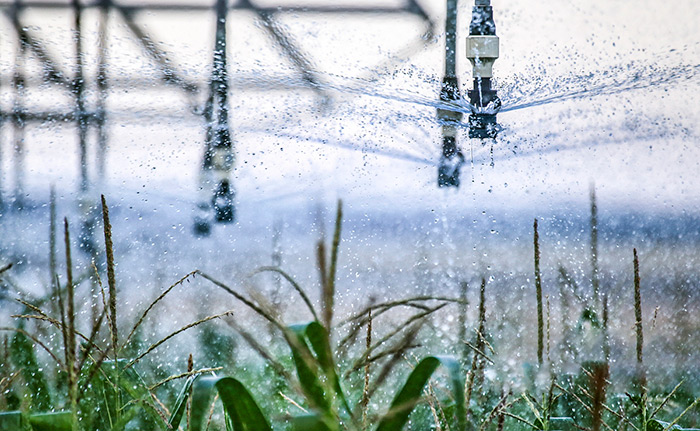
When selecting PVC gate valves, understanding the different types and their applications is crucial. PVC gate valves are essential in fluid control across various industries. According to industry reports, the global market for PVC valves is expected to grow by 5% annually. This growth reflects the rising demand in water treatment, agriculture, and chemical processing sectors.

There are two primary types of PVC gate valves: wedge gate valves and parallel gate valves. Wedge gate valves are ideal for on/off services and provide excellent sealing. They can withstand high pressures and are best used in water supply systems. Conversely, parallel gate valves are preferred for throttling applications due to their flow characteristics. They are frequently used in industrial applications where precise control of flow is necessary.

**Tips:** Consider the application before choosing a valve. For high-pressure systems, opt for wedge gate valves. Always review specifications to ensure compatibility with your liquids. Selecting the right valve involves careful consideration. Authorities suggest assessing laying patterns and potential leakage points. An informed choice can minimize future maintenance issues.

How to Choose the Right PVC Gate Valves for Your Needs?

Valve Type Size Pressure Rating Temperature Range Application
Gate Valve 1 inch 150 psi -5°C to 60°C Water Supply
Resilient Seated Gate Valve 2 inch 200 psi 0°C to 80°C Industrial Applications
Flanged Gate Valve 4 inch 150 psi -10°C to 60°C Drainage Systems
Threaded Gate Valve 3 inch 125 psi -5°C to 70°C Irrigation Systems
Knife Gate Valve 6 inch 100 psi -10°C to 50°C Slurry Services

Evaluating Quality and Durability in PVC Gate Valves

When evaluating PVC gate valves, quality and durability stand out as critical factors. PVC valves are often chosen for their corrosion resistance. However, not all PVC is created equal. A report by the American Society of Mechanical Engineers shows that approximately 15% of low-quality PVC valves fail prematurely. This premature failure often results in costly repairs and downtime.

Durability should align with your specific application. For example, PVC gate valves used in agricultural settings face different stressors than those used in industrial environments. A study indicated that UV exposure can significantly degrade the material. Hence, choosing valves designed with UV inhibitors can extend their lifespan. Valves that have been rigorously tested can provide better assurance against unexpected failures.

One should also consider the manufacturing process. Higher-quality PVC gate valves undergo stringent quality control measures. This ensures that they meet industry standards, often exceeding the minimum requirements. Nevertheless, variations in quality still exist. Sometimes, even high-quality valves can have manufacturing defects. Evaluating past performance data of similar products can help mitigate risks.

Installation Considerations for PVC Gate Valves

When installing PVC gate valves, it's crucial to think about how they fit into your system. Start by assessing the pipeline diameter. The valve should match, ensuring a proper seal. An ill-fitting valve can lead to leaks, wasting water or damaging the system. Also, consider the working pressure. Choose valves rated for your specific application.

Tips: Measure twice, cut once. Check your valve dimensions against the pipes.

Pay attention to the installation environment as well. PVC is sensitive to heat. A valve placed in direct sunlight may warp over time. If the location is hot, consider insulating it. If the surroundings are damp, ensure good drainage to avoid corrosion.

Tip: Use Teflon tape on threads for better sealing.

Don’t skip over proper tightening. Over-tightening can crack the valve. Under-tightening can cause leaks. A firm grip is all that’s needed; you don’t have to force it. Be patient and monitor the valve’s performance after installation, adjusting if necessary.

Maintenance Tips for Optimal Performance of PVC Gate Valves

PVC gate valves are essential components for many plumbing systems. To keep them functioning well, regular maintenance is crucial. One key aspect is checking seals and gaskets for wear and tear. These parts can degrade over time, leading to leaks. If you notice any cracks or fraying, consider replacing them as soon as possible.

Another critical maintenance tip is to clean the valves periodically. Dirt and debris can block the flow. This blockage may affect the performance of the valve. You can use a soft brush to remove any buildup. Remember, a clean valve works more efficiently. Additionally, perform a visual inspection for any signs of corrosion or damage. Ignoring these checks could lead to bigger issues down the line.

Don’t overlook the importance of proper storage. If you have spare valves, store them in a dry, temperature-controlled environment. Extreme temperatures can affect the plastic's integrity. Reflecting on these maintenance steps shows that proactive care can prevent costly repairs. Your PVC gate valves deserve attention to ensure their optimal performance.

The Comprehensive Guide to Selecting and Using PVC Gate Valves for Optimal Fluid Control

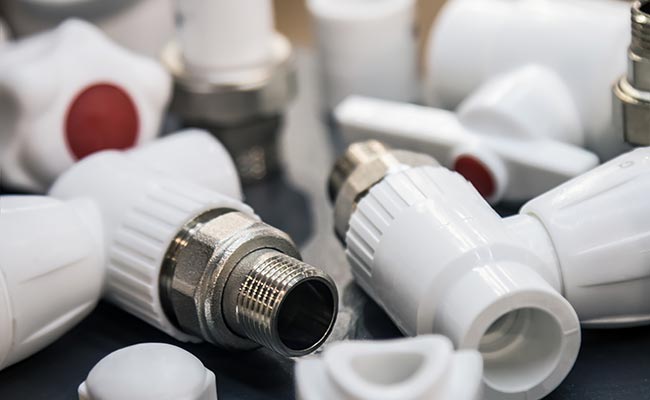
When it comes to fluid control in various industrial applications, selecting the right PVC gate valve is crucial. PVC gate valves are favored for their durability, corrosion resistance, and lightweight properties. Understanding the material composition of these valves is essential for achieving optimal performance and longevity. A typical PVC gate valve consists of several components, each made from specialized materials tailored to withstand specific operational conditions. For instance, the valve body is typically constructed from UPVC, known for its excellent chemical resistance. The stem and valve gate are often made from 1Cr13 stainless steel and polypropylene (PP), providing robust strength and maintaining functionality under high-pressure scenarios.

The sealing elements, such as the O-ring and seat, are crucial for preventing leaks and ensuring tight closures. They are commonly made from elastomers like EPDM or NBR, which offer exceptional resilience against wear and temperature fluctuations. The use of high-quality bolts made from A2 stainless steel ensures that the valve remains securely assembled, even under stressful operational conditions. Overall, investing in a well-designed PVC gate valve can significantly enhance the efficiency of fluid control systems, supporting better operational outcomes and reduced maintenance costs.

Industry reports indicate that the use of PVC gate valves has increased by over 20% in the last five years, driven by the growing demand in sectors such as water treatment, agriculture, and chemical processing. With a focus on efficiency and reliability, choosing the right materials and specifications for each component can lead to significant long-term benefits. As industries continue to evolve and demand robust fluid control solutions, the selection of high-quality PVC gate valves remains a top priority for optimizing performance.

FAQS

: What are PVC gate valves designed for?

: PVC gate valves control the flow of liquids and gases in fluid systems.

Why is it important to select the right size of PVC gate valve?

Incorrect sizing is a leading cause of valve failures, accounting for over 60% of issues reported.

How can installation mistakes affect PVC gate valves?

Improper installation can create leaks and reduce the valve’s lifespan significantly.

What factors should be considered when choosing a PVC gate valve?

Evaluate pressure, temperature conditions, and the type of fluid involved.

How can users improve the performance of PVC gate valves?

Regular maintenance, including checking seals and cleaning, can enhance valve performance effectively.

What should users do if they notice wear on valve seals?

If seals show cracks or fraying, replace them promptly to avoid leaks.

How does storage affect PVC gate valves?

Store spare valves in a dry, temperature-controlled environment to maintain their integrity.

What maintenance task helps prevent blockage in PVC gate valves?

Periodic cleaning with a soft brush can help remove dirt and debris from the valves.

What is a common oversight users make regarding PVC gate valves?

Many overlook the impact of fluid characteristics on valve longevity and performance.

Why is it beneficial to reflect on past experiences with PVC gate valves?

Reflecting on past challenges can provide insights that lead to better decision-making for future applications.

Conclusion

Selecting the right PVC gate valves for your specific needs is essential for ensuring effective fluid control in various applications. Understanding what PVC gate valves are, along with their functions, sets the foundation for making informed choices. Begin by identifying your specific requirements, as different scenarios may call for varying types of PVC gate valves.

When selecting PVC gate valves, consider key factors such as size, pressure ratings, and compatibility with the fluids involved. Familiarize yourself with the various types available and their appropriate applications to avoid costly mistakes. Additionally, evaluating the quality and durability is crucial for long-term performance. Proper installation and regular maintenance further enhance the efficacy of PVC gate valves, ensuring optimal functionality over time.

Isabelle

Isabelle

Isabelle is a dedicated marketing professional at Ningbo Pntek Technology Co., Ltd., a renowned supplier of plastic pipes, fittings, and valves with over 10 years of export experience. With a deep understanding of the company's core business, Isabelle excels in communicating the advantages of......
Previous How to Choose the Right 1 Inch PVC Valves for Your Plumbing Needs

Application

Underground pipeline

Underground pipeline

Irrigation System
Irrigation System

Water Supply System

Water Supply System

Equipment supplies

Equipment supplies