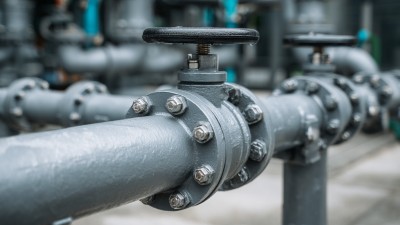
Picking the right PVC solenoid valves is super important when it comes to industrial setups. Did you know that, according to MarketsandMarkets, the global market for these valves could hit around $5.2 billion by 2025? That’s mainly because more and more industries are stepping up their automation game. PVC solenoid valves are especially popular — they’re lightweight and resistant to corrosion, which is a big plus. But honestly, choosing the perfect valve isn’t always a walk in the park.
See, different applications have different needs. Things like valve size, pressure capacity, and flow rate are all key players in how well things run. If you pick something that doesn’t quite fit, it could cause a bunch of issues down the line. So, it’s really worth taking the time to understand what your operation actually requires. Relying only on what your supplier suggests might make you miss some important details.
Also, don’t forget to think about where you’re installing these valves. High temperatures or chemicals that are harsh can really wear them out faster. Regular check-ups and really knowing the limits of your PVC solenoid valves will help keep everything running smoothly. Keep in mind, even the best valve can underperform if it’s not suited to the right environment. So, every decision should be made carefully, based on solid knowledge and understanding — it’s all about making informed choices.
PVC solenoid valves are crucial in various industrial applications. They serve as on/off switches for fluid flow, playing a significant role in water treatment, chemical processing, and irrigation systems. According to a report by the Freedonia Group, the demand for solenoid valves is projected to grow by 4.6% annually through 2025. This growth emphasizes the need for understanding their function and appropriate usage.
When selecting a PVC solenoid valve, a few key factors must be considered. These include pressure ratings, temperature limits, and chemical compatibility. Most PVC valves can handle pressures up to 150 PSI and temperatures up to 140°F. However, certain chemical applications may require specialized valves to avoid corrosion or degradation. Additionally, attention should be paid to the valve's coil voltage to ensure proper operation.
The right selection can prevent operational issues. Overlooking details like voltage requirements may lead to system failures. Research indicates that improper valve choice accounts for 30% of maintenance costs in industrial settings. These issues serve as a reminder of the importance of thorough evaluation and ongoing education in making informed decisions regarding PVC solenoid valves.
Choosing the right PVC solenoid valves requires careful consideration of several key factors. The fluid compatibility is crucial. Ensure the valve material can handle the fluids you intend to use, whether they are corrosive or non-corrosive. Temperature ratings should also align with your application needs, as exceeding these limits can lead to valve failure.
Another essential aspect is the valve size. Accurate sizing prevents pressure loss or inefficient flow rates. It's important to measure the piping system and determine the appropriate valve diameter. This avoids underperformance and potential system damage. Additionally, evaluate the valve's response time and power consumption. Different applications may call for different performance levels, and focusing on these metrics can enhance efficiency.
Lastly, consider the environmental conditions. Factors like humidity and exposure to chemicals can affect valve performance. Regular maintenance schedules should be implemented to ensure long-term reliability. Reflect on previous experiences, both positive and negative, with solenoid valves to inform your decision. Each application may present unique challenges, highlighting the importance of thorough research and understanding.
Understanding the types of PVC solenoid valves is crucial for selecting the right one. There are several varieties available, each designed for specific applications.
For instance, two-way solenoid valves control the flow in a single direction. They are simple and ideal for basic tasks. On the other hand,
three-way solenoid valves can switch the flow between two different chambers. This makes them versatile for more complex systems.
When choosing PVC solenoid valves, consider the working pressure and temperature limits. Some valves may not withstand extreme conditions.
Using a valve that does not meet these specifications can lead to failures.
Pay attention to the voltage ratings as well. Many solenoids operate on standard voltages, but not all do.
Tips: Always consult technical specifications before purchasing. Assess your project needs carefully.
It is wise to note that sometimes, the cheapest option may not provide the best long-term value.
Performance can vary significantly between different types and models. Be sure to reflect on your specific requirements and the conditions where the valve will be used.
When selecting PVC solenoid valves, understanding the operating pressure and temperature is crucial. These factors directly influence the valve’s performance and longevity. Every fluid system has specific pressure thresholds. Exceeding these can lead to failures and costly downtime. Assess the system’s maximum operating pressure. Choose a valve that can handle this without stress.
Temperature is another critical aspect. PVC has a limited temperature range. Most PVC solenoids perform well under moderate conditions. Continuous exposure to high temperatures may weaken the material. It's wise to check the temperature ratings for your intended application. Remember, if the temperature fluctuates, you may need a valve with higher tolerance.
Not all applications are straightforward. Consider the variability in fluid types. Different chemicals can react differently under pressure and temperature. A valve suitable for one fluid may not be ideal for another. Research and consult professionals if uncertain. This will help avoid costly mistakes and enhance system reliability. Selecting the right solenoid valve requires careful consideration of these factors. Balancing them effectively can lead to improved system efficiency.
When selecting PVC solenoid valves, evaluating electrical specifications is crucial. The voltage rating of solenoid valves typically ranges from 12V to 240V. Choosing the right voltage ensures optimal performance. For most applications, a 24V or 120V system is common. However, operating voltage influences power consumption. A 24V valve consumes less power, but may not provide sufficient force for certain applications.
Moreover, current ratings are essential. Most PVC solenoid valves have a current draw between 0.1A to 1A. A valve with a higher current may deliver faster actuation. Yet, ensure your power supply can handle the load. A mismatch can lead to overheating or valve failure.
Another vital aspect is the duty cycle. Many PVC solenoid valves are rated for continuous operation, while others are intermittent. For example, a valve rated for 100% duty can remain energized indefinitely. However, intermittent valves require cooling periods. Selecting a valve with the appropriate duty cycle can prevent overheating and extend lifespan. It’s important to align these specifications with your application's requirements for reliable performance.
| Feature | Specification | Description |
|---|---|---|
| Voltage | 12V | Common low voltage suitable for solar and battery applications. |
| Current | 0.3A | Typical current requirement for standard control operations. |
| Coil Resistance | 40Ω | Allows for efficient operation without excessive heat generation. |
| Operating Temperature | -10 to 60 °C | Suitable for a wide range of environmental conditions. |
| Media Type | Water, Air, Chemicals | Versatile for different fluid applications including corrosive substances. |
| Connection Size | 1/2" NPT | Standard size for many pipe fittings. |
| IP Rating | IP65 | Dust tight and protected against water jets. |
When installing PVC solenoid valves, several critical considerations can impact functionality and performance. Proper alignment is crucial. Misalignment can lead to leaks and unnecessary wear on components. It’s essential to ensure that the valve is mounted in a way that accounts for thermal expansion and system vibrations. In systems where temperature can fluctuate, the possibility of thermal expansion should not be overlooked.
Consideration of space is equally important. Adequate clearance around the valve is necessary for maintenance. Reports suggest that improper installation can reduce the lifespan of a valve by up to 30%. Ensuring that the piping system accommodates these valves without stress is vital. Additionally, the environment plays a crucial role. UV exposure and chemical compatibility with PVC materials can significantly affect durability.
Connection methods also need attention. Glue bonding or threaded connections each have their advantages. Each method has specific installation requirements that must be followed to avoid failures. A common mistake is to overlook the torque specifications, leading to either over-tightening or under-tightening. Regular inspections can help identify potential issues early, allowing for timely interventions. Being proactive in installation choices fosters reliability in operation, ensuring optimal performance in your system.
Maintenance is crucial for the longevity of PVC solenoid valves. Regular inspection helps identify wear and potential failures early. Look for leaks or dirt buildup. These issues can affect performance. Clean the valves with a gentle solution to keep them free of debris. Avoid aggressive chemicals that might damage the PVC.
Lubrication is often overlooked. Ensure moving parts are adequately lubricated. This reduces friction and enhances functionality. Too much lubricant can be problematic, though. Excessive buildup may lead to blockages. Adjust the lubrication schedule based on usage and environment.
Temperature fluctuations can also impact valve performance. Extreme heat or cold can warp the materials over time. Protect your valves from these conditions if possible. Consider insulation for pipes in unregulated environments. This ensures reliable operation for longer durations. Regular maintenance checks combined with careful handling enhance the lifespan of PVC solenoid valves significantly.
: They control fluid flow in applications like water treatment and irrigation.
Consider pressure ratings, temperature limits, and chemical compatibility before purchasing.
It may lead to system failures and increased maintenance costs.
Common types include two-way valves for basic tasks and three-way valves for complex systems.
Regular inspections, cleaning, and lubrication are essential for longevity.
Do not use aggressive chemicals as they can damage the PVC material.
Extreme temperatures can warp materials and affect operational reliability.
It reduces friction and enhances functionality, but too much can cause blockages.
Reflect on specific requirements and the operational environment for the best fit.
Not necessarily; cheaper options may lack long-term value compared to higher-quality alternatives.
When selecting PVC solenoid valves, it's essential to understand their applications and the key factors that influence their performance. Factors such as operating pressure, temperature requirements, and electrical specifications play a crucial role in ensuring that the chosen valve meets the system's demands. Different types of PVC solenoid valves offer specific characteristics that cater to various needs, making it important to assess each option carefully.
Additionally, proper installation is vital for the optimal functioning of PVC solenoid valves, along with regular maintenance to prolong their lifespan. By following best practices in evaluation and upkeep, users can ensure their solenoid valves operate efficiently and effectively within their systems, thus enhancing overall productivity and reliability.