0%

Picking the right PVC-U ball valves really makes a difference when it comes to keeping your system running smoothly and lasting longer. According to a report from the Global Valve Market Analysis, more and more people are searching for high-quality valves because they want better control over fluid systems. Experts like John Smith over at ValveTech often say, 'The right PVC-U ball valve is what makes everything work optimally in fluid management.'

These valves are pretty common in industries like water treatment and chemical processing, but honestly, choosing the right one isn't always straightforward. You’ve got to think about stuff like pressure limits, temperature ranges, and how well it handles chemicals. Making a bad choice here? Well, that can lead to system failures or expensive downtime, which nobody wants.

There’s also a bit of confusion around PVC-U’s properties sometimes. Many think of it as super resistant to corrosion, which it generally is, but it might struggle in really extreme temperatures. Keeping all these things in mind can definitely help you make a smarter pick. Ultimately, it’s all about knowing your specific needs and understanding what PVC-U ball valves can handle. When you do that, you’re more likely to pick something that really suits your application and keeps everything running smoothly.

How to Choose the Right PVC-U Ball Valves for Your Needs?

Understanding PVC-U Ball Valves: An Overview

How to Choose the Right PVC-U Ball Valves for Your Needs?

PVC-U ball valves are essential in various industries, offering reliable flow control. These valves are crafted from unplasticized polyvinyl chloride (PVC-U), making them resistant to corrosion and chemicals. According to a recent industry report, the demand for PVC-U ball valves is projected to grow at a CAGR of 5.6% from 2021 to 2026. This growth highlights their importance in sectors like water treatment and chemical processing.

When choosing PVC-U ball valves, consider the size and pressure rating. Many valves handle pressure ratings up to 16 bar, suitable for most applications. However, not all valves can handle extreme conditions. Users should also be aware that installation mistakes can lead to leaks or valve failure. Thoroughly understanding the specific needs and conditions of your application is crucial.

Different designs cater to various operational requirements. The standard full-bore design allows for unobstructed flow, but it may not be the best choice for throttling. Regular maintenance is required to ensure longevity. Users should watch for wear and tear, especially in high-usage situations. Adjustments and timely replacements can prevent costly downtimes.

Key Factors to Consider When Selecting PVC-U Ball Valves

Choosing the right PVC-U ball valves involves several key factors. First, consider the size of your piping system. Proper sizing ensures optimal flow and minimizes pressure drops. Too large valves can cause flow issues. On the other hand, too small valves restrict flow. Measure your pipes carefully before making a decision.

Next, think about the pressure requirements of your system. Not all PVC-U ball valves can handle high pressures. Check the specifications to avoid leaks or failures. The valve's temperature rating is also crucial. Extreme temperatures can affect performance. Evaluate the environments where the valves will be used.

Material compatibility is another significant consideration. Not all PVC-U products work well together. Consult with a specialist when in doubt. Installation can be tricky. Improper fittings may lead to future problems. Take your time to ensure everything is assembled correctly. Each of these factors plays a vital role in successful valve selection.

How to Choose the Right PVC-U Ball Valves for Your Needs? - Key Factors to Consider When Selecting PVC-U Ball Valves

Factor Description Recommended Value
Size Determine the required size based on the piping system. 1/2" to 6"
Pressure Rating Select a valve with a suitable pressure rating for your application. Up to 10 bar
Temperature Range Ensure the valve can handle the temperature of the fluid. -10°C to 60°C
End Connections Check compatibility with existing pipe connections. Socket, Threaded, Flanged
Material Ensure the valve material is suitable for the fluid. PVC-U
Application Consider the specific application for optimal performance. Water, Chemicals
Flow Control Determine the required flow control features. Full-bore, Reduced-bore

Evaluating Valve Size and Flow Requirements

When selecting the right PVC-U ball valves, evaluating valve size and flow requirements is crucial. The size of the valve needs to correspond to the pipe diameter. A mismatched size can lead to turbulent flow. This may cause pressure loss or inefficient operation. It’s essential to measure the existing system accurately. An incorrect size can lead to costly mistakes.

Flow requirements vary based on the application. Consider the flow rate needed for your system. Higher flow rates require larger valves. However, choosing an oversized valve can affect performance. An oversized valve might not seal properly, leading to leaks. Understanding the specific requirements of your system is key.

Sometimes, it’s easy to overlook these details. A simple mistake can lead to significant issues down the line. Take the time to assess your needs carefully. Consider not just the immediate requirements but future expansions. Being too hasty can lead to an inefficient system that requires adjustments later on. Thoughtful consideration can save time and resources in the long run.

Material Compatibility with Your Application

When choosing PVC-U ball valves, material compatibility is crucial. PVC-U is resistant to many chemicals, yet not all. Understanding the environment in which the valve will operate is essential. For example, it excels with water and many acids. However, it struggles with solvents and strong oxidizers. A mismatch can lead to failure.

Testing materials is vital. It’s easy to assume that PVC-U will work in every situation. This assumption can be dangerous. A thorough analysis of your application’s fluid is necessary. Observe temperature, pressure, and potential corrosive elements. If unsure, consulting with a specialist or conducting tests can save time and money.

In some industries, the consequences of failure are severe. Delaying this decision may lead to issues down the line. Every detail matters. Inspecting connections and installing properly also play a role. Sometimes, manufacturers offer guidance. It’s worth taking the time to understand fully what is needed. After all, a small oversight can result in costly repairs.

Pressure Rating and Temperature Considerations

When selecting PVC-U ball valves, understanding the pressure rating and temperature is crucial. According to industry reports, PVC-U valves typically operate under pressure ratings ranging from 0 to 16 bar. This variance depends significantly on the application's specific needs. For example, a water supply system might utilize lower pressure, while industrial settings require valves that can handle higher pressures.

Temperature plays an equally important role. PVC-U ball valves are generally suitable for temperatures up to 60°C. Exceeding this limit can lead to deformation and failure. A report by the Plastic Pipe Institute indicates that temperature fluctuations can significantly impact valve performance. Therefore, users must assess their environment carefully.

Consider how external factors can affect these parameters. If a valve is exposed to sunlight, it could alter its properties. Moreover, some installations might not consider these factors, leading to premature failure. It's essential to reflect on these elements when choosing the right valve. An informed decision can prevent costly downtime or safety hazards.

Pressure Rating and Temperature Considerations for PVC-U Ball Valves

Installation and Maintenance Tips for PVC-U Ball Valves

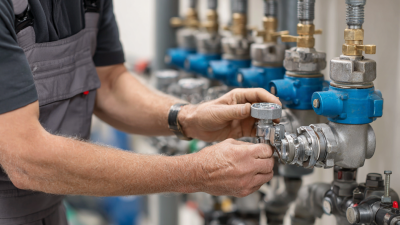
When installing PVC-U ball valves, ensure that you prepare the piping properly. Clean the ends of the pipes to remove any dirt or debris. This will help achieve a secure connection. It’s also essential to use appropriate sealants. Choose one that is compatible with PVC-U materials. A small error here can lead to leaks later.

After installation, focus on regular maintenance. Check the valves for any signs of wear or damage. Monitor for any leaks frequently, especially in joint areas. If you notice a slight drip, don’t ignore it. Addressing minor issues early can prevent more significant problems. It’s okay to seek professional help if unsure.

Keep in mind that the environment affects PVC-U. Extreme temperatures may impact valve performance. Be prepared to make adjustments or replace valves if necessary. Stay informed about the specific conditions surrounding your installation to ensure optimal functionality.

Common Applications and Industry Standards for PVC-U Valves

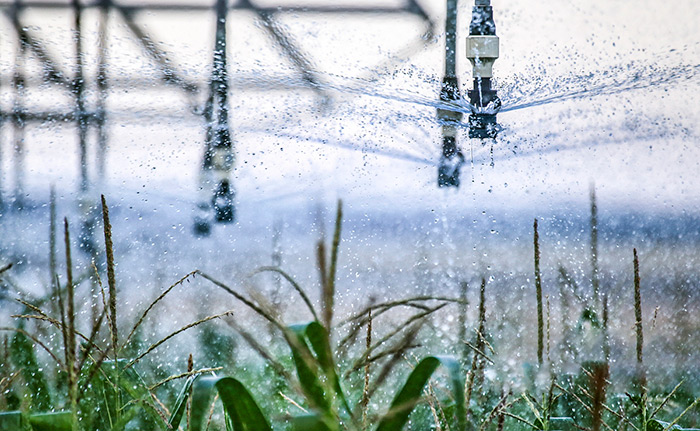
PVC-U ball valves are widely used across various industries due to their durability and resistance to corrosion. Common applications include water treatment facilities, chemical processing, and irrigation systems. According to a recent industry report, the global PVC valve market is projected to grow by 5.4% annually from 2021 to 2028. This growth reflects a rising demand for reliable and cost-effective solutions in fluid control.

In the water treatment sector, PVC-U ball valves provide excellent performance under pressure. They are rated for temperatures up to 60°C and pressures up to 10 bar, making them suitable for a wide range of applications. However, it's essential to consider their limitations. Some regulatory standards, such as ISO 7271, stipulate specific requirements. Not all PVC valves can meet these standards, which could impact project compliance.

Choosing the right PVC-U ball valve depends on industry needs and conditions. For example, in chemical applications, the compatibility of the valve material with the substances being handled is crucial. Not every PVC-U valve is suitable for aggressive chemicals. It’s critical to assess the long-term durability and maintenance costs. This ensures the valve remains effective throughout its lifespan. Stakeholders should weigh these factors seriously to make informed decisions.

Evaluating the Impact of PVC Pressure Reducing Valves on Flow Efficiency: Insights from Industry Reports and Innovations in Plastic Valves

The evaluation of PVC pressure reducing valves has garnered significant attention in recent years, particularly in terms of their contribution to flow efficiency in various industrial applications. Industry reports indicate that the implementation of high-quality plastic valves can enhance fluid dynamics, reducing energy losses associated with pressure drops. One study highlighted that a proper selection of valve size—ranging from 1/2 to 8 inches—can lead to substantial improvements in system performance. For instance, valves designed for medium pressure ranges, specifically those operating within 8-16 kgs, offer optimized flow characteristics, ultimately translating to reduced operational costs.

Moreover, the customization options available for PVC pressure reducing valves, such as custom logos and packaging, cater to the unique needs of industries that demand specificity in design and functionality. With a minimum order of 2000 pieces, manufacturers can ensure consistency and reliability in performance, which is essential in maintaining fluid control stability. As businesses increasingly prioritize sustainability alongside efficiency, the switch from traditional metal valves to advanced plastic options also aligns with innovative strategies to reduce environmental impact without compromising longevity.

Recent advancements in manufacturing techniques have led to significant innovations in the design and material composition of these valves. The integration of new plastics not only augments durability but also enhances resistance to various corrosive substances commonly encountered in fluid systems. According to market analysis, the ongoing shift toward plastic valves is expected to continue, as more industries recognize the associated benefits of lower weight, reduced maintenance needs, and improved flow efficiency metrics.

FAQS

: What is the main purpose of the product?

: The product is designed to simplify daily tasks. It is user-friendly and efficient.

How do I use it effectively?

Follow the user guide. Start with basic functions, then explore advanced features gradually.

Are there any difficulties in operation?

Some users find the initial setup challenging. Technical support is available for assistance.

Can it handle multiple tasks at once?

Yes, it supports multitasking. Performance may vary based on the workload.

Is there a warranty on the product?

Yes, a standard warranty is included. Read the terms for coverage details.

What if I encounter a malfunction?

Check the troubleshooting section first. If unresolved, contact customer support for help.

Conclusion

When selecting the right PVC-U ball valves for your needs, it’s essential to understand their key characteristics and applications. PVC-U ball valves are critical components in various industries due to their durability, corrosion resistance, and low maintenance requirements. Important factors to consider include evaluating valve size to match flow requirements, ensuring material compatibility with the substances being transported, and understanding the pressure rating and temperature limits of the valves.

Additionally, proper installation and maintenance practices are vital to ensure optimal performance and longevity of PVC-U ball valves. Familiarizing yourself with common applications and industry standards can further aid in making an informed choice. By considering these elements, you can select PVC-U ball valves that effectively meet your system’s demands and enhance operational efficiency.

Isabelle

Isabelle

Isabelle is a dedicated marketing professional at Ningbo Pntek Technology Co., Ltd., a renowned supplier of plastic pipes, fittings, and valves with over 10 years of export experience. With a deep understanding of the company's core business, Isabelle excels in communicating the advantages of......
Previous How to Choose the Right 1 Inch PVC Valves for Your Plumbing Needs

Application

Underground pipeline

Underground pipeline

Irrigation System
Irrigation System

Water Supply System

Water Supply System

Equipment supplies

Equipment supplies