
When you're picking out CPVC valves and fittings, it's really worth taking your time to make smart, informed decisions. You know, CPVC—short for Chlorinated Polyvinyl Chloride—is actually pretty tough and versatile. That’s why so many industries depend on it for plumbing, industrial setups, or chemical stuff. But honestly, choosing the right valves and fittings can make a huge difference in how well things work and how safe everything is.
There are quite a few things to keep in mind. Things like quality, whether it’s compatible with your system, and pressure ratings are all super important. It’s not just about grabbing any random piece; you really wanna avoid some common mistakes. For example, some products might not hold up well under high temperatures—that’s a big no-no. Doing a bit of research beforehand can save you a lot of trouble and keep things running smoothly in the long run.
Plus, with so many options out there today, it’s kinda overwhelming, right? It’s easy to get confused and wonder if you’re actually getting good quality stuff. So don’t be shy—ask questions, look closely at the specs, and really think about what you need. Sometimes, going for less fancy might actually be better. Bottom line? The right CPVC valves and fittings should help your project go smoothly, not add extra hassle.
Hope that helps make things a bit clearer and a little less daunting!

Understanding CPVC Valves and Fittings: A Comprehensive Overview
CPVC valves and fittings are essential components in plumbing systems. They are made from chlorinated polyvinyl chloride, which offers good corrosion resistance. Unlike metal options, CPVC does not rust. This quality makes it suitable for hot and cold water applications. The lightweight nature of CPVC also simplifies installation. However, improper handling can cause issues. It's critical to understand temperature limits and compatibility with various additives.
Choosing the right CPVC fittings requires attention to detail. The diameter of pipes must match suitable fittings. Too tight or too loose can lead to leaks. The thickness of the pipe walls is also important. Thinner walls may save costs, but they can be less durable. Think about the environment too. Extreme temperatures can impact performance. Additionally, ensure that the fittings are compatible with the valves you plan to use. Double-check specifications to avoid mistakes.

Essential Features and Benefits of Top Quality PVC Ball Valves with Durable Stainless Steel and Green Plastic Handles
When it comes to selecting top-quality PVC ball valves, the choice of materials is critical for ensuring both durability and performance. The use of UPVC (Unplasticized Polyvinyl Chloride) for the valve body provides exceptional resistance to corrosion, making it suitable for a variety of applications in industries ranging from water treatment to chemical processing. The stem is crafted from POM (Polyoxymethylene), known for its low friction and high wear resistance, which enhances the longevity of the valve.
An equally important aspect is the valve handle. The combination of PVC and ABS (Acrylonitrile Butadiene Styrene) not only ensures excellent strength and resilience but also offers ergonomic design, making operation smoother and safer. Additionally, the use of high-quality sealing materials like EPDM and NBR for the stem O-ring ensures a robust seal even under varying temperatures and pressures, thereby minimizing leakage risks. According to industry reports, utilizing high-grade materials can increase valve longevity by up to 30%, affirming the importance of material specifications in valve design and functionality.
Moreover, these PVC ball valves feature seat seals made from TPE (Thermoplastic Elastomer), TPVC, and TPO (Thermoplastic Olefin), which cater to diverse fluid types and ensure compatibility with numerous substances. The incorporation of ABS plating on the ball maximizes resistance to wear and tear, extending the service life of the valve. As companies increasingly focus on sustainability and efficiency, the deployment of such advanced material technologies in PVC ball valves plays a critical role in optimizing industrial operations while maintaining adherence to environmental standards.

FAQS
: The articles discuss various aspects of health and wellness practices.
Incorporate short exercise sessions, like walking, into your day. Aim for consistency.
Nutrition is essential. Focus on whole foods and stay hydrated. It impacts energy levels.
Yes, mindfulness reduces stress and boosts focus. Start with just five minutes a day.
Sleep is crucial. Aim for seven to eight hours for optimal functioning. It’s often undervalued.
Absolutely. Chronic stress can lead to serious health issues. Finding coping mechanisms is necessary.
Set small, achievable goals. Celebrate minor achievements to create momentum. It's okay to feel stuck.
Aim for at least 150 minutes of moderate exercise weekly. Adjust based on your comfort level.
Set specific and measurable goals. Instead of "be healthy," aim to eat vegetables at every meal.
No, it shows strength. Seeking support can lead to better outcomes and deeper insights.
Conclusion
When selecting CPVC valves and fittings, it is essential to have a comprehensive understanding of their characteristics and applications. Key considerations include evaluating the compatibility of CPVC materials with your existing plumbing system, as improper compatibility can lead to failure and costly repairs. Additionally, assessing pressure ratings and temperature resistance is crucial, as these factors determine the suitability of CPVC valves and fittings for specific environments and applications.
Different types of CPVC valves serve various functions, so understanding their specific uses helps in making informed choices. Installation requirements and best practices are critical for ensuring optimal performance and longevity of CPVC solutions. Finally, cost factors should be weighed against the long-term benefits of CPVC, as these solutions can provide durability and efficiency in plumbing infrastructure. By following these guidelines, you can effectively choose the right CPVC valves and fittings for your needs.
Related Posts
-

What are Cpvc Valves and Fittings and Their Applications?
-

Ultimate Guide to CPVC Valves Tips for Choosing the Right One?
-

Why Choose CPVC Valves for Your Plumbing Needs? Benefits and Applications Explained
-

The Essential Guide to Understanding CPVC Valves for Efficient Piping Systems
-

2025 Guide: How to Choose the Best CPVC Valves and Fittings for Your Projects
-

Why Choose Cpvc Valves And Fittings for Your Plumbing Projects

Ethan
Application

Underground pipeline
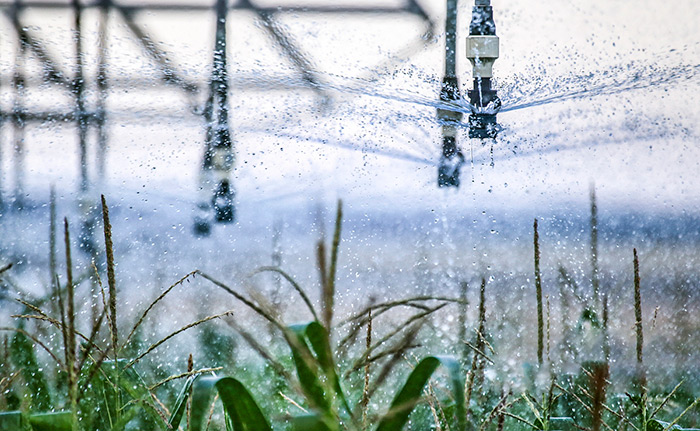
Irrigation System
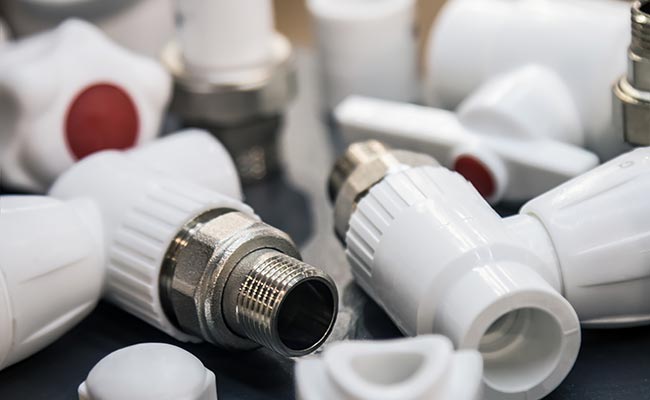
Water Supply System
