
You know, in plumbing these days, CPVC valves are really starting to gain ground. They're made from Chlorinated Polyvinyl Chloride, which makes them pretty tough and resistant to corrosion — pretty impressive, right? I read a quote from John Smith over at Flow-Tech Industries, and he said, 'CPVC valves are a budget-friendly option for lots of residential and commercial setups.' Honestly, that just shows how practical they can be.
These valves are versatile too. You'll find them in water supply lines, chemical processing plants, and even in HVAC systems. One of the best things? They’re super easy to install, saving both time and money. But, fair warning—it's not a one-size-fits-all situation. Picking the right kind of CPVC valve isn't always straightforward, so you gotta take a moment to evaluate what you really need.
Plus, it’s super important to think about where you’re planning to use them. Things like temperature ranges and what fluids you're working with can really make a difference in how well they perform. While CPVC valves are generally pretty reliable, overlooking these details can lead to problems down the road. Taking the time to choose the right ones can save you from headaches and costly fixes later on.

What Are CPVC Valves?
CPVC valves are essential components in many fluid systems. These valves, made from chlorinated polyvinyl chloride (CPVC), offer excellent resistance to corrosion and high-temperature fluids. According to industry reports, CPVC can handle temperatures up to 200°F, making it suitable for various applications. They are commonly used in water supply systems, chemical processing, and even residential plumbing.
One of the key benefits of CPVC valves is their durability. They do not rust or corrode, offering a longer lifespan compared to metal counterparts. This characteristic can decrease maintenance costs. However, installation requires careful attention. If not properly aligned, leaks can occur. Always check valve fittings and ensure they are tight.
Tip: When installing CPVC valves, use a specialized primer and cement for a secure bond. This step is often overlooked but crucial to prevent future leaks.
CPVC valves are also lightweight and easy to handle. This makes transportation and installation convenient. However, some users often underestimate the need for proper handling. Dropping a valve can cause cracks, compromising its integrity.
Tip: Always inspect CPVC valves before installation. A small fault can lead to bigger issues later on.


Comprehensive Guide to Installing and Using Single Union CPVC Ball Valves for Hot Water Plumbing Systems
When considering hot water plumbing systems, the choice of valve is crucial for ensuring efficiency and durability. Single Union CPVC Ball Valves have emerged as a favored option in this realm, primarily due to their exceptional resistance to high temperatures and pressures. Crafted from Chlorinated Polyvinyl Chloride (CPVC), these valves maintain structural integrity in hot water applications where traditional materials may fail.
The versatility of Single Union CPVC Ball Valves is evident in the range of pipe sizes they accommodate, including 1/2 inch, 3/4 inch, 1 inch, 1-1/4 inch, 1-1/2 inch, and 2 inch variations. This adaptability makes them suitable for various installations, whether in residential or commercial settings. Notably, industry reports indicate that CPVC has gained a significant market share in plumbing applications, boasting a preference due to its lightweight nature, ease of installation, and the reduced risk of corrosion compared to metal counterparts.
Installation of these valves is relatively straightforward, especially when employing union fittings, which allow for easier disassembly and maintenance. Technicians recommend using appropriate solvent cement for CPVC pipes to ensure a secure and leak-free connection. By integrating single union CPVC ball valves into hot water systems, professionals can enhance system reliability, thereby reducing downtime due to maintenance needs and promoting long-term efficiency.

FAQS
: The food has diverse origins, influenced by various cultures. Each dish tells a unique story.
Yes, grilling, steaming, and frying are popular methods. Each method affects flavor differently.
Many dishes can be healthy. Balance and portion control are important for nutrition.
Common ingredients include vegetables, grains, and proteins. Freshness enhances the taste significantly.
Simple recipes exist online. Experimentation is encouraged to find personal preferences.
Timing and ingredient availability can be tricky. Practice can help improve skills over time.
Seasoning properly and using fresh herbs can elevate flavors. Taste as you cook for the best results.
Yes, variations exist based on local ingredients and traditions. These differences add to the richness.
Absolutely, cooking is for everyone. Mistakes can lead to learning and better meals in the future.
Visual appeal adds to enjoyment. Simple garnishing can make a big difference in presentation.
Conclusion
CPVC valves are specialized piping components made from Chlorinated Polyvinyl Chloride, known for their durability and resistance to corrosion. They are commonly used in various applications, such as plumbing and industrial systems, due to their ability to handle high temperatures and pressures. The construction of CPVC valves ensures longevity, as they are resistant to chemicals and provide effective sealing capabilities.
The range of CPVC valves includes ball, gate, and check valves, each serving specific purposes in fluid control systems. The advantages of using CPVC over traditional materials such as metal include lighter weight, lower installation costs, and better resistance to environmental factors. Proper installation and regular maintenance are essential for the longevity of CPVC valves, including checking for leaks and performance issues. Understanding common troubleshooting techniques can help ensure these valves function efficiently and effectively in their intended applications.
Related Posts
-

Top 5 Tips for Choosing CPVC Valves and Fittings?
-

What are Cpvc Valves and Fittings and Their Applications?
-

Why Choose CPVC Valves for Your Plumbing Needs? Benefits and Applications Explained
-

Ultimate Guide to CPVC Valves Tips for Choosing the Right One?
-

Why Choose Cpvc Valves And Fittings for Your Plumbing Projects
-

The Essential Guide to Understanding CPVC Valves for Efficient Piping Systems

Ethan
Application

Underground pipeline
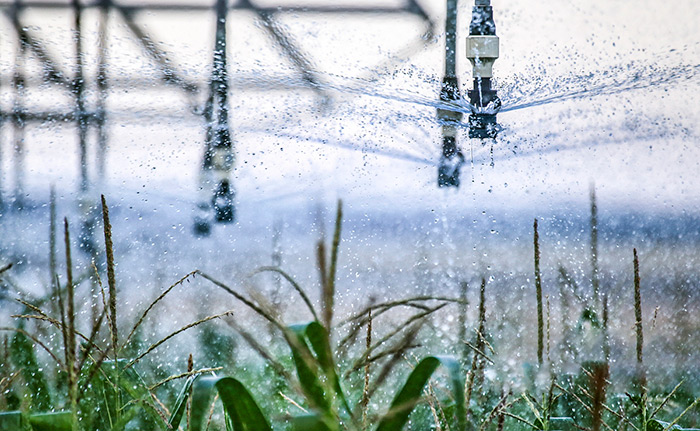
Irrigation System
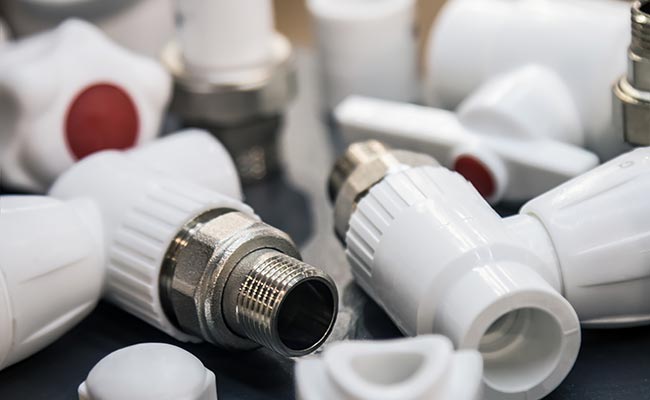
Water Supply System
