
When it comes to plumbing, getting a handle on CPVC valves is pretty important. You'll see them all over in various industrial setups. I was chatting with John Smith from FlowTech Solutions recently, and he emphasized how crucial proper installation is—he said, 'Doing it right with CPVC valves can actually help avoid leaks and avoid system failures.' It’s that simple.
These valves are quite durable and resist corrosion, which is a big plus. But here’s the thing—picking the right one isn’t always straightforward. There are so many types out there, and not every valve fits every situation. Sometimes, folks just getting started overlook those little details, and honestly, that can lead to some pretty costly mistakes.
In the CPVC valves world, knowledge really is power. Each valve has its own purpose, but how you install them can differ quite a bit. A lot of people struggle with doing it the right way. So, I’d say, don’t be shy about asking for help and always double-check what you’re doing. Once you get a good grasp of the ins and outs, it can really make a difference in how well your system works and how reliable it is.

Understanding CPVC Valves: An Overview
CPVC valves are essential components in many plumbing and industrial systems. They stand out due to their ability to resist corrosion and high temperatures. Understanding their features can help in choosing the right one for your needs. The material is durable yet lightweight, making installation easier. However, users should be cautious; improper handling can lead to damage.
Here are some tips for handling CPVC valves. Always wear protective gear when installing or repairing. Ensure that pipes are clean and dry before fittings. This prevents leaks that can occur from dust or moisture. It’s also important to follow manufacturer's guidelines closely. Ignoring these can lead to mishaps or system failures.
Routine maintenance is vital for longevity. Check for signs of wear regularly. If a valve feels loose or leaks, replace it promptly. Neglect can lead to significant problems down the line. Understand that even high-quality valves can fail under pressure. Keeping a spare valve on hand may save time and hassle in emergencies.

Exploring the Global Market Trends and Growth Prospects for CPVC Ball Valves in Plumbing Applications: Insights from Recent Industry Reports
The CPVC ball valve market is witnessing a significant transformation driven by growing demand in plumbing applications across various global markets. Recent industry reports highlight trends that signal robust growth prospects, propelled by factors such as increased infrastructure development and a shift towards durable materials. Among the emerging trends, CPVC (Chlorinated Polyvinyl Chloride) is gaining traction due to its excellent resistance to corrosion, which makes it an ideal choice for plumbing systems that require reliability under varying temperature and pressure conditions.
In terms of product offerings, CPVC ball valves are available in various sizes, catering to a wide range of installation requirements. The sizes range from 1/2 inch to 2 inches, making them versatile for different plumbing applications. For instance, a common specification includes a 1-1/2 inch CPVC valve available at an economical price of $0.10 per piece, which underscores the affordability and accessibility of these components for both large-scale projects and smaller installations. With an increasing focus on sustainability and long-term performance, the adoption of CPVC ball valves is expected to rise, further supporting their role in contemporary plumbing solutions.

FAQS
: Common types include ball valves, gate valves, and butterfly valves. Each serves different applications.
Ball valves are known for their low flow resistance and reliability in chemical processing and water treatment.
Gate valves excel in on/off service and provide minimal pressure drop in municipal water systems.
Neglect can reduce valve lifespan by 25%. It may lead to leaks or failures in the system.
Measure pipes accurately, bevel edges, and apply solvent evenly. Patience is vital to avoid leaks.
Inspect valves for leaks, check operations, and clean surfaces. Regular checks prevent costly issues.
Excessive heat can weaken CPVC material. Monitor with a thermometer to ensure safe temperature levels.
Incorrect sizing can lead to inefficiencies and increased operational costs. Measure carefully before installation.
A clean workspace reduces the risk of contaminants, which can compromise the seal and lead to leaks.
Conclusion
CPVC valves are essential components in modern plumbing systems, offering several advantages over traditional materials. This guide provides an overview of CPVC valves, highlighting their benefits such as corrosion resistance and ease of installation. It categorizes different types of CPVC valves and their specific applications, ensuring users can choose the right valve for their needs.
The installation process is broken down into a step-by-step guide, making it accessible even for DIY enthusiasts. To ensure the longevity of CPVC valves, maintenance tips are included, along with common troubleshooting issues that may arise. Additionally, the guide compares CPVC valves with other valve materials, providing a comprehensive analysis to help users make informed decisions. Overall, CPVC valves stand out as a reliable choice for plumbing applications, thanks to their durability and performance.
Related Posts
-

Why Choose CPVC Valves for Your Plumbing Needs? Benefits and Applications Explained
-

What are Cpvc Valves and Fittings and Their Applications?
-

Ultimate Guide to CPVC Valves Tips for Choosing the Right One?
-

Top 5 Tips for Choosing CPVC Valves and Fittings?
-

What are Cpvc Valves and How Are They Used?
-

The Essential Guide to Understanding CPVC Valves for Efficient Piping Systems

Ethan
Application

Underground pipeline
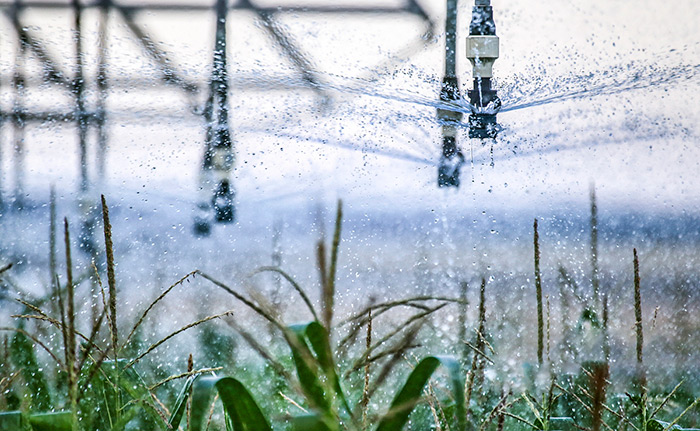
Irrigation System
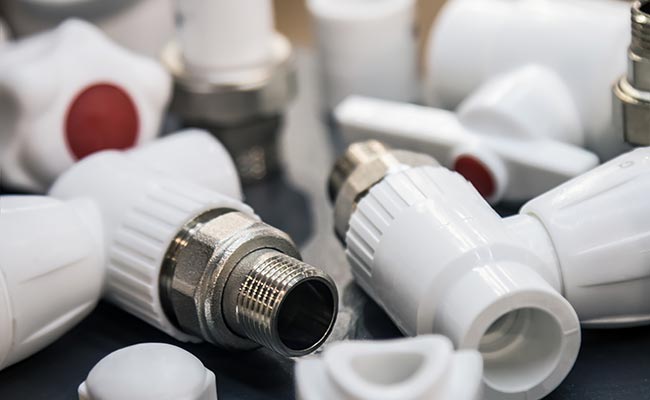
Water Supply System
