
Picking the right UPVC Concealed Valve for your home isn't just about ticking boxes — it's actually a pretty important decision. A good valve can really make a difference in how efficiently your water system runs. I mean, John Smith over at Water Solutions Inc. puts it perfectly when he says, “The right valve can mean a lot for how long your plumbing lasts and how reliable it is.” His words just highlight how crucial it is to choose wisely.
Think about your home’s specific needs though — what works great in one place might not cut it in another. Like, if you’re living in a humid climate, you might need different specs compared to someone in a dry area. The design and flow capacity are just a couple of the big factors to consider.
But honestly, a lot of homeowners tend to overlook these details. They often just go for the cheapest model without much thought, which sometimes leads to problems down the road. Leaks or poor water flow? Yeah, those can happen if you pick the wrong one. That’s why a little research and getting advice from the pros can really save you a headache later on. In the end, choosing the right UPVC Concealed Valve isn’t just about saving money — it’s about making sure everything runs smoothly and lasts longer.

Understanding UPVC Concealed Valves and Their Uses
UPVC concealed valves are essential components for modern plumbing systems. They play a crucial role in controlling water flow in your home. Understanding their features can help you make an informed decision. These valves are designed to be hidden behind walls, providing a clean aesthetic. They can save space and reduce clutter in your plumbing setup.
When selecting a UPVC concealed valve, consider its application. Some valves work well in bathrooms, while others are better suited for kitchens. Check the size and pressure rating to ensure it meets your needs. A valve that is too small can limit water flow. On the other hand, an oversized valve may result in leaks or damage.
Many homeowners overlook the importance of proper installation. A poorly installed valve can lead to major issues, such as leaks or even flooding. It is essential to follow manufacturer guidelines during installation. Reflect on your plumbing layout and assess the accessibility of the valve for future maintenance. This foresight can save you time and hassle later on.


Understanding the Benefits and Applications of PNTEK PPR Triangle Concealed Valve for Efficient Plumbing Solutions
The PNTEK PPR Triangle Concealed Valve is a groundbreaking solution designed to optimize plumbing efficiency. This innovative product, available in sizes of 20mm, 25mm, and 32mm, is crafted from 100% new PPR material, ensuring enhanced durability and resistance to corrosion. According to the International Association of Plumbing and Mechanical Officials (IAPMO), reliable and efficient plumbing solutions are integral in reducing water waste and improving overall system performance, making such valves essential in modern plumbing applications.
With a pressure rating of PN25, the PNTEK valve not only meets but exceeds industry standards, making it suitable for a variety of high-demand situations. The availability of free samples encourages adoption in various settings, as potential users can assess the product without significant commitment upfront. Furthermore, with a lead time of 15 days for orders under 5,000 pieces, the valve addresses the industry's need for timely project execution. Customization options, including personalized logos and packaging for bulk orders, reflect the growing trend toward bespoke solutions in the plumbing industry, as noted in a recent report by Markets and Markets, which projects the plumbing market to reach USD 107.2 billion by 2025.
In terms of logistics, the PNTEK valve supports sea freight, ensuring smooth delivery, especially for international clients. This aspect is crucial as global trade continues to emphasize cost-effective and timely delivery of essential components. As the plumbing industry evolves, advanced products like the PNTEK PPR Triangle Concealed Valve stand out as a testament to innovation, significantly contributing to sustainable practices within the sector.

FAQS
: The product aims to enhance well-being. It focuses on improving daily routines and mental clarity.
It is recommended for daily use. Some may prefer to use it more than once a day.
Some users report mild discomfort. Reactions can vary, so monitor your body's response closely.
Yes, many users mix it with various items. However, it's wise to consult with a professional first.
Not everyone may benefit from it. Individual reactions can vary based on health conditions.
Results may take time to appear. Some notice changes quickly, while others require weeks or more.
Conclusion
Choosing the right UPVC concealed valve for your home is crucial for ensuring effective plumbing functionality and durability. Understanding UPVC concealed valves and their various uses is the first step, along with considering key factors such as size, pressure ratings, and compatibility with your existing plumbing system. It's essential to explore the different types available on the market and assess their quality and durability, as this will directly impact the longevity of your installation.
The installation process should be approached methodically, following a step-by-step guide to avoid common mistakes that could compromise performance. Additionally, maintaining your UPVC concealed valves with regular checks and care will help prolong their lifespan, ensuring your plumbing system operates smoothly for years to come.
Related Posts
-

Exploring the Advantages of Upvc Valves for Modern Plumbing Solutions
-

Understanding the Key Factors Influencing Upvc Valves Price in Today's Market
-

Understanding the Factors Influencing Upvc Valves Price for Your Next Project
-

How to Choose the Best Upvc Concealed Valve for Your Plumbing Needs
-

What is UPVC Valves? Types, Uses, and Benefits Explained
-

What Is the Average Price of Upvc Valves and Factors That Affect It

Isabelle
Application

Underground pipeline
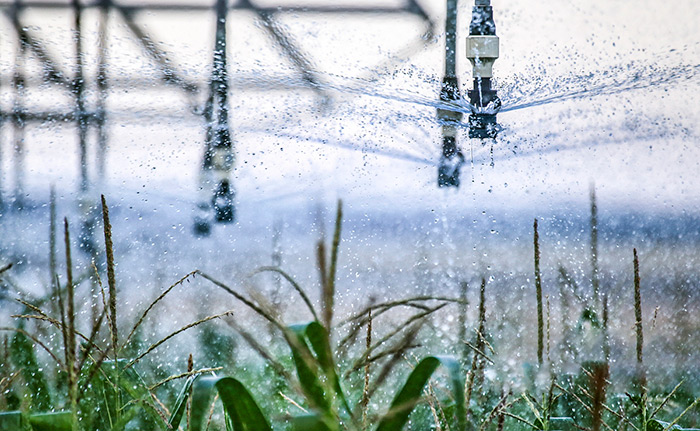
Irrigation System
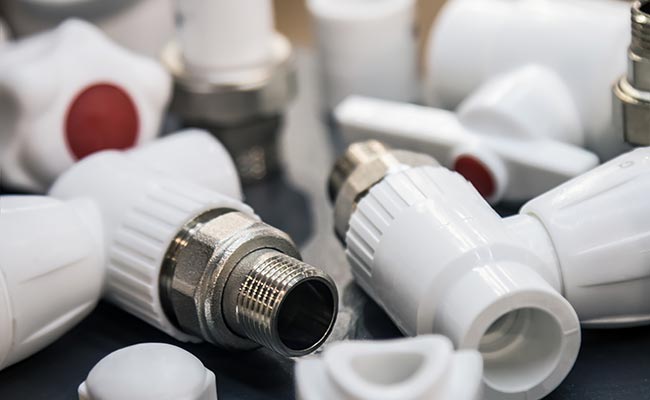
Water Supply System
