
When it comes to how well an engine runs and how efficient it is, several parts play a part—one key component is the PCV (Positive Crankcase Ventilation) valve fitting. Interesting enough, a recent report from the Automotive Aftermarket Suppliers Association (AASA) mentioned that if your engine parts are in good shape, you could boost fuel efficiency by up to 15%. That’s pretty significant, especially now when cars all over the world have to meet super strict emissions rules. It’s really pushing manufacturers and drivers alike to optimize engine performance more than ever.
The PCV valve fitting is a small but mighty part in this whole process. It controls how gases move in and out of your engine’s crankcase, which helps cut down on toxic emissions and keeps the engine running smoother. According to the Society of Automotive Engineers (SAE), taking care of your PCV system can prevent the buildup of dangerous gases—kind of like giving your engine a little extra protection—plus it can help your engine last longer and perform better overall. With all the advances in car tech these days, making sure your PCV valve fitting is installed right and working properly is pretty much crucial for keeping your engine reliable and performing at its best.
As we get into how to install a PCV valve fitting, it’s good to remember that even though it seems like a tiny part, it really has a big impact on how your engine runs and how cleanly your car drives. Knowing what this part does doesn’t just help with maintenance—it’s also a step towards a greener, more eco-friendly future for cars, fitting into the bigger picture of sustainability that the auto industry is aiming for.

Understanding the Purpose of a PCV Valve in Engine Performance

The Positive Crankcase Ventilation (PCV) valve plays a crucial role in maintaining optimal engine performance. Its primary function is to regulate the flow of gases from the crankcase back into the intake manifold, which helps to minimize harmful emissions and prevents the accumulation of pressure within the engine. By facilitating the recirculation of blow-by gases, the PCV system reduces engine wear and promotes fuel efficiency. This is particularly important in modern vehicles, where emissions regulations are stringent and refined engine performance is paramount for overall vehicle health.
Tips for ensuring your PCV system functions effectively include regularly inspecting the valve for any blockages or signs of wear. A malfunctioning PCV valve can lead to oil leaks, decreased engine power, and increased emissions, so it's wise to check it during routine maintenance. Additionally, consider replacing the PCV valve as a preventative measure, especially if your vehicle has high mileage; doing so can help in maintaining ideal combustion conditions and extending the life of your engine.
Another important aspect to keep in mind is the condition of the hoses connected to the PCV valve. Cracks or leaks in these hoses can disrupt the flow of gases, leading to suboptimal performance. Make it a habit to assess the integrity of these hoses and replace them if necessary to ensure that your engine breathes properly, which ultimately contributes to improved efficiency and performance.

Optimizing Fluid Control: Insights from Industry Reports on PP Compression Fittings and Ball Valves Performance
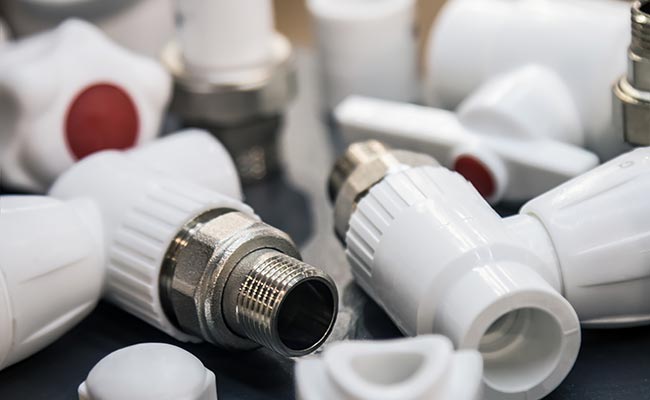
Optimizing fluid control is crucial for various industries, including agriculture, irrigation, and industrial applications. Recent insights from industry reports highlight the performance of polypropylene (PP) compression fittings and ball valves, emphasizing their competitive pricing and remarkable durability. These products are designed to withstand high temperatures and offer significant impact resistance, ensuring long-lasting reliability in demanding environments.
Another key factor in the adoption of these fittings and valves is their ease of installation, which translates into lower construction costs. The straightforward installation process allows for efficient project completion, making them an attractive choice for contractors and end-users alike. Furthermore, these products are compliant with DIN standards, ensuring not only quality but also environmental sustainability. Being recyclable and environmentally friendly aligns with the growing demand for responsible manufacturing practices.
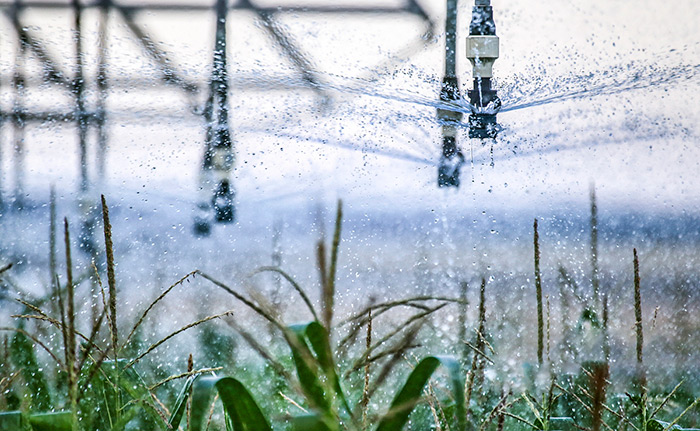
The versatile applications of these components extend to various sectors, from agricultural irrigation systems to industrial fluid transport and even swimming pools. This wide range of usability demonstrates the adaptability of PP compression fittings and ball valves, making them essential tools in the optimization of fluid control across multiple industries.

FAQS
: You will need a socket set, a ratchet wrench, pliers, and potentially a vacuum gauge for testing the PCV system after installation.
Using the right tools can reduce installation time and increase efficiency, potentially enhancing performance by up to 20% during engine service tasks.
The PCV valve is generally found on or near the engine cover and connected to the intake manifold.
Inspect the hoses for any cracks or wear; it's advisable to replace aged hoses simultaneously to prevent future issues.
Clean the area where the PCV valve fits to remove any debris or carbon buildup to ensure a better seal for the new valve.
Lubricating the O-ring with engine oil helps to ensure a secure seal and easier installation of the new valve.
Start the engine and check for any leaks or irregular sounds, as these may indicate improper installation.
A well-maintained PCV system can improve engine performance, fuel efficiency, and reduce emissions by up to 30%.
Yes, keeping a clean workspace prevents dirt from entering the engine and ensures a better installation process.
Over-tightening can lead to cracks and damage to components, which may cause leaks and affect engine performance.
Conclusion
The article "How to Install a PCV Valve Fitting for Optimal Engine Performance in 2025" provides a comprehensive guide to understanding the essential role of the PCV valve in engine efficiency. It begins by explaining the purpose of the PCV valve in regulating vehicle emissions and enhancing performance. The article emphasizes the importance of selecting the correct PCV valve fitting for your specific vehicle model, as well as gathering all necessary tools for a successful installation.
A detailed, step-by-step process for removing the old PCV valve and properly installing the new one is presented, ensuring that readers can follow along easily. After installation, testing the setup for optimal engine function is critical, as is the ongoing maintenance of the PCV system to ensure long-term performance. This article serves as a valuable resource for vehicle owners looking to improve their engine's functionality through the proper installation of a PCV valve fitting.
Related Posts
-

Understanding the Importance of Pcv Valve Fitting in Your Vehicle's Engine Performance
-

Understanding PCV Valve Fittings: Essential Insights for Optimal Engine Performance
-
7 Essential Tips for Sourcing Upvc Pipes: What Every Global Buyer Needs to Know
-

How to Choose the Best Upvc Ball Valve Machine for Your Manufacturing Needs
-

Exploring U Pvc Coupling Innovations at the 138th Canton Fair in 2025
-

Top 5 PVC T Valves: Enhance Your Plumbing System with Durable Solutions

Ethan
Application

Underground pipeline
Irrigation System
Water Supply System
