0%

A PVC air valve might not be the sexiest component out there, but trust me, it's actually pretty important in a bunch of different systems. Basically, it helps control how air flows and keeps the pressure in check. These valves are made from durable polyvinyl chloride — so, yeah, they’re built to last. No surprises there.

So, how does a PVC air valve actually work? Well, it’s got this little mechanism inside that opens or closes depending on the pressure situation. When too much air starts to build up, the valve opens up to let some of that excess air escape, preventing any damage or system failures. Manufacturers like PVC Systems Inc. always stress just how crucial these valves are for keeping everything running smoothly and efficiently.

Now, here’s where it gets tricky — some folks might not fully understand how to install or maintain these valves properly. If you don’t do it right, you risk leaks or just not getting the right performance out of them. So yeah, it’s definitely worth paying attention to those details when you’re working with PVC air valves. Otherwise, you might find yourself frustrated with issues that could’ve been easily avoided.

What Is a Pvc Air Valve and How Does It Work?

What Is a PVC Air Valve?

A PVC air valve is a device used in various fluid systems. Its primary purpose is to manage air and gases in pipes or tanks. Typically made from durable PVC material, these valves resist corrosion and high pressure. They are essential in maintaining pressure balance, allowing air to enter or exit a system as needed.

When the fluid level in a tank rises, the valve opens to let air escape. This prevents pressure buildup, which can cause system failure. Conversely, when the fluid level lowers, the valve closes to keep air from entering too quickly. This ensures that the flow remains steady and controlled.

In some cases, these valves may not function as intended. Issues can arise from wear and tear or incorrect installation. Proper maintenance is crucial for their effectiveness. Regular checks can help identify problems early, ensuring smooth operation and preventing costly repairs.

Understanding the role of a PVC air valve can lead to better system design and efficiency.

Components of a PVC Air Valve

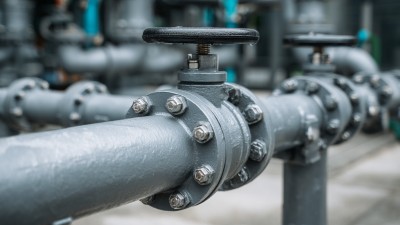
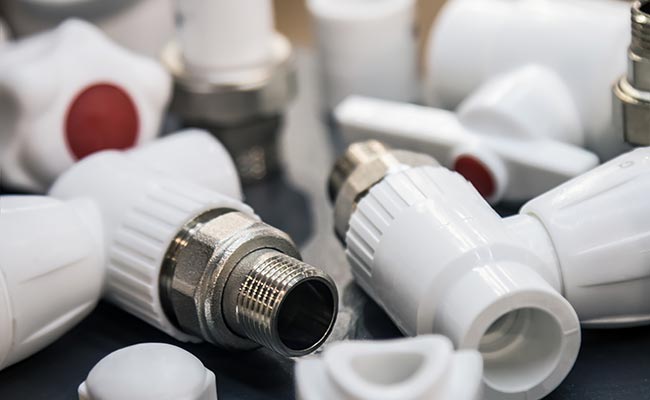
A PVC air valve is essential for maintaining air pressure in piping systems. Its components work together to control air flow and prevent liquids from entering the system. Several parts make up the air valve: the body, the float, the cover, and the vent. The body holds the valve mechanism. The float moves with changes in air pressure. The cover protects the internal components, while the vent allows air to escape.

Proper installation is crucial. Any misalignment can lead to malfunction. Make sure the valve is level with the piping. A tilted valve may not operate correctly. Keep an eye on the float. If it gets stuck, the air valve won't function. Regular maintenance can prevent issues. Inspect for debris and dirt. Clean the vent regularly to ensure proper operation.

Tips: Always use quality PVC materials for durability. Consider the valve size carefully. An inappropriate size can lead to inefficiencies. Remember, attention to detail is key. Small oversights can result in bigger problems down the line.

PVC Air Valve - Performance Metrics

How PVC Air Valves Function

PVC air valves are essential components in various piping systems. They help regulate air flow and pressure, preventing issues like air locks. When installed correctly, these valves enhance system efficiency. Understanding their function is crucial for effective use.

How do PVC air valves work? Essentially, they allow air to escape from the system when pressure builds up. This prevents damage due to excess air pressure. When the pressure decreases, the valve closes, maintaining system balance. The design typically includes a float mechanism or a weighted closure. This ensures that air can exit but not enter the system when it’s under pressure.

Tips for installation include ensuring proper alignment. Misalignment can cause leaks or malfunctions. Regular maintenance is also important. Check for debris that may block the valve. A clean valve functions better and saves energy over time. Consider the environment where it is installed. Extreme temperatures can affect performance. A slight oversight could lead to reduced efficiency and costs.

Applications of PVC Air Valves

What Is a Pvc Air Valve and How Does It Work?

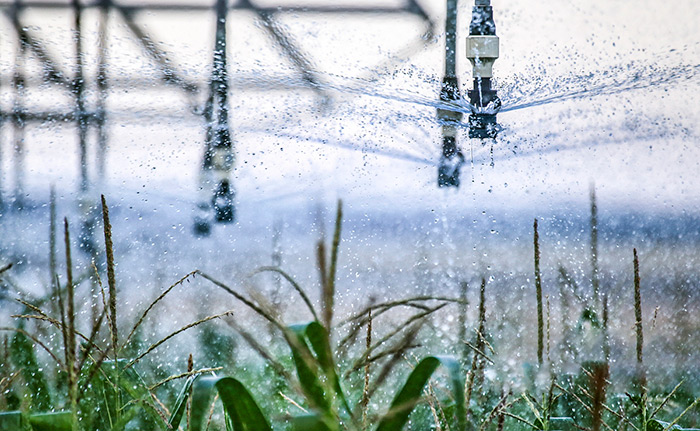
PVC air valves are versatile components used in various applications. They help manage air flow in systems like irrigation, drainage, and ventilation. One common application is in irrigation systems. Here, they prevent air locks while allowing excess air to escape. This ensures the efficient flow of water through pipes.

In drainage systems, PVC air valves play a crucial role. They help maintain proper pressure during drainage. This reduces the risk of backflow. The presence of these valves can significantly enhance system reliability. Surprisingly, some installations may overlook their importance, leading to failures. Regular inspection and maintenance are essential for optimal performance.

These valves are also found in HVAC systems. They assist in balancing air pressure. Proper installation can help achieve desired temperature settings. However, inadequate placement might create issues like noise or inefficiency. Each application requires careful consideration of valve size and placement. Understanding these factors can lead to improved system functionality.

Benefits of Using PVC Air Valves

PVC air valves play a significant role in various industrial applications. They are designed to control airflow in piping systems. The benefits of using these valves are notable. For instance, they help maintain pressure and reduce water hammer effects. According to industry data, improper ventilation can lead to energy losses of up to 30% in pneumatic systems. By using PVC air valves, facilities can optimize air management and enhance overall efficiency.

In addition, PVC air valves are lightweight and resistant to corrosion. This makes them an ideal choice for many environments. A study from a leading engineering firm indicates that switching to PVC components can reduce maintenance costs by 25%. This significant reduction supports why many organizations are transitioning to PVC solutions.

However, there are challenges. Not all PVC materials are suited for high-temperature applications. Engineers must carefully select the right type of PVC for their needs. This could lead to potential issues if not addressed properly. Understanding the limitations of PVC air valves is essential for maximizing their benefits. Proper installation and regular maintenance are key in preventing mishaps.

What Is a Pvc Air Valve and How Does It Work? - Benefits of Using PVC Air Valves

Feature Description Benefits
Material PVC (Polyvinyl Chloride) Corrosion resistance and lightweight.
Working Principle Operates through differential pressure to allow air to escape or enter. Prevents air locks, maintaining system efficiency.
Types Automatic and manual PVC air valves. Flexibility for different applications.
Applications Used in water and wastewater management systems. Improves system reliability and efficiency.
Cost-Effectiveness Generally lower cost compared to metal valves. Reduces installation and maintenance expenses.

Maintenance and Care for PVC Air Valves

What Is a Pvc Air Valve and How Does It Work?

Maintaining PVC air valves is crucial for their efficiency. Regular inspection helps catch issues early. Look for signs of wear or damage. Check the seals and ensure they are intact. This simple step can prevent air leaks and prolong the valve's life.

Cleaning is another important aspect. Debris or dirt can accumulate over time. Use a soft brush or a cloth to clean the exterior. Avoid using harsh chemicals that could damage the material. A gentle approach often works best. Ensure that the air pathway is clear as well.

Lubricate moving parts occasionally. This helps reduce friction and ensures smooth operation. Use a silicone-based lubricant to avoid any degradation of the PVC. Keep notes about your maintenance routine. Sometimes, what seems minor can lead to bigger problems later. Regular care is essential for optimal performance.

Common Issues and Troubleshooting PVC Air Valves

PVC air valves play a critical role in various applications, from irrigation systems to industrial processes. However, they are not without issues. Common problems include clogging, leaks, and faulty seals. According to industry reports, nearly 30% of air valve failures stem from dirt and debris accumulation. This can cause inefficiencies in the system.

When troubleshooting, it's essential to inspect the valve regularly. Signs of failure often include unusual noises or reduced airflow. A simple check can unveil dirt blocking the valve. Cleaning the valve will often restore its function. However, a persistent issue might indicate a need for replacement.

In some cases, installation errors can lead to significant problems. Improper sealing can cause leaks, wasting resources. It's crucial to ensure that valves are installed correctly to prevent such issues. A thorough review of installation practices can help reduce failure rates, which are sometimes reported at over 20% in poorly managed systems. Maintaining these valves is a proactive approach to ensuring system reliability.

Market Analysis and Performance Insights on PVC Compact Ball Valves: A Focused Review for Thailand's Industrial Applications

The market for PVC compact ball valves in Thailand represents a significant opportunity for various industrial applications, particularly in agriculture, mariculture, and engineering construction. These valves offer reliable performance in a range of temperatures, making them suitable for diverse operational environments. With the ability to handle high, medium, low, and normal temperature media, they are essential for irrigation systems, swimming pools, and more demanding engineering projects.

One of the standout features of these valves is their exceptional durability, boasting a product life exceeding 500,000 cycles. This high performance translates into reduced maintenance costs and increased efficiency for users, making them a preferred choice in industrial settings. Furthermore, the availability of various colors allows for customization, helping integrate the valves aesthetically into different projects while fulfilling their functional specifications. As the demand for efficient and long-lasting components continues to grow in Thailand's industrial sector, PVC compact ball valves emerge as a versatile solution that meets both performance and longevity requirements.

FAQS

: What is the main topic of the article?

: The article discusses various aspects of personal development.

How can I improve my productivity?

Set clear goals. Create a daily schedule. Eliminate distractions around you.

Are there techniques to enhance creativity?

Yes, try brainstorming sessions. Engage in new experiences. Take walks outdoors often.

What role does mindset play in personal growth?

A positive mindset fosters resilience. Negative thoughts can hold you back.

Can failure be beneficial?

Absolutely. Failure provides valuable lessons. It helps in adjusting strategies.

How often should I reflect on my progress?

Regular reflection is key, ideally weekly. This helps identify areas for improvement.

Is it important to seek feedback?

Yes, feedback offers insights. It can highlight blind spots in your approach.

What is the value of setting deadlines?

Deadlines create urgency. They motivate you to take action and maintain focus.

Should I celebrate small wins?

Yes, recognizing small achievements boosts motivation. It helps maintain momentum.

How do I overcome procrastination?

Break tasks into smaller steps. Use a timer to stay accountable.

Conclusion

A PVC air valve is a crucial component in various piping systems, designed to manage air within the system for optimal performance. Comprised of several key components, including a valve body, float mechanism, and outlet, the PVC air valve functions to release trapped air, preventing issues such as water hammer and enhancing efficiency in fluid flow.

These valves find applications in water supply systems, irrigation, and industrial processes, offering many benefits such as corrosion resistance, lightweight design, and ease of maintenance. Proper care is essential to ensure longevity, while common troubleshooting tips can address issues like clogging or valve failure. Overall, understanding the PVC air valve's operation and maintenance is vital for anyone involved in system management.

Lila

Lila

Lila is a dedicated marketing professional at Ningbo Pntek Technology Co., Ltd., a leading supplier of plastic pipes, fittings, and valves with over a decade of exporting experience. With an in-depth understanding of the industry, Lila showcases not only her expertise but also the company's core......
Previous How to Choose the Right 1 Inch PVC Valves for Your Plumbing Needs

Application

Underground pipeline

Underground pipeline

Irrigation System
Irrigation System

Water Supply System

Water Supply System

Equipment supplies

Equipment supplies